






What's Happening?
Meta is currently testing a new standalone messaging application called 'Direct,' designed to house Instagram's direct messages. The app has initially launched in Turkey and Thailand, allowing users to access Instagram's messaging features independently.
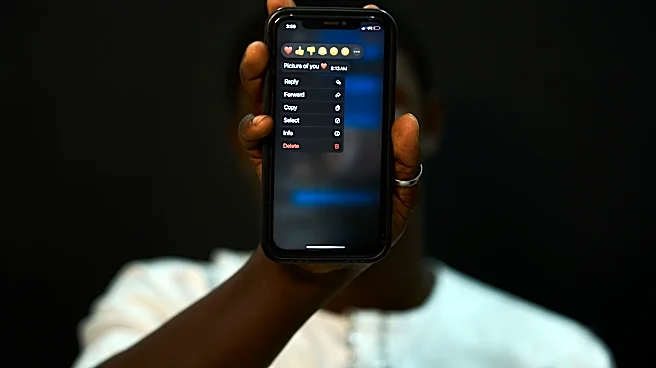
Users can sign up for Direct using their email or phone number, or log in with their existing Instagram credentials, which will sync their conversations across both platforms. This initiative aims to cater to users who primarily use Instagram for messaging but wish to avoid the broader social media platform. Direct offers standard messaging functionalities such as reactions, voice notes, and emojis, alongside unique features like a 'Draw' tool for in-chat doodling and 'Notes' for short status updates. Users can also create custom stickers, add audio effects, and personalize chat backgrounds. Meta has implemented safety measures, including age-estimation technology to prevent inappropriate interactions with young users and parental supervision tools to monitor teen messaging activity and set usage limits. The company has not yet announced plans for a wider international rollout.
Why It's Important?
The introduction of 'Direct' by Meta signifies a strategic move to retain and re-engage users within its ecosystem, particularly those who might be disengaging from the main Instagram app due to its broader content. By offering a dedicated messaging experience, Meta aims to solidify its position in the competitive messaging app market and prevent users from migrating to alternative platforms for their communication needs. This could have significant implications for user engagement metrics and advertising revenue, as a more focused messaging app might encourage more frequent and intimate interactions. For U.S. users, while not yet available, the potential future launch of 'Direct' could alter how they interact with Instagram, possibly leading to a bifurcation of their social media and messaging habits. It also highlights Meta's ongoing efforts to segment its services to cater to diverse user preferences, potentially influencing how other tech companies approach their multi-functional platforms.
What's Next?
Meta's next steps will likely involve evaluating the performance and user feedback from the initial rollout of 'Direct' in Turkey and Thailand. The company will analyze user adoption rates, engagement levels, and the effectiveness of its safety features. Based on these insights, Meta will decide whether to expand the app's availability to additional countries, including the United States. A successful pilot could lead to a global launch, potentially reshaping the landscape of mobile messaging. Further development might include integrating more advanced features or refining existing ones based on user suggestions. The company will also need to address any privacy concerns that may arise from a standalone messaging app, especially given its history with data handling. The long-term success of 'Direct' will depend on its ability to offer a compelling and secure messaging experience that differentiates it from other popular messaging applications.
Beyond the Headlines
The launch of 'Direct' reflects a broader trend in the tech industry where large platforms are disaggregating their services to cater to specific user needs and combat 'super app' fatigue. This strategy could lead to a more fragmented digital experience, where users engage with multiple specialized apps from the same company rather than a single, all-encompassing platform. Ethically, the emphasis on safety features for young users, including age-estimation technology and parental controls, underscores the increasing scrutiny on tech companies to protect minors online. This move could set a precedent for other social media and messaging platforms to enhance their safeguarding measures. Culturally, a dedicated messaging app might foster more private and intimate communication, potentially shifting social interaction patterns away from public feeds towards more closed-group conversations. This could influence how digital communities form and interact, emphasizing direct connections over broad broadcasting.