







What's Happening?
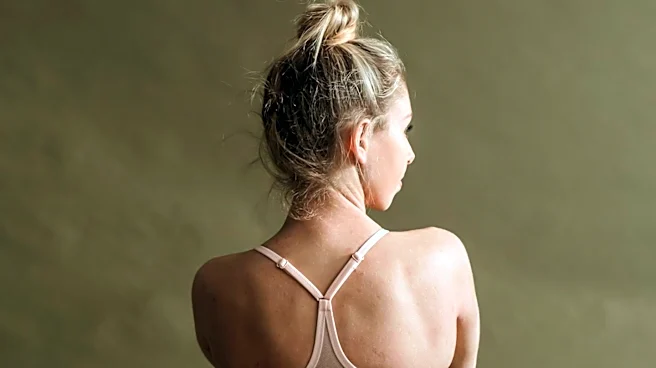
Prairie Wear, a women-owned company, has launched a line of compression bras specifically designed for post-surgical recovery, movement, and everyday wear. These 'Hugger' compression bras are wire-free, seamless, and front-closing, made with skin-safe,
OEKO-TEX certified fabric. The development of these garments involved collaboration with performance professionals and medical experts, and they were wear-tested by women undergoing recovery. Dr. Michele Ley, MD, FACS, a board-certified surgical oncologist and breast cancer survivor, highlighted the personal and clinical importance of effective post-surgical support. She emphasized that her own recovery experience, which was unexpectedly challenging, underscored the need for such specialized garments. The company aims to provide comfort and support through real-life challenges, particularly for individuals navigating post-operative healing and lymphedema management. The brand's mission is rooted in supporting individuals through various stages of recovery, ensuring they feel safe and confident.
Why It's Important?
This initiative is significant for the healthcare and apparel industries, particularly in the segment of post-operative care. The focus on science-backed design and medical expert collaboration elevates the standard for compression wear, moving beyond generic products to offer specialized solutions. For patients, especially those recovering from breast cancer surgery, access to comfortable and effective compression bras can significantly improve their daily experience and potentially aid in a smoother recovery process. Dr. Ley's personal endorsement as both a surgeon and a survivor adds credibility and a patient-centric perspective to the product. The emphasis on skin-safe materials and thoughtful design addresses common frustrations with existing post-operative garments, which often lack comfort and proper support. This development could lead to improved patient outcomes, reduced discomfort, and enhanced quality of life during a vulnerable recovery period, setting a new benchmark for supportive medical apparel.
What's Next?
Prairie Wear is expected to continue expanding its reach and product offerings, potentially introducing more specialized compression garments for various post-surgical needs or other medical conditions. The company's commitment to community building, as highlighted by certified personal trainer and breast cancer survivor Diana Gregoriades, suggests a future focus on fostering support networks for women in recovery. There may be increased partnerships with medical professionals and healthcare facilities to integrate these specialized bras into standard post-operative care protocols. The brand's emphasis on comfort and science-backed design could also influence other apparel companies to invest more in research and development for medical-grade clothing. Consumers can anticipate more accessible information and resources from Prairie Wear regarding post-surgical recovery and the benefits of appropriate compression wear, further empowering individuals to make informed choices for their health and well-being.
Beyond the Headlines
The introduction of Prairie Wear's compression bras touches upon deeper societal and ethical considerations within the healthcare and fashion industries. It highlights a growing recognition of the importance of patient comfort and dignity in recovery, moving beyond purely functional medical devices to incorporate elements of thoughtful design and personal well-being. The involvement of a breast cancer survivor and surgeon in the product's development underscores the value of lived experience in creating effective solutions, challenging the traditional top-down approach to medical product design. This trend could lead to a broader shift in how medical apparel is conceived and marketed, emphasizing empathy, empowerment, and holistic recovery. Furthermore, the focus on skin-safe and OEKO-TEX certified fabrics reflects an increasing consumer demand for transparency and ethical sourcing in all products, including those related to health. This initiative could inspire other companies to prioritize patient-centric design and ethical manufacturing in specialized apparel markets.