





What's Happening?
Luxury travel companies are increasingly focusing on small group tours, typically capped at under 15 travelers, for destinations like Central Asia's 'Five Stans' (Kazakhstan, Kyrgyzstan, Uzbekistan, Tajikistan, and Turkmenistan). These tours prioritize
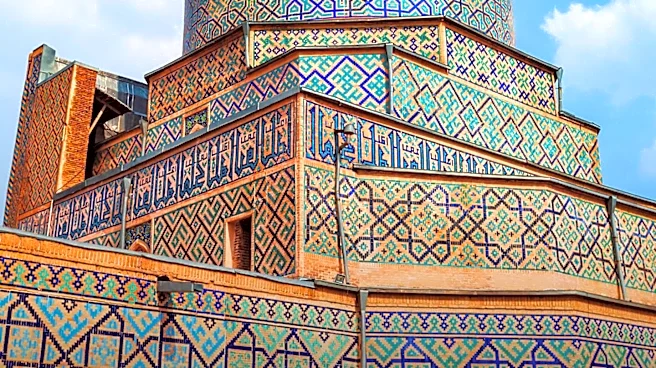
personalized attention from guides and a more relaxed pace at each location. A key advantage highlighted is the comprehensive management of complex logistics, including transportation between countries, border crossings, and internal flights, which are often challenging for independent travelers in the region. For instance, Uzbekistan now offers visa-free entry for U.S. citizens for up to 30 days, aligning with Kazakhstan and Kyrgyzstan, simplifying travel between these nations. However, Turkmenistan still requires a Letter of Invitation through a licensed local tour operator, a process that can take several weeks. Tour operators also emphasize selecting four- and five-star accommodations in central locations, often in restored historic buildings, to enhance the luxury experience.
Why It's Important?
This trend is significant for U.S. travelers seeking immersive and comfortable experiences in less-traveled regions. The emphasis on small group sizes directly addresses a common desire for more intimate travel, avoiding the rushed feeling of larger coach tours. By handling intricate logistics like visa requirements and border procedures, these tours remove significant barriers that might deter Americans from exploring Central Asia independently. This approach allows travelers to focus on cultural immersion and sightseeing rather than administrative burdens. The inclusion of high-quality accommodations and a well-paced itinerary ensures a premium experience, catering to a segment of the U.S. travel market that values comfort and efficiency. This model also supports local economies by channeling tourism through established operators who work with local guides and service providers.
What's Next?
As interest in unique and off-the-beaten-path destinations grows among U.S. travelers, more tour operators are likely to adopt similar small-group, all-inclusive models for complex regions. Travelers can expect continued refinement in itinerary planning, with an increased focus on authentic cultural experiences and personalized service. The simplification of visa processes in some Central Asian countries may lead to a further increase in tourism from the U.S., prompting tour companies to expand their offerings and potentially introduce more specialized itineraries. Operators will likely continue to highlight their on-the-ground expertise and ability to navigate regional specificities, such as varying road qualities and border protocols, as key selling points for discerning travelers.
Beyond the Headlines
The shift towards highly curated, small-group luxury tours reflects a broader evolution in the travel industry, where experiential travel is gaining precedence over traditional sightseeing. For U.S. travelers, this means a deeper engagement with local cultures and environments, fostering a more nuanced understanding of global diversity. The meticulous planning involved in these tours also raises questions about the balance between authentic exploration and curated experiences, and how much of the 'adventure' is managed away. Furthermore, the focus on comfort and seamless logistics in regions like Central Asia could inadvertently shape traveler expectations for other complex destinations, potentially influencing how future international travel is designed and marketed. This trend also underscores the growing demand for specialized knowledge and local partnerships in delivering high-quality, hassle-free international travel experiences.