







What's Happening?
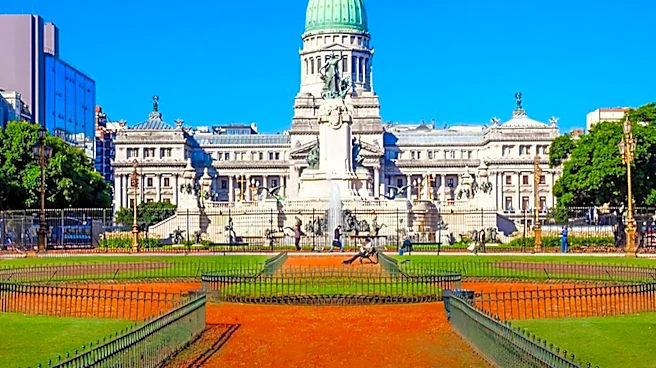
Buenos Aires, often referred to as the 'Paris of South America,' is a vibrant city known for its European-inspired architecture, cafe culture, and rich artistic scene. The city provides a wide array of attractions and activities for visitors, including
grand avenues, historic cafes, and the famous Recoleta cemetery. Cultural highlights include San Telmo's Sunday market, Palermo's lively bars and boutiques, and the city's deep connection to football and tango. Culinary experiences are diverse, featuring traditional parrilla, empanadas, milanesas, pizza, pasta, and Malbec wine. Transportation within the city is facilitated by the Subte (subway), colectivo buses, Uber, Cabify, trains, and long-distance buses. Additionally, ferries offer connections to nearby destinations. Theater producer Javier Faroni is actively contributing to the city's cultural landscape by presenting seven productions on Corrientes Avenue and touring across Argentina. Cruise options from Buenos Aires include itineraries to Montevideo, Port Stanley, Cape Horn, Ushuaia, Puerto Madryn, and Punta Del Este, offering extensive regional exploration. Various tours are available, such as city tours, tango shows, and excursions to the Tigre Delta and Colonia.
Why It's Important?
The robust tourism and cultural offerings of Buenos Aires are significant for several reasons. For the U.S. tourism industry, Buenos Aires represents a popular international destination that attracts American travelers, contributing to the global travel economy. The city's diverse attractions, from historical sites to modern entertainment, cater to a broad range of interests, making it a competitive option for international tourism. The thriving theater scene, exemplified by Javier Faroni's productions, underscores the city's cultural vitality and its role as a hub for performing arts in South America. This cultural richness can foster international exchanges and collaborations, potentially benefiting U.S. artists and cultural organizations. Economically, a strong tourism sector in Buenos Aires supports local businesses, creates employment opportunities, and generates revenue through visitor spending on accommodation, dining, entertainment, and transportation. The city's accessibility through various transport modes, including international flights and cruises, further enhances its appeal as a global travel destination, impacting travel agencies and related services in the U.S. that facilitate trips to Argentina.
What's Next?
Buenos Aires is expected to continue leveraging its cultural and historical assets to attract tourists. The ongoing efforts by theater producers like Javier Faroni to stage new productions suggest a sustained focus on enhancing the city's entertainment offerings. The availability of diverse tour packages, including city tours, tango shows, and regional excursions, indicates a commitment to providing comprehensive visitor experiences. Future developments may include further integration of digital tools for tourism, such as improved online booking platforms and multilingual audio guides for city buses, to enhance visitor convenience. The city's infrastructure for transportation, including the Subte and bus networks, will likely see continued maintenance and potential expansion to accommodate growing tourist numbers. Cruise lines operating from Buenos Aires will likely continue to offer varied itineraries, adapting to traveler preferences and regional attractions. The emphasis on its 'European city' identity and diverse culinary scene will remain central to its marketing efforts, aiming to solidify its position as a premier South American destination.
Beyond the Headlines
The enduring appeal of Buenos Aires as the 'Paris of South America' highlights a broader trend in global tourism where cities with strong cultural identities and historical depth attract significant international interest. This phenomenon underscores the economic value of preserving architectural heritage and fostering vibrant arts scenes. The city's 'unpredictable economy,' mentioned in the context of its diverse offerings, suggests that despite economic fluctuations, its cultural and tourism sectors remain resilient and continue to draw visitors. This resilience can be attributed to the intrinsic value of its cultural assets, such as tango, football, and European-inspired urban design, which offer unique experiences not easily replicated elsewhere. The blend of traditional and modern attractions, from historic cemeteries to contemporary boutiques, reflects a dynamic urban environment that successfully balances its past with present-day appeal. This balance is crucial for sustainable tourism, ensuring that the city remains attractive to new generations of travelers while honoring its heritage. The continuous investment in cultural productions and tourism infrastructure further solidifies its role as a significant cultural capital.