



What's Happening?
Slow travel is gaining traction as a preferred method for exploring destinations, shifting the focus from rapidly visiting numerous tourist attractions to deeply experiencing a place. This approach prioritizes authentic interactions, engagement with natural
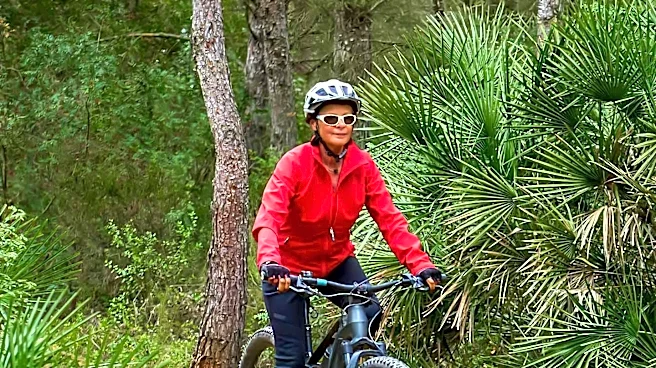
environments, and local community immersion. It encourages travelers to embrace a more relaxed pace, allowing for spontaneous discoveries like long city walks, exploring local parks, or enjoying coffee shops. The core idea is to value the experience of being in a location over adhering to a rigid itinerary of must-see sights. While not precluding visits to popular tourist spots, slow travel advocates for buffering these experiences with more natural and laid-back activities, fostering a deeper connection with the destination. This method often involves staying longer in one place, choosing rental homes for a more integrated living experience, and allowing for downtime to simply exist within the new environment.
Why It's Important?
The rise of slow travel signifies a notable shift in consumer preferences within the tourism industry, moving away from fast-paced, checklist-driven vacations towards more meaningful and sustainable engagement. This trend could influence how travel companies package and market their offerings, potentially leading to an increase in demand for longer stays, local experiences, and accommodations that foster a sense of 'home away from home,' such as vacation rentals. For local economies, slow travel can be beneficial as it encourages deeper spending within communities, supporting local businesses, markets, and services rather than just major tourist attractions. It also promotes a more sustainable form of tourism by reducing the pressure of overtourism on popular sites and encouraging visitors to explore less-trafficked areas. This shift could lead to a re-evaluation of what constitutes a 'successful' trip, emphasizing quality of experience over quantity of sights seen.
What's Next?
As slow travel gains momentum, the tourism industry may adapt by offering more flexible itineraries, promoting extended stays, and developing partnerships with local businesses to provide authentic experiences. We might see an increase in specialized travel agencies focusing on immersive cultural tours, homestays, and eco-tourism. Destinations themselves could begin to market their unique local cultures and natural landscapes more prominently, rather than solely focusing on iconic landmarks. Travelers may increasingly seek out resources and platforms that facilitate longer-term rentals and community-based activities. This trend could also influence urban planning in popular tourist cities, prompting initiatives to better integrate visitors into local life and manage tourist flows more sustainably. The emphasis on authenticity and local connection could also drive innovation in travel technology, with apps and platforms designed to help travelers discover hidden gems and connect with local communities.
Beyond the Headlines
The slow travel movement reflects a broader societal shift towards mindfulness and intentional living, extending beyond just vacation choices. It challenges the consumerist notion of 'collecting' experiences and instead promotes a deeper, more reflective engagement with the world. Ethically, it encourages a more respectful form of tourism that values local cultures and environments, potentially mitigating some negative impacts of mass tourism like cultural commodification and environmental degradation. Legally, this could lead to increased regulations or incentives for sustainable tourism practices and support for local economies. Culturally, it fosters a greater appreciation for diversity and the nuances of different ways of life, as travelers spend more time observing and participating in daily local routines. This approach could also have long-term psychological benefits for travelers, reducing stress associated with rushed itineraries and fostering a greater sense of connection and well-being from their journeys.