



What's Happening?
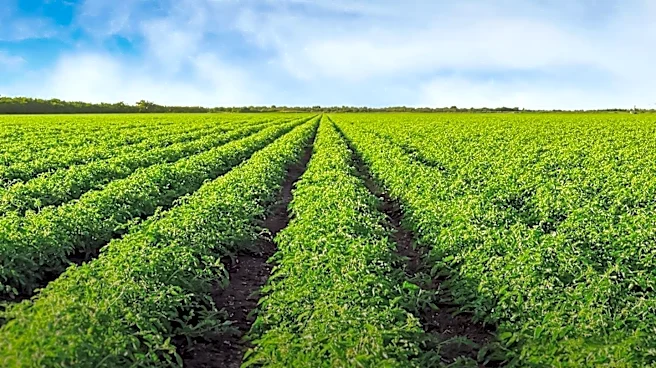
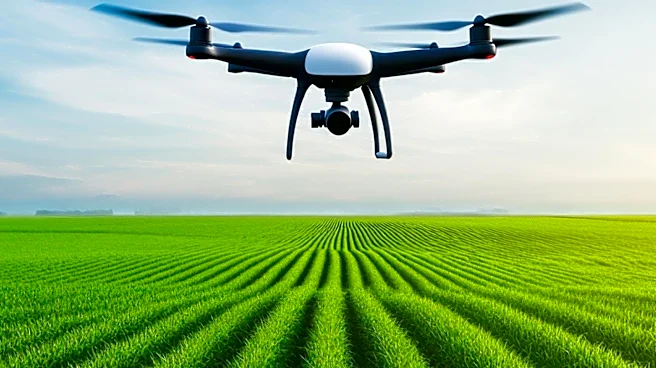
The agricultural equipment sector is undergoing a significant transformation with the rise of autonomous farm implements. Farmers are increasingly adopting these advanced tools to enhance field accuracy, minimize input waste, and address labor shortages.
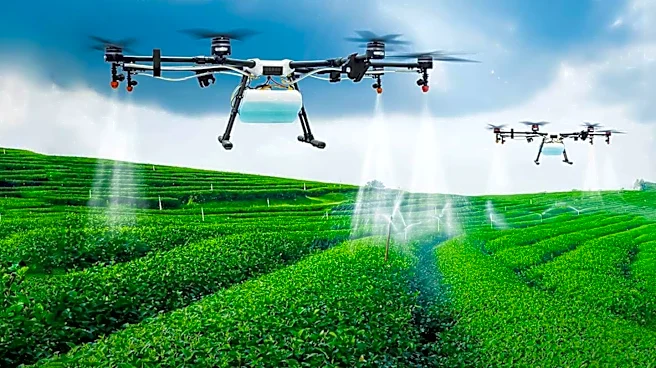
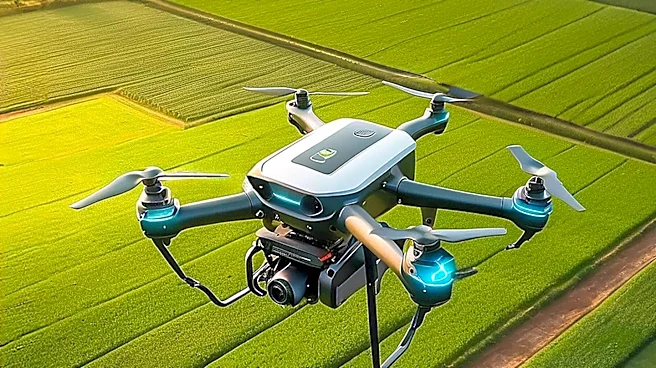
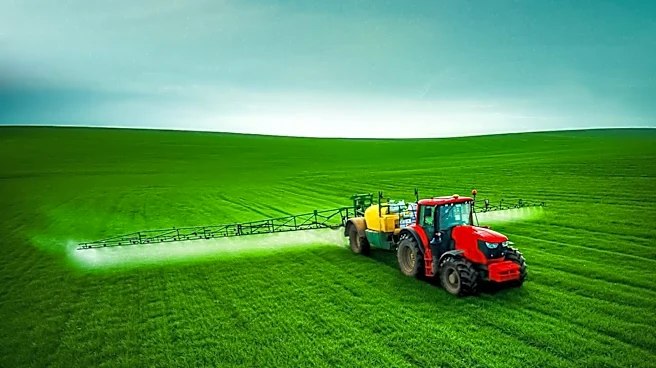
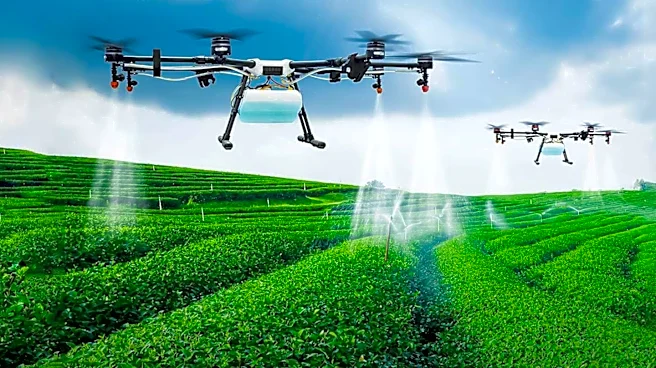
This shift is particularly evident in operations such as spraying, planting, tillage, and weeding, where small improvements in precision can substantially boost farm productivity. The integration of sensors, IoT, GPS, automation, and ISOBUS technology is enabling implements to communicate with tractors and adjust operations like seed placement, spraying, and tillage depth with greater accuracy. Modern precision spraying systems, for instance, use sensors and automated boom-height control to ensure consistent application, while robotic weeders employ cameras and navigation systems for precise weed removal, reducing reliance on manual labor and chemical use. Smart planting equipment is also becoming data-driven, using sensors to monitor and adjust seed placement and depth.
Why It's Important?
The adoption of autonomous farm implements is critical for the U.S. agricultural industry, which faces increasing pressure to improve efficiency, reduce environmental impact, and manage rising labor costs. These technologies offer a pathway to sustainable farming by optimizing resource use, such as water, fertilizers, and pesticides, leading to lower operational expenses and higher yields. The enhanced precision minimizes waste and runoff, contributing to environmental protection. Furthermore, by automating labor-intensive tasks, autonomous implements help mitigate the impact of agricultural labor shortages, ensuring that farming operations can continue efficiently. This technological advancement also positions U.S. agriculture at the forefront of global innovation, fostering competitiveness and resilience in the face of climate change and evolving market demands. The growth of this market, projected to reach $66.21 billion by 2032 globally, indicates a significant economic opportunity for manufacturers and technology providers.
What's Next?
The next phase of farm mechanization will focus on making implements more precise, connected, automated, and user-friendly, rather than simply larger or more powerful. Key developments to watch include the continued expansion of precision spraying, robotic weeding, automated planting, and self-propelled implements. ISOBUS connectivity will further standardize communication between tractors and implements from different manufacturers, simplifying operations for farmers. Electrification is also gaining momentum, with electric tillers and weeders offering benefits like reduced fuel consumption and lower emissions. As navigation, sensing, and machine-control technologies advance, more implements are expected to perform specialized field operations with minimal operator involvement. Major agricultural equipment manufacturers are increasingly investing in precision agriculture, connected equipment, and advanced automation, indicating a sustained trend towards smarter and more integrated farming solutions.
Beyond the Headlines
The shift towards autonomous farm implements signifies a broader technological revolution in agriculture, moving beyond mechanization to intelligent automation. This evolution raises important questions about the future of agricultural labor, requiring a workforce with new skills in technology operation and data analysis. It also highlights the increasing role of data in farming, transforming agricultural decisions from traditional knowledge to data-driven insights. The interoperability facilitated by standards like ISOBUS underscores the importance of open standards in complex technological ecosystems, promoting innovation and competition among manufacturers. Moreover, the environmental benefits of precision agriculture, such as reduced chemical use and optimized resource allocation, contribute to the long-term sustainability of food production, addressing global concerns about food security and ecological impact. This technological wave is not just about machines but about fundamentally redefining the relationship between farmers, land, and technology.