



What's Happening?
Resistance bands are gaining recognition as effective and versatile tools for strength and mobility training, offering an alternative to traditional weights. These bands come in various formats, including loops, tubes, and stretch cords, each designed
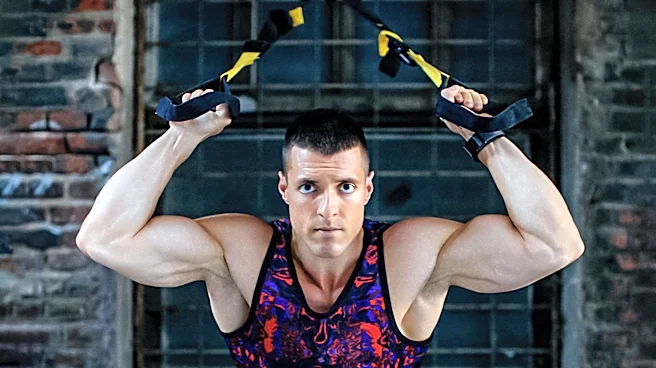
for specific types of exercises and resistance levels. Loop bands, which are flat, continuous rings, are often used for heavy work, pull-up assistance, and lower-body movements. Tube bands, characterized by hollow cords with handles, are suitable for full-body training, especially for handled presses and rows. Stretch cords are lighter, single-level tubes primarily used for toning, rehabilitation exercises, and dryland pulls for swimmers. Suspension straps, which do not stretch, utilize bodyweight for resistance. While resistance bands can effectively build strength comparable to machines and dumbbells, their limitations include a lower ceiling for maximum load and less precise loading compared to free weights. The choice of band type often depends on the specific exercise, desired resistance, and anchoring options available.
Why It's Important?
The increasing adoption of resistance bands has significant implications for the fitness industry and public health in the U.S. They provide an accessible and affordable alternative to gym memberships and heavy equipment, making strength training more feasible for individuals at home or while traveling. This accessibility can help address public health concerns related to sedentary lifestyles and lack of physical activity. For seniors, resistance bands offer a safe and effective way to maintain strength, improve balance, and support independent living, countering the misconception that strength training is only for younger individuals. The versatility of these bands also allows for targeted rehabilitation, aiding in recovery from injuries and improving overall mobility. Businesses in the fitness equipment sector are adapting by offering diverse ranges of resistance bands, catering to various fitness levels and specific training needs, thereby expanding market opportunities and promoting broader participation in strength training.
What's Next?
The trend of integrating resistance bands into diverse fitness routines is expected to continue, with manufacturers likely to innovate further in terms of materials, design, and resistance levels. We may see more specialized resistance band kits tailored for specific sports, rehabilitation programs, or demographic groups, such as seniors or beginners. Fitness professionals and physical therapists are likely to increasingly incorporate these tools into their prescribed exercise regimens, further validating their effectiveness. Educational resources, including online tutorials and guided workout programs, will probably expand to help users maximize the benefits of resistance bands and ensure proper technique to prevent injuries. Additionally, as awareness grows about the benefits of resistance training for all ages, the demand for portable and versatile fitness equipment like resistance bands is anticipated to rise, potentially leading to more competitive pricing and wider availability in retail markets.
Beyond the Headlines
Beyond their immediate utility in physical fitness, the widespread use of resistance bands reflects a broader cultural shift towards more flexible, personalized, and accessible approaches to health and wellness. This trend challenges traditional notions that effective strength training requires heavy, expensive gym equipment. The emphasis on bodyweight and adaptable resistance tools promotes a more inclusive fitness culture, where individuals can achieve significant health benefits regardless of their physical space or financial resources. Ethically, the affordability and portability of resistance bands can help democratize fitness, making it more attainable for underserved communities. This shift also highlights a growing consumer preference for products that support holistic well-being, combining physical activity with convenience and adaptability, ultimately fostering a more resilient and health-conscious society.