

What's Happening?
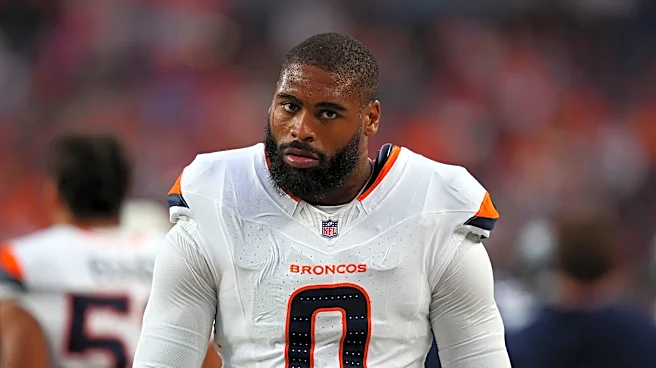
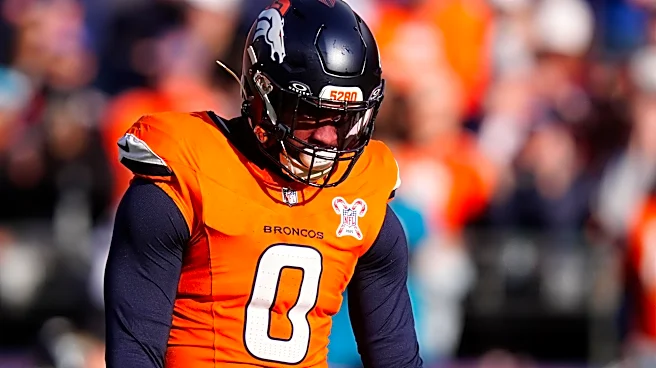
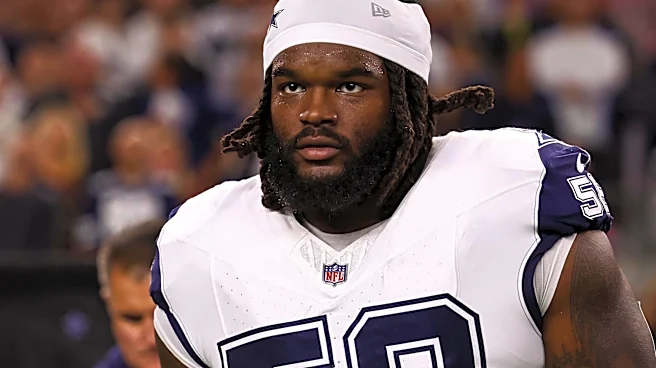
A federal judge has sent former Denver Broncos outside linebacker Randy Gregory's lawsuit against the NFL and his former team back to Colorado state court. Gregory is suing the NFL and the Broncos for fines totaling $532,500, which he believes were discriminatory.
These fines were levied against him for multiple positive THC tests in 2023 while he was with the Broncos. Gregory asserts that he was prescribed dronabinol for social anxiety disorder and post-traumatic stress, but the NFL twice denied his requests for permission to use the drug, which is banned by the league. The NFL had attempted to keep the case in federal court, but U.S. District Court Judge S. Kato Crews ordered it returned to Arapahoe County state court on June 26. Gregory is alleging violations of the Colorado Anti-Discrimination Act.
Why It's Important?
The decision to return the lawsuit to Colorado state court is a significant procedural win for Randy Gregory, as it allows his case to be heard under state laws, specifically the Colorado Anti-Discrimination Act. This could potentially offer a different legal landscape compared to federal court, where the NFL might have preferred to litigate. The lawsuit itself highlights ongoing tensions between professional sports leagues' drug policies and players' medical needs, particularly concerning substances like THC, which have varying legal statuses across states. The outcome of this case could set a precedent for how the NFL and other leagues handle player medical exemptions for banned substances, especially those prescribed for mental health conditions. It also brings into focus the balance between league-wide rules and individual player rights under state anti-discrimination laws.
What's Next?
With the lawsuit now back in Arapahoe County state court, the legal proceedings will continue under Colorado state jurisdiction. Both Randy Gregory's legal team and the NFL/Broncos will prepare for further litigation, which could involve discovery, motions, and potentially a trial. The case will likely delve deeper into the specifics of Gregory's medical condition, the NFL's drug policy, and whether the league's denial of his therapeutic use exemption constitutes discrimination under Colorado law. The outcome could influence future collective bargaining agreements between the NFL and the NFL Players Association regarding drug policies and player welfare. Stakeholders, including other players and player advocacy groups, will be closely watching the developments, as the ruling could impact how similar situations are handled across professional sports.
Beyond the Headlines
This lawsuit transcends a simple dispute over fines; it touches upon broader societal discussions regarding mental health, medical cannabis, and workplace discrimination. Gregory's claim that he was denied the use of a prescribed medication for social anxiety and PTSD brings to light the challenges athletes face in managing their health within the strict confines of league rules. The case could force a re-evaluation of the NFL's stance on therapeutic use exemptions for substances like dronabinol, especially as more states legalize cannabis for medical and recreational use. It also raises ethical questions about an employer's right to dictate medical treatments for employees, particularly when those treatments are legally prescribed. The long-term implications could lead to significant shifts in how professional sports leagues balance player health, performance, and regulatory compliance, potentially influencing policies across various industries.