









What's Happening?
As heat waves continue to affect the U.S. and other parts of the world, there is a growing need for products that help individuals stay cool and hydrated. A recent article highlights nine essential items designed to combat the summer heat effectively.
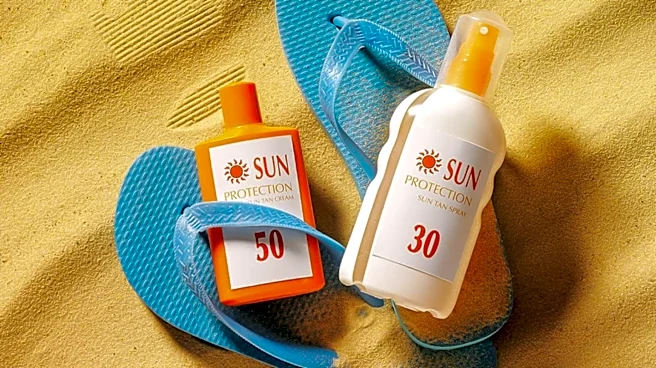
These include cooling towels, electrolyte powders, reusable water bottles, portable fans, sunscreen, countertop ice machines, cooling pillows, neck fans, and cold facial masks. Each product serves a specific purpose, from maintaining hydration and electrolyte balance to providing portable cooling solutions. The emphasis is on practical, everyday items that can be easily integrated into daily routines to mitigate the effects of high temperatures.
Why It's Important?
The increasing frequency and intensity of heat waves pose significant health risks, including dehydration, heat exhaustion, and heatstroke. These conditions can lead to severe health complications, particularly for vulnerable populations such as the elderly and those with pre-existing health conditions. The availability and use of cooling products can help reduce these risks by providing effective ways to manage body temperature and maintain hydration. This is crucial for public health, as it can prevent heat-related illnesses and reduce the burden on healthcare systems. Additionally, the demand for such products reflects a broader awareness and adaptation to changing climate conditions.
What's Next?
As climate change continues to influence weather patterns, the demand for cooling and hydration products is likely to grow. Manufacturers may respond by innovating and expanding their product lines to offer more efficient and sustainable solutions. Public health campaigns could also increase to educate the public on the importance of staying cool and hydrated during extreme heat events. Furthermore, urban planning and infrastructure development might incorporate more cooling centers and green spaces to provide relief from the heat.
Beyond the Headlines
The trend towards using cooling products highlights a shift in consumer behavior towards proactive health management in response to environmental changes. This could lead to increased investment in research and development of new materials and technologies that enhance the effectiveness of these products. Additionally, there may be ethical considerations regarding the accessibility and affordability of such products for low-income communities, prompting discussions on equitable distribution and support.