




What's Happening?
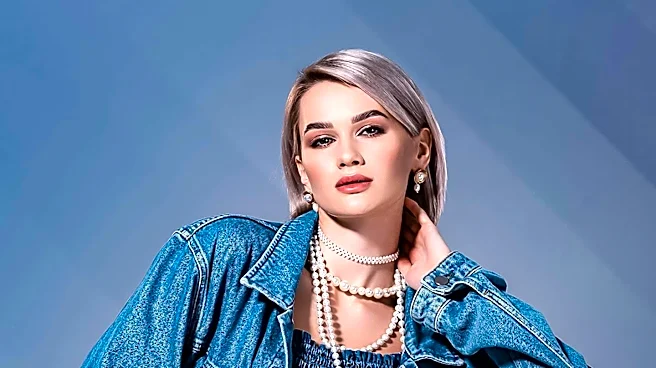
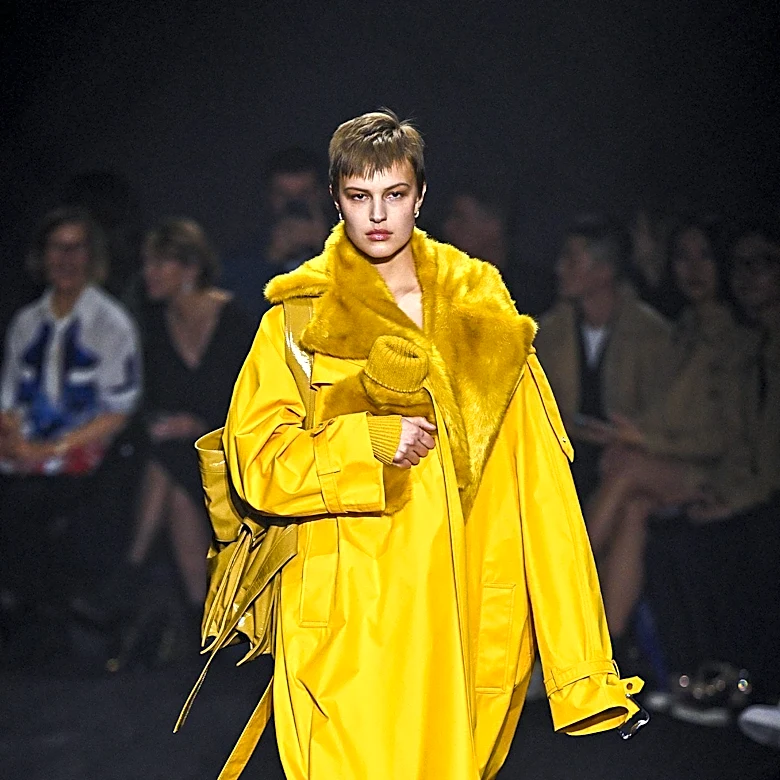
Fashion in 2027 is moving away from minimalist styles towards more expressive, decorative, and unexpected aesthetics. Key trends include elevated denim with new fits, colors, and embellishments; a focus on waist details through cinching, wrapping, and exaggerated
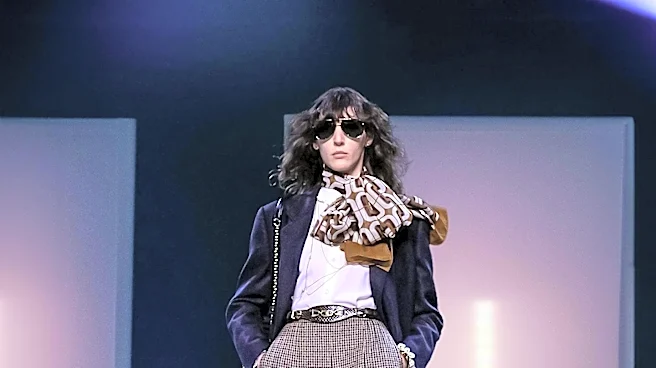
shaping; and the integration of daytime glamour with elements like silk, satin, and sequins into everyday outfits. Color and pattern play will feature bolder prints and unexpected combinations. Sporty staples will be softened with polished counterpoints, and proportions will be disrupted with styles like bloomer pants, capris, and drop waists, intentionally creating traditionally off-kilter silhouettes. Additionally, a 2010s revival is emerging, with Gen Z re-embracing mall brands and recognizable designer accessories.
Why It's Important?
These emerging fashion trends for 2027 signal a significant shift for the U.S. apparel industry and consumer market. The move towards expressive and disruptive styles will influence design, manufacturing, and retail strategies, requiring brands to innovate beyond minimalist aesthetics. The emphasis on comfort combined with glamour reflects evolving consumer desires for versatile clothing. The 2010s revival indicates the cyclical nature of fashion and the growing influence of Gen Z in dictating trends, impacting marketing efforts and product development for brands targeting younger demographics. This shift also presents opportunities for designers to experiment with unconventional silhouettes and material combinations, potentially leading to new market segments.
What's Next?
As these trends gain momentum, consumers can expect to see a wider array of expressive and unconventional fashion choices in stores. Retailers will likely adjust their inventories to feature elevated denim, waist-focused garments, glamorous daytime wear, bold patterns, and softened sporty pieces. The resurgence of 2010s styles will prompt brands to reintroduce or reinterpret popular items from that era. Designers will continue to explore disruptive proportions, pushing the boundaries of traditional silhouettes. This will also likely lead to increased demand for styling advice and content that helps consumers navigate these new, more complex fashion expressions.
Beyond the Headlines
The shift towards expressive and disruptive fashion in 2027 reflects deeper cultural currents, including a desire for individuality and a rejection of uniform aesthetics. The embrace of 'messy glamour' and 'off-kilter' proportions can be seen as a form of rebellion against perfectionism and a celebration of personal style. The 2010s revival, driven by Gen Z, highlights how younger generations reinterpret past trends, often with a fresh perspective that challenges previous perceptions of 'tacky' fashion. This evolution in style also raises questions about sustainability, as rapid trend cycles can contribute to fast fashion, but also offers opportunities for upcycling and creative reuse of garments.