









What's Happening?
The Mexico City Chamber of Commerce, Services and Tourism (Canaco CDMX) projects that the 2026 Mexico City Grand Prix will inject MXN 22.228 billion (approximately US$1.205 billion) into the local economy. This estimate represents a 6.5% increase over
the 2025 projection of MXN 20.892 billion (about US$1.13 billion). The race is scheduled for Sunday, November 1, 2026, at the Autódromo Hermanos Rodríguez circuit. Ticket sales are anticipated to be the largest contributor, accounting for about MXN 8.42 billion (US$456 million), with tour guides, travel agencies, and transfers adding another MXN 4.518 billion (US$245 million). The event is expected to boost hotel occupancy to between 85% and 95% around the circuit, benefiting lodging, restaurants, transport, and entertainment sectors across the city. The 2025 edition of the race attracted 401,326 spectators over the weekend.
Why It's Important?
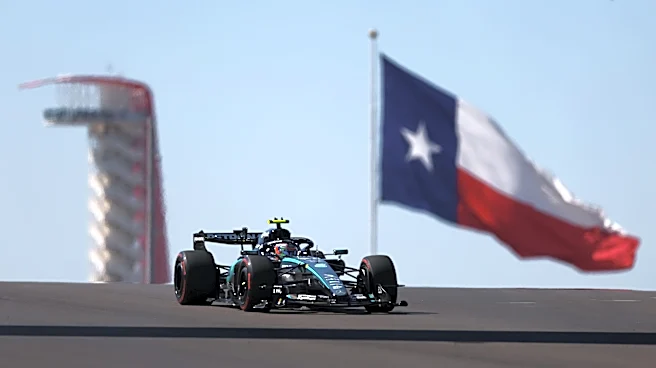
The significant economic impact projected for the Mexico City Grand Prix highlights the substantial financial benefits that major international sporting events can bring to host cities. For the U.S., this event, occurring the weekend after the United States Grand Prix in Austin, Texas, offers a comparative benchmark for the economic contributions of Formula 1 races in North America. The participation of Cadillac, a General Motors luxury brand, as a new team in 2026 with Mexican driver Sergio “Checo” Pérez, creates a direct connection for American viewers and potentially boosts brand visibility in a key market. The event's ability to draw hundreds of thousands of spectators and generate over a billion dollars in economic activity underscores its role as a powerful economic engine, influencing tourism, hospitality, and related industries, and providing a case study for other U.S. cities considering hosting similar large-scale events.
What's Next?
The current contract for the Mexican race extends through 2028, with discussions for a longer extension expected to commence between late 2026 and early 2027. Race director general Federico González Compeán has expressed a preference for an annual slot rather than an alternating-year arrangement, citing the need for year-round preparation. Formula 2, the main support series, is anticipated to join the Mexico weekend from 2027, further enhancing the event's appeal and potential economic impact. For U.S. fans, the race's timing on the day U.S. clocks go back means a 3:00 PM Eastern Standard Time start. The ongoing negotiations for contract renewal will determine the long-term future of the Mexico City Grand Prix and its continued economic contributions to the region.
Beyond the Headlines
The Mexico City Grand Prix's projected economic impact extends beyond direct revenue, influencing urban development, infrastructure improvements, and international perception of Mexico City as a global event destination. The sustained success and growth of the event, as evidenced by the increasing economic projections, demonstrate the power of sports tourism to drive significant capital investment and job creation. The presence of a prominent Mexican driver like Sergio Pérez not only boosts local fan engagement but also elevates national pride and international recognition for Mexican talent in motorsports. This event also serves as a cultural bridge, attracting a diverse international audience and fostering cross-cultural exchange, while simultaneously showcasing Mexico City's capacity to host world-class events and manage complex logistical operations. The long-term commitment to an annual slot, as advocated by organizers, suggests a strategic vision to solidify the Grand Prix's position as a permanent fixture on the global sports calendar.