




What's Happening?
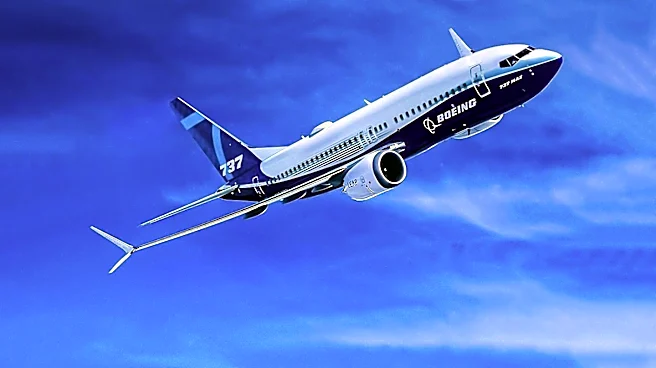
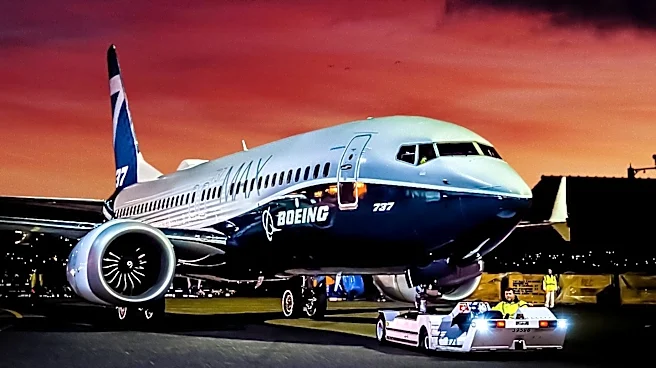
The U.S. Federal Aviation Administration (FAA) has delayed the certification of the Boeing 737 MAX 10, the largest variant of the MAX family, due to a software problem affecting some Boeing 737 MAX aircraft. The FAA will not approve the MAX 10 until the issue
is resolved and has not provided a revised certification date. The fault can occur during a 'go-around' maneuver, where pilots abandon a landing and climb away. In specific scenarios involving a change to the planned flight path, the affected software may prevent the crew from using automated vertical flight guidance. While pilots retain control, the FAA notes that this could increase their workload during a critical phase of flight. Boeing has acknowledged the issue, informed operators, and is developing a permanent software update. The FAA plans to convene a Corrective Action Review Board to assess the safety risk and determine if further actions are needed for aircraft already in service.
Why It's Important?
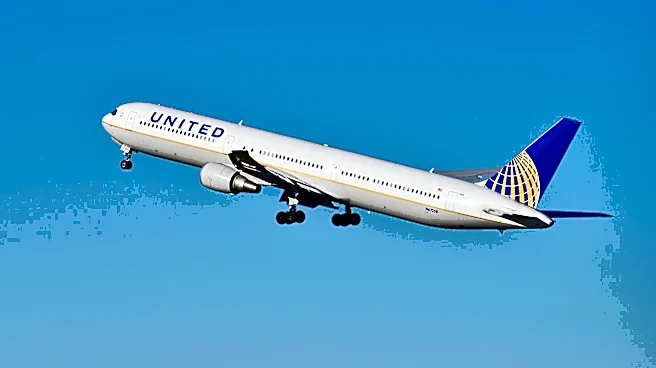
This delay in certification for the Boeing 737 MAX 10 carries significant implications for Boeing, airlines, and the broader aviation industry. For Boeing, it represents another setback for the MAX program, which has faced extensive scrutiny and delays following previous fatal crashes. This new software issue could further damage Boeing's reputation and financial performance, as it impacts delivery schedules and customer confidence. Airlines that have ordered the MAX 10, such as United Airlines, are already declining deliveries of aircraft equipped with the problematic software, leading to potential disruptions in fleet expansion and operational planning. The FAA's cautious approach underscores its commitment to safety, but the prolonged certification process creates uncertainty for the market and could lead to increased costs for both manufacturers and operators. The incident also highlights the ongoing challenges in software integration and safety assurance within complex modern aircraft systems.
What's Next?
Boeing is currently developing a permanent software update to address the identified issue. The FAA will convene a Corrective Action Review Board to evaluate the safety risk posed by the fault and determine if additional measures are required for existing 737 MAX aircraft. The timeline for the MAX 10's certification remains uncertain, as it hinges on the successful resolution of the software problem and the FAA's subsequent approval. Airlines will continue to monitor the situation closely, with some, like United Airlines, refusing deliveries of affected aircraft until the issue is resolved. The outcome of the FAA's review could lead to revised operating procedures, mandatory software changes across the MAX fleet, or other safety directives. This situation will likely continue to be a focal point for aviation regulators, manufacturers, and airlines in the coming months.
Beyond the Headlines
The recurring software issues with the Boeing 737 MAX series point to deeper systemic challenges within aircraft design, certification processes, and the balance between innovation and safety. This latest incident, while not immediately leading to a grounding, reinforces public and regulatory skepticism that emerged from the previous MAX crashes. It highlights the critical importance of robust software development, rigorous testing, and independent oversight in aviation. The increased workload on pilots during a critical flight phase, even with retained control, underscores the potential for human error when automated systems fail or introduce unexpected complexities. This ongoing saga could prompt a re-evaluation of how new aircraft variants are certified, potentially leading to more stringent software validation requirements and a greater emphasis on human-machine interface design to prevent similar issues in the future.