








What's Happening?
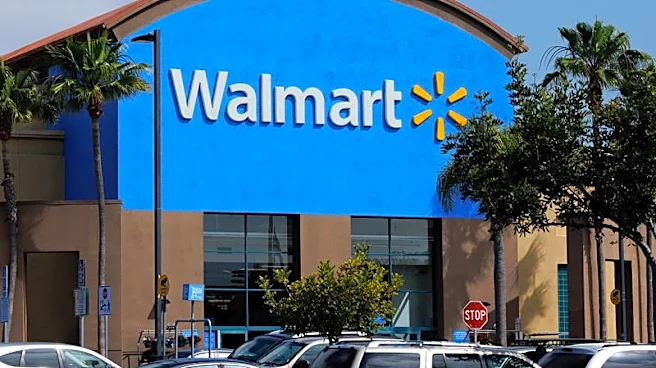
Walmart has reported strong second-quarter sales that exceeded Wall Street estimates and has subsequently raised its full-year outlook. The retail giant's revenue increased by 5.9% in its fiscal second quarter, driven by a 23% jump in global e-commerce
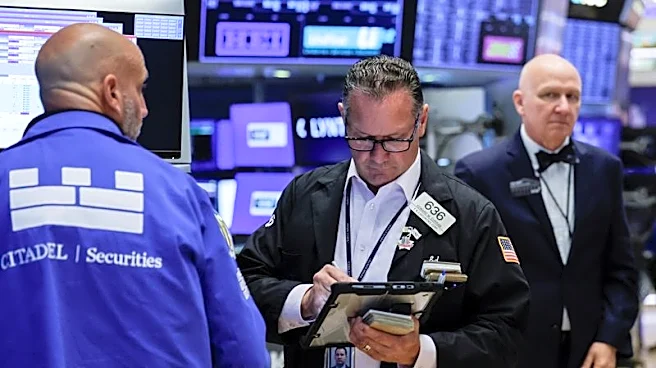
sales. U.S. comparable sales grew by 2.6%, although this was partially offset by a 0.8% headwind in its health and wellness business due to drug price caps. The company's adjusted earnings per share were 81 cents, and total revenue reached $187.94 billion, surpassing the expected $186.77 billion. A significant factor contributing to Walmart's strong performance was the receipt of approximately $2.9 billion in tariff refunds, with nearly $100 million still outstanding. CFO John David Rainey stated that these funds would be used to lower prices for consumers, with the impact expected in the third quarter. Despite the positive results, Walmart's shares fell over 8% in morning trading, as Wall Street appeared disappointed by the quarterly comparable sales and the company's sales guidance.
Why It's Important?
Walmart's performance offers a crucial barometer for the health of the U.S. consumer and the broader retail sector. As the largest U.S. retailer, its ability to exceed revenue estimates and raise its outlook, even amidst ongoing economic pressures, suggests a degree of resilience in consumer spending, particularly among lower-income cohorts who prioritize value. The strategic use of tariff refunds to lower prices is a significant move that could intensify competition in the retail market, potentially benefiting consumers by making goods more affordable. This also highlights Walmart's market power and its ability to leverage such windfalls to gain market share. The growth in e-commerce and membership fee revenue (Walmart+ and Sam's Club) indicates successful adaptation to changing shopping habits and a strong competitive stance against rivals like Amazon. However, the stock's decline despite strong results suggests that investor expectations remain high, and concerns about comparable sales growth and future guidance can still outweigh positive financial outcomes, reflecting a cautious market sentiment regarding sustained growth in the current economic climate.
What's Next?
Walmart expects net sales to increase between 4% and 5% for the full year, with adjusted earnings between $2.80 and $2.87 per share. For the third quarter, the company anticipates net sales to grow between 3% and 3.75% and adjusted earnings per share to be between 62 cents and 64 cents. The impact of the tariff refunds on consumer prices is expected to be seen in the third quarter, which could further boost sales and attract more customers. However, Walmart also projects over $2 billion in 'incremental cost headwinds related to higher fuel prices this year,' which could offset some of the gains from the tariff refunds and price reductions. The company will continue to focus on its value proposition to attract price-sensitive consumers while also expanding its market share among higher-income customers through services like Walmart+ and its third-party marketplace. Investors will closely monitor the company's ability to manage these cost pressures and maintain sales growth in a challenging economic environment, especially as consumer spending remains sensitive to inflation and fuel costs.
Beyond the Headlines
Walmart's latest earnings report reveals a nuanced picture of the U.S. economy, where consumer spending remains resilient but highly sensitive to value and price. The company's success in attracting higher-income customers, alongside its traditional lower-income base, indicates a broader trend of consumers across all income brackets seeking more affordable options in an inflationary environment. This 'trade-down' effect could have lasting implications for brand loyalty and market segmentation in retail. The strategic decision to use tariff refunds to lower prices is not just a business move but also a significant public relations play, positioning Walmart as a champion for consumers struggling with the cost of living. This could put pressure on other retailers to follow suit, potentially leading to a price war that benefits consumers but squeezes profit margins across the industry. Furthermore, the continued growth of Walmart's e-commerce and membership services underscores the ongoing digital transformation of retail, where convenience and integrated shopping experiences are becoming as crucial as price. The company's ability to navigate these complex dynamics will be a key indicator of its long-term market leadership and adaptability.