








What's Happening?
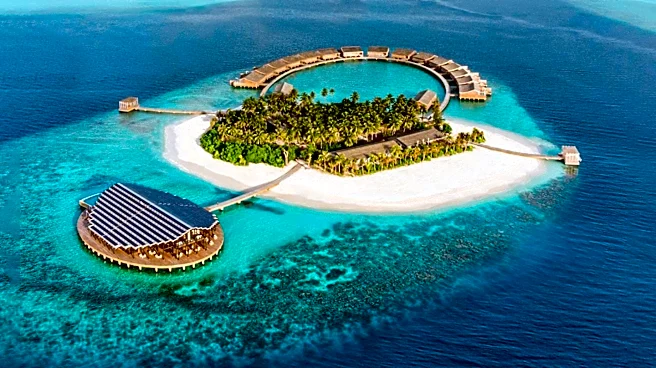
Shebara Resort, located on Sheybarah Island in Saudi Arabia's Al Wajh Lagoon, has implemented an innovative construction approach involving offshore fabrication and marine transport for its 73 villas. Instead of traditional on-site construction in a sensitive
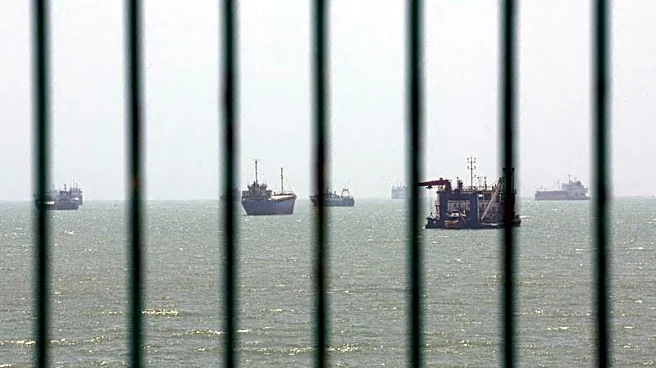
island environment, the villas were manufactured at Grankraft Industries' facilities in Sharjah, UAE. This method involved assembling mild-steel structural frames, stainless-steel shells, internal services, and furniture under controlled factory conditions. The completed villas, each weighing approximately 150 tonnes, were then transported by sea and installed on pre-built foundations using specialized marine equipment. This process, which resembles modular construction used for ship accommodation blocks, significantly reduced on-island construction activity and improved quality control. The resort, part of Saudi Arabia's Vision 2030, also incorporates advanced sustainable technologies, including a dedicated solar farm with over 11,000 photovoltaic panels, on-site seawater desalination, and sewage treatment with water reclamation systems. Telecommunications are provided through Free-Space Optics, transmitting data via invisible light beams to a renewable-powered 5G network.
Why It's Important?
This construction methodology at Shebara Resort represents a significant advancement in developing high-value tourism infrastructure in environmentally sensitive areas. By prefabricating villas off-site, the project minimized ecological disruption to coral reefs, mangroves, and turtle-nesting areas, setting a precedent for sustainable development in remote locations. The integration of renewable energy sources, such as solar power for electricity and desalination, showcases a commitment to operational self-sufficiency and reduced environmental footprint. This approach could influence future large-scale tourism and infrastructure projects globally, particularly in regions with delicate ecosystems. The project also highlights the potential for countries with shipbuilding capabilities to diversify into manufacturing prefabricated hotel modules and other offshore tourism structures, creating new economic opportunities and specialized industries. The comprehensive planning of utilities, environmental assessments, and logistics from the outset demonstrates a model for integrated engineering that prioritizes long-term sustainability and operational efficiency.
What's Next?
As Shebara Resort continues its operations, further details on its sustainability performance, such as installed solar capacity, electrical demand, battery storage, and desalination plant specifics, are anticipated to provide a more complete picture of its environmental impact and efficiency. The success of this integrated engineering approach may encourage other developers and governments to adopt similar strategies for remote and eco-sensitive projects. There could be increased interest in modular construction techniques and off-site fabrication for various types of infrastructure, potentially leading to advancements in construction technology and logistics. The project's model of direct procurement through specialist work packages, rather than a single turnkey contractor, might also gain traction, influencing how large-scale developments are managed and executed in the future. The long-term operational data from Shebara will be crucial in evaluating the effectiveness and scalability of these innovative construction and sustainability practices.
Beyond the Headlines
The Shebara Resort project extends beyond its architectural marvel to underscore a fundamental shift in how large-scale developments can reconcile economic growth with environmental stewardship. The emphasis on manufacturing in controlled industrial environments and then transporting finished modules reflects a broader trend towards industrialization in construction, aiming for higher quality, reduced waste, and minimized on-site impact. This approach also raises questions about the global supply chain for specialized components and the coordination required for such complex logistical operations. Furthermore, the resort's reliance on advanced telecommunications like Free-Space Optics highlights the critical role of cutting-edge technology in enabling remote, self-sufficient communities and businesses. The project serves as a case study for the potential of integrated engineering to create luxurious, high-value destinations that are also models of environmental responsibility, challenging conventional notions of resort development and pushing the boundaries of sustainable tourism.