






What's Happening?
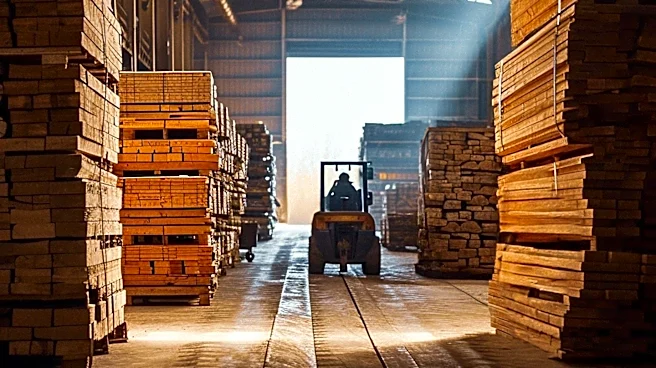
Canfor Southern Pine (CSP) is investing approximately $96 million in its Arkansas operations, specifically at its Iron Mountain facility in El Dorado. This investment will fund a phased modernization and logistics expansion. The modernization project
is divided into two phases: the first phase, which upgraded the planer, was completed in the second quarter of 2025. The second phase will focus on modernizing and expanding the Iron Mountain sawmill and log yard operations, with an expected completion in the fourth quarter of 2026. Additionally, a new shipping transload facility was constructed earlier this year at Iron Mountain. This facility will serve both the Iron Mountain mill and the nearby Urbana Sawmill, enabling efficient transfer of lumber between trucks and rail cars. The overall project aims to more than double Iron Mountain’s annual net production to approximately 220 million board feet and create about 75 new jobs at the facility and in logistics. Lee Goodloe, President of Canfor Southern Pine, stated that this investment strengthens their Iron Mountain operation and broader regional hub in Arkansas, building a more integrated manufacturing network.
Why It's Important?
This significant investment by Canfor Southern Pine underscores a commitment to the U.S. timber industry and regional economic development in Arkansas. The modernization and expansion of the Iron Mountain facility will enhance operational efficiency and competitiveness, positioning Canfor's Arkansas operations for long-term growth. The creation of 75 new jobs will provide increased employment opportunities for residents in Union County, strengthening the local economy. Furthermore, the new shipping transload facility will improve logistics across Canfor’s Arkansas operations, expanding access to customers throughout North America. This development highlights the ongoing importance of the forest products sector to the U.S. economy, particularly in states with rich timber resources. The investment also reflects a trend of companies modernizing facilities to meet evolving market demands and improve sustainability through more efficient production and logistics.
What's Next?
The second phase of the Iron Mountain facility's modernization, focusing on the sawmill and log yard operations, is expected to be completed in the fourth quarter of 2026. Following the completion of this project, the Iron Mountain facility will directly employ approximately 150 full-time employees. Canfor Southern Pine will continue to integrate its manufacturing network, leveraging the new transload facility to optimize lumber distribution across North America. The company's ongoing commitment to Arkansas, with over $400 million invested in Union County since 2015, suggests potential for further growth and development in the region. Local leadership, including Union County Judge Mike Loftin and Clint O’Neal of the Arkansas Economic Development Commission, anticipate that this expansion will lead to new opportunities and continued economic prosperity for the community and the state.
Beyond the Headlines
This investment by Canfor Southern Pine extends beyond immediate economic benefits, touching upon broader themes of industrial resilience and regional sustainability. By modernizing its facilities, Canfor is not only increasing production capacity but also likely adopting more advanced, potentially environmentally friendlier, manufacturing processes. The emphasis on a more integrated manufacturing network and improved logistics could lead to a reduced carbon footprint associated with transportation. The creation of new jobs in a rural area like Union County can have a profound social impact, providing stable employment and fostering community development. This move also highlights the strategic importance of domestic manufacturing and supply chains, particularly in essential industries like forest products. The long-term commitment from a major manufacturer like Canfor can attract ancillary businesses and further investment, creating a ripple effect throughout the regional economy and reinforcing the role of timber as a sustainable resource.