






What's Happening?
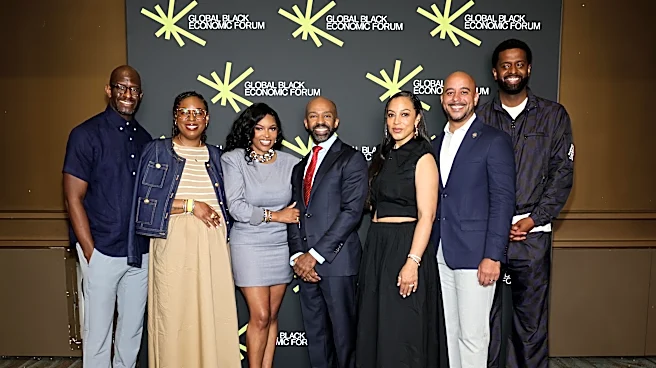
The 'Beyond Africa' gathering recently took place in Pflugerville, Greater Austin, bringing together African founders, investors, engineers, creators, and corporate leaders. The event, organized by Adewale Yusuf and Stanley Agu, focused on themes including
artificial intelligence, fintech, venture capital, careers, immigration, and global business expansion. Speakers from major companies like OpenAI, Google, Microsoft, Visa, Amazon, and Boston Consulting Group participated. The conference emphasized building connections and infrastructure for Africans living outside the continent, aiming to foster community and facilitate professional growth. Key discussions included strategies for career advancement, such as seeking sponsors over mentors, actively asking for promotions, and demonstrating ownership in professional roles. The event also delved into the creative economy, with entrepreneurs sharing insights on customer acquisition, validating business ideas, and leveraging platforms like LinkedIn for growth. The overarching message encouraged attendees to focus on what they are 'building' rather than just what they 'do'.
Why It's Important?
This gathering is significant for the African diaspora in the U.S. as it addresses the need for a unified infrastructure to connect talent, capital, and opportunities. By bringing together diverse professionals, 'Beyond Africa' aims to create a robust network that can drive economic empowerment and innovation within the community. The emphasis on practical career advice, such as the importance of sponsorship and proactive career management, can directly impact the professional trajectories of attendees, helping them navigate corporate environments more effectively. Furthermore, the focus on AI and the creative economy highlights emerging sectors where the diaspora can leverage their skills and contribute to technological and cultural advancements. The event's goal to expand its chapter model beyond Austin to other U.S. cities signifies a broader movement to build sustained support systems, potentially leading to increased collaboration, investment, and representation for Africans in various industries across the nation.
What's Next?
Beyond Africa plans to expand its initiatives beyond the initial conference. The organization is structured around six pillars: Media, Chapter, Capital, Academy, Network, and Experience. The media arm will focus on storytelling through podcasts and social content. The chapter model, which began as a 12-week experiment in Austin, is set to expand to more cities across the United States, and eventually to Canada and Europe, creating local communities for professionals. The network pillar aims to connect professionals from various fields, including doctors and lawyers, to foster trusted expertise within the community. The academy will provide training, particularly in applying AI to different fields. Looking ahead, there are ambitions for a larger, three-day 'Beyond Africa' gathering in Austin in late October 2027, projected to host up to 7,500 attendees across three stages focusing on capital, AI and robotics, and creativity. These next steps indicate a long-term vision to build a comprehensive ecosystem for the African diaspora.
Beyond the Headlines
The 'Beyond Africa' gathering reflects a deeper trend of diasporic communities actively building their own support systems and economic infrastructures. This initiative goes beyond typical networking events by aiming to create a self-sustaining 'operating system' for Africans living outside the continent. It highlights the recognition that while individual talent is abundant, collective infrastructure is often lacking. The focus on 'what you are building' rather than 'what you do' fosters a culture of entrepreneurship and proactive contribution, encouraging individuals to take ownership of their professional and personal development. Ethically, this movement promotes self-reliance and community empowerment, addressing potential systemic gaps in traditional support structures. Culturally, it reinforces a shared identity and purpose among diverse African professionals, leveraging collective strength to overcome challenges and create new opportunities in the U.S. and globally. This model could inspire other diaspora communities to develop similar comprehensive platforms for their members.