



What's Happening?
PG&E announced it will defer $2 billion in planned spending for 2027, reducing its capital expenditure to $11.4 billion from a previously planned $13.4 billion. This decision follows the failure of Senate Bill 492, a wildfire liability reform measure,
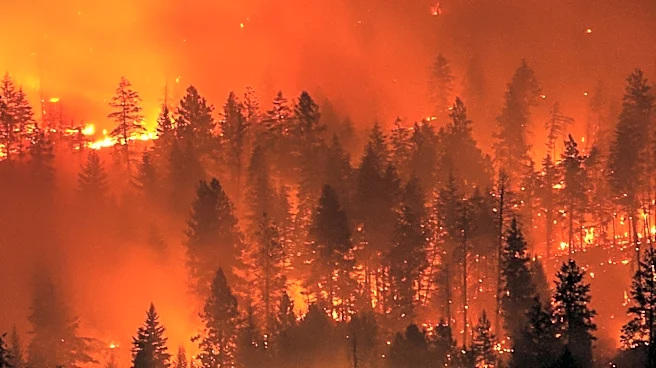
to pass the California Legislature. The utility stated that this spending cut could delay electrical connections for new homes, renewable-energy projects, data centers, and other development across California. PG&E CEO Patricia Poppe emphasized that the current wildfire liability framework is unsustainable and too costly for customers, as the company is often held responsible for claims even when its equipment is only involved, not necessarily at fault. Consumer Watchdog, a frequent critic of PG&E, has denounced the utility's move as a 'capital strike' and 'blackmail,' urging the state Public Utilities Commission (PUC) to investigate. The utility maintains it will preserve critical safety programs and meet wildfire mitigation requirements.
Why It's Important?
This development has significant implications for California's economy, infrastructure development, and housing crisis. The deferral of $2 billion in capital spending could slow down the construction of new housing, exacerbate the state's housing shortage, and impede the growth of renewable energy projects crucial for California's climate goals. Furthermore, delays in connecting data centers and other major projects could hinder technological and economic expansion. The dispute highlights the ongoing tension between utilities, lawmakers, and consumer advocates regarding who bears the financial responsibility for wildfire damages. PG&E's argument that the current liability framework is unsustainable underscores the challenges utilities face in operating in high-risk wildfire areas, potentially impacting their credit ratings and ability to secure capital for future investments. The accusation of 'blackmail' by Consumer Watchdog suggests a contentious relationship and raises questions about the utility's leverage over legislative processes.
What's Next?
PG&E hopes that Governor Gavin Newsom will call a special legislative session to address the wildfire liability framework, which could potentially lead to the restoration of the deferred spending. The state Public Utilities Commission (PUC) is expected to face pressure from Consumer Watchdog to investigate PG&E's spending cuts and ensure that ratepayers are not negatively impacted. The utility has indicated it could restore the spending if lawmakers enact reforms acceptable to the company. Meanwhile, the uncertainty surrounding wildfire liabilities will likely continue to affect PG&E's stock performance and its ability to attract investment. The broader implications for California's development projects, including housing and renewable energy, will unfold as the spending cuts take effect and as stakeholders continue to seek a resolution to the liability issue. The situation could also prompt further debate on the regulatory oversight of utilities in the state.
Beyond the Headlines
This situation exposes a deeper systemic challenge in California: balancing the need for utility infrastructure investment with the immense financial risks posed by wildfires. The failure to pass a comprehensive wildfire liability bill reflects a complex interplay of legal, economic, and political interests, where the costs of climate change-induced disasters are increasingly being borne by utilities and, ultimately, ratepayers. The 'capital strike' accusation raises ethical questions about whether a utility, even under financial duress, should use investment decisions as leverage in legislative negotiations. This scenario could set a precedent for how essential service providers interact with state governments when facing significant financial pressures. It also highlights the vulnerability of critical infrastructure to climate change and the urgent need for innovative policy solutions that ensure both safety and economic development without unduly burdening consumers or stifling growth.