

What's Happening?
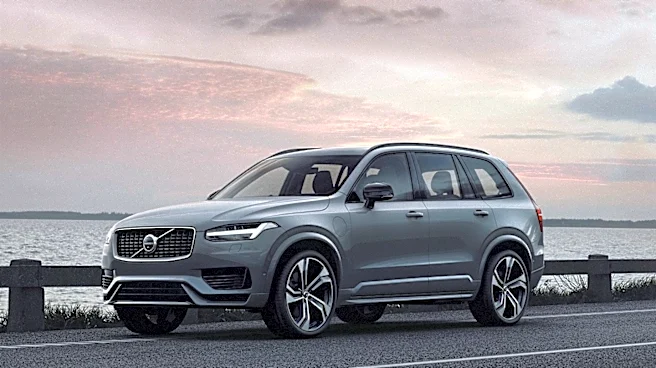
Volvo has unveiled its 2028 XC90 T8 plug-in hybrid (PHEV), positioning it as a transitional vehicle for consumers seeking a three-row electric SUV but who are not yet ready for a fully electric model like the EX90 or Rivian R1S. The updated XC90 T8 features
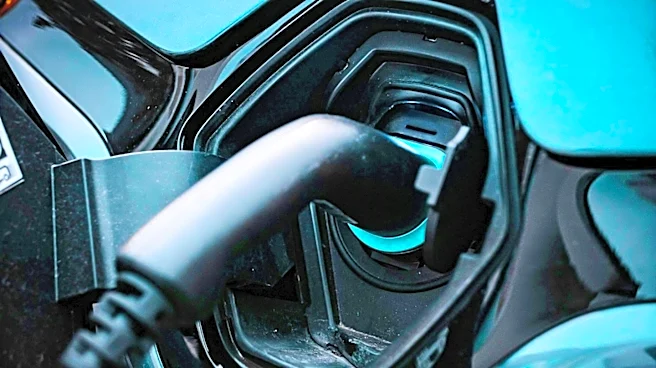
a redesigned, flat, floor-mounted battery pack with a 41.2 kWh capacity (37.9 kWh usable), significantly increasing its electric-only range to an EPA-estimated 73 miles. This extended range allows the vehicle to operate primarily on electric power for typical daily commutes. The XC90 T8 maintains its practicality with 6- or 7-passenger seating, substantial cargo space, and a 5,000-lb towing rating. Despite its bulk, it can accelerate from 0 to 60 mph in 4.9 seconds. The vehicle also incorporates Google Gemini integration into its infotainment system. While offering a substantial electric range, the PHEV still includes an 18-gallon fuel tank and a turbocharged four-cylinder engine for extended trips or situations requiring all-wheel drive.
Why It's Important?
The introduction of the 2028 Volvo XC90 T8 is significant for the U.S. automotive market as it addresses a key segment of consumers hesitant to fully commit to battery electric vehicles (BEVs). By offering a substantial electric range combined with the flexibility of a gasoline engine, Volvo aims to alleviate 'range anxiety' and charging infrastructure concerns that deter many potential EV buyers. This strategy could accelerate the adoption of electrified vehicles by providing a less intimidating entry point. For U.S. families and those requiring towing capabilities, the XC90 T8 offers a practical solution that balances environmental benefits with traditional vehicle utility. This move also intensifies competition within the luxury SUV segment, pushing other manufacturers to enhance their PHEV offerings and potentially influencing future regulatory discussions around emissions and vehicle electrification.
What's Next?
Certified deliveries of the 2028 Volvo XC90 T8 are expected to commence in the first quarter of 2027. Pricing details will be announced closer to the launch date. The market reception of this model will be closely watched, particularly how it performs against both full EVs and other PHEVs in terms of sales and consumer satisfaction. Volvo's success with this 'bridge' vehicle could influence its future product development strategy, potentially leading to more robust PHEV offerings or a faster transition to full BEVs depending on market demand. The extended electric range of the XC90 T8 sets a new benchmark for PHEVs in the U.S. market, which may prompt competitors to innovate their own hybrid technologies to remain competitive.
Beyond the Headlines
The 2028 Volvo XC90 T8 highlights a broader industry trend of automakers seeking to cater to diverse consumer preferences during the transition to electric mobility. While full EVs are the ultimate goal for many manufacturers, the reality of charging infrastructure limitations and consumer habits necessitates intermediate solutions. The XC90 T8's design, which prioritizes a significant electric-only range, suggests a strategic shift from earlier PHEV models that offered minimal electric capability. This approach could redefine the role of plug-in hybrids, transforming them from mere compliance vehicles into genuinely viable electric-first options with gasoline backup. The emphasis on practicality, such as towing capacity and three-row seating, also underscores the importance of meeting varied consumer needs while advancing electrification goals, potentially influencing the design and marketing of future electrified vehicles across the industry.