







What's Happening?
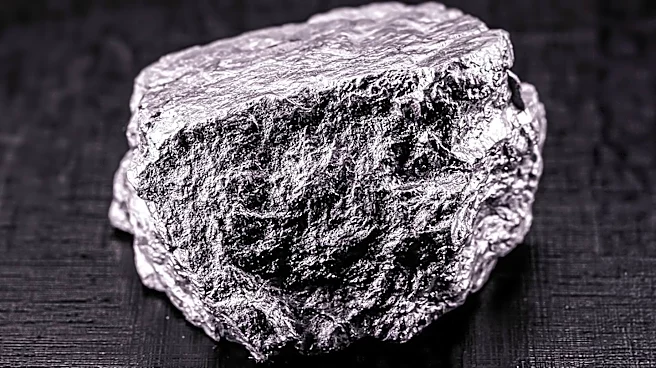
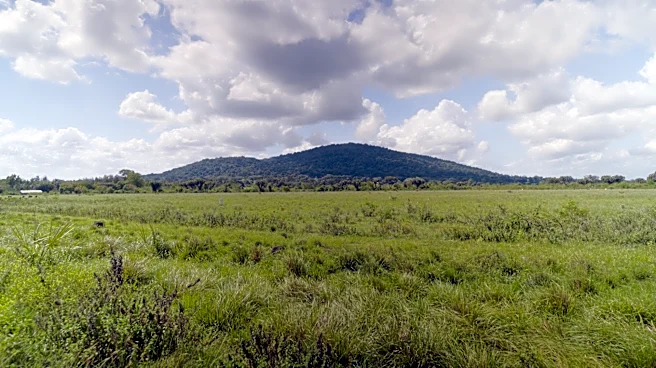
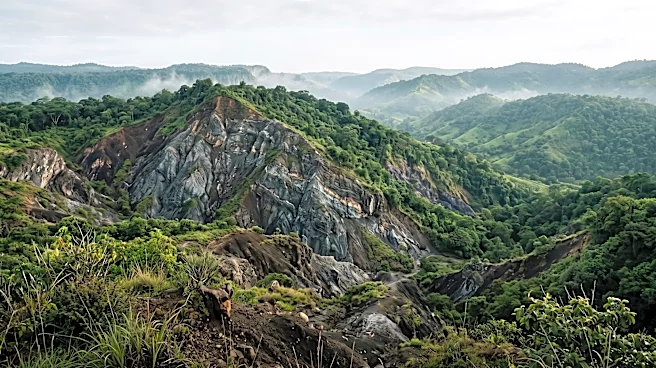
Kenya's government has chosen a consortium of U.S. companies as the preferred bidder to develop niobium and rare earth deposits at Mrima Hill in Kwale County. The Frontier Minerals Consortium, which includes Frontier Minerals LLC, Bunker Hill Mining Corp.,
ReElement Technologies, and American Resources Corp., has received a notice of intent to award the project. This notice is not a license; the consortium must first engage with local communities and secure all necessary consents before applying for a prospecting license. Residents, including farmers and elders from the Digo community, have expressed fears of losing their land and concern over potential damage to a sacred forest where their ancestors are believed to be buried. Justus Mwero, chairman of the Mrima Farm Owners Community-Based Organization, stated that residents have not yet received information from the government regarding the project's content. The mining ministry indicated it deliberately selected investors before formal consent processes began, with Mining Minister Hassan Joho claiming community consultation occurred before bids were sought.
Why It's Important?
This development is significant for the U.S. as it represents a strategic move to secure critical rare earth minerals, which are essential for electric vehicle motors, wind turbines, and defense technologies. The U.S. and other nations are actively seeking alternatives to China's current dominance in the rare earth market. By investing in Kenyan mineral development, the U.S. aims to diversify its supply chain and reduce reliance on a single source, bolstering its technological and defense industries. However, the project faces local opposition and concerns regarding land rights and environmental impact, which could lead to delays or complications. The lack of transparency and community engagement, as highlighted by local groups like the Kwale Mining Alliance, could undermine the project's social license to operate and potentially lead to legal challenges, as a previous attempt to mine the site ended in arbitration.
What's Next?
The Frontier Minerals Consortium is now required to engage directly with the communities in Kwale County to obtain the necessary consents before it can apply for a prospecting license. This engagement process will be crucial in addressing the fears of residents regarding land loss and the preservation of the sacred forest. Fakii Omar of the Kwale Mining Alliance has called for the government to make the project proposal public to ensure accountability. A Kenyan civil society group, the Center for Litigation Trust, has already petitioned the High Court in Kwale County to suspend any proposed Kenya-U.S. agreement on Mrima Hill's minerals until residents are consulted, though the attorney general has challenged the court's jurisdiction. The outcome of these community engagements and potential legal challenges will determine the project's progression and timeline.
Beyond the Headlines
The situation at Mrima Hill underscores the complex interplay between global strategic interests in critical minerals and local community rights and environmental concerns. The push by countries like the U.S. to secure rare earths highlights a broader geopolitical shift towards diversifying supply chains away from concentrated sources. However, this global demand often collides with local land tenure systems, cultural heritage, and environmental protection. The Kenyan government's approach of selecting investors before formal consent processes raises questions about the prioritization of economic development over community welfare and transparent governance. This case could set a precedent for how future international mineral extraction projects navigate the balance between national economic benefits, global strategic needs, and the rights and concerns of affected local populations.