







What's Happening?
U.S. consumers are redefining convenience food, shifting away from traditional meals towards simpler eating occasions that prioritize ease of preparation and high protein content, according to David Portalatin, Circana’s SVP and industry advisor for food and foodservice.
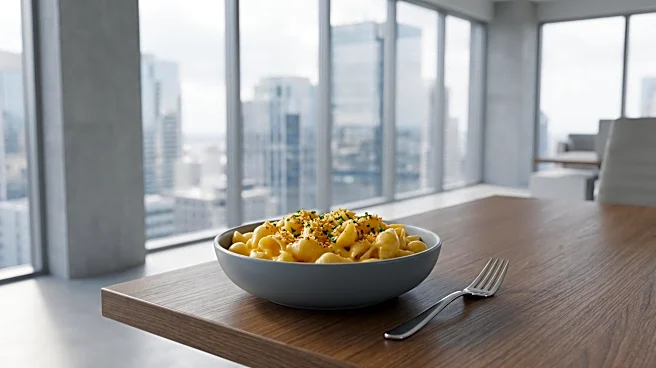
Circana’s 'Eating Patterns in America 2026' report indicates a growing preference for ready-to-eat foods, prepared meals, snacks, and meal replacements that bridge the gap between restaurant dining and home cooking. This trend is driven by fragmented daily schedules, a return to in-person work, and increased mobility. Consumers are seeking 'simple solutions for what are increasingly becoming simple occasions,' with a strong demand for meals that can be prepared in five minutes or less, particularly for breakfast. Protein intake is a significant focus, with 47% of consumers actively trying to increase their protein consumption, a notable rise from 41% last year.
Why It's Important?
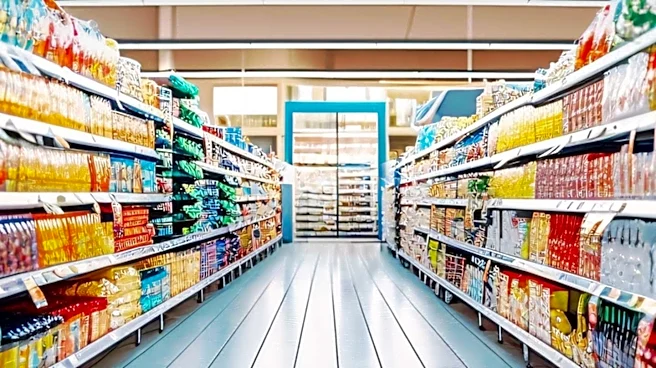
This shift in consumer eating patterns has significant implications for the U.S. food manufacturing and retail industries. Food manufacturers must innovate to meet the demand for convenient, protein-rich, and health-conscious products. This includes developing more ready-to-eat options, meal kits, and snacks that offer nutritional benefits. Retailers, in turn, need to adapt their offerings and store layouts to accommodate these new preferences, potentially expanding sections for prepared foods and high-protein items. The emphasis on protein is influencing product development across various categories, from yogurt to restaurant menus, creating opportunities for brands that can effectively highlight this macronutrient. The trend also reflects a broader consumer focus on health and wellness, with increasing scrutiny of food labels for attributes like calories, sugar, and protein, and a growing interest in clean eating and avoiding ultra-processed foods.
What's Next?
Food manufacturers are expected to continue developing and marketing products that align with the demand for simplicity, convenience, and high protein content. This will likely lead to an increase in innovative ready-to-eat meals, fortified snacks, and beverages designed for on-the-go consumption. Retailers will likely further integrate these types of products into their offerings, potentially creating dedicated sections or expanding existing ones to cater to consumers seeking quick and healthy options. The influence of GLP-1 medications for weight loss, which often recommend maintaining protein intake, could further accelerate the demand for protein-rich foods. The industry will also need to address the underserved opportunity in fiber, as consumers acknowledge its importance but find it harder to incorporate into their diets compared to protein. Expect continued evolution in food packaging and marketing to emphasize these key consumer priorities.
Beyond the Headlines
The redefinition of convenience food goes beyond mere time-saving; it reflects a fundamental change in how Americans approach their daily nutrition and lifestyle. The rise of solo eating occasions, driven by convenience and fragmented schedules, suggests a shift away from traditional communal meal structures. This trend highlights the increasing pressure on individuals to balance work, personal life, and health goals, leading to a demand for food solutions that support these complex needs. The growing interest in clean eating, avoiding ultra-processed foods, and scrutinizing nutritional labels indicates a more informed and health-conscious consumer base. This could lead to a long-term transformation in the food supply chain, pushing for greater transparency, healthier ingredients, and more sustainable practices. The food industry's ability to adapt to these evolving consumer values will be crucial for future success.