






What's Happening?
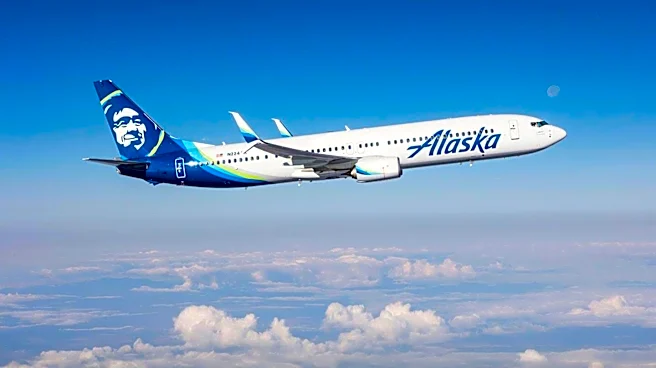
A New York gallery, Naga Antiques, is suing Alaska Airlines and its subsidiary, Hawaiian Airlines, for over $500,000 in damages to eleven Japanese paintings. The artwork, en route from Osaka, Japan, to John F. Kennedy International Airport and destined
for Naga Antiques in Hudson, New York, was allegedly ruined during a layover in Honolulu, Hawaii, on March 18. According to the lawsuit filed in state court, Alaska Airlines deplaned the paintings, which were packaged in cardboard crates, during a heavy rainstorm and failed to protect them from water damage. The complaint asserts that the carriers acted with 'gross neglect, reckless disregard, and or with willful misconduct,' resulting in the significant damage to the art pieces. Distinguished Programs Insurance Brokerage LLC, which paid Naga Antiques' claim, is bringing the suit to recoup its losses, including interest, from Alaska Airlines and Compass Forwarding Co., a New York-based logistics company.
Why It's Important?
This lawsuit highlights critical issues within the art transportation industry and the responsibilities of air carriers when handling high-value cargo. The alleged failure of Alaska Airlines and Hawaiian Airlines to protect valuable artwork during transit, particularly during adverse weather conditions, could set a precedent for how airlines manage sensitive shipments. For the art market, which frequently relies on air transport for global exhibitions and sales, such incidents underscore the financial risks involved and the importance of robust insurance policies. Insurance companies like Distinguished Programs, which specialize in art transit insurance, play a crucial role in mitigating these risks for galleries and collectors. The outcome of this case could influence future contractual agreements between art institutions, logistics providers, and airlines, potentially leading to stricter handling protocols and increased liability for carriers, especially for items with significant cultural and monetary value.
What's Next?
The lawsuit will proceed through state court, where Distinguished Programs Insurance Brokerage LLC will seek to prove that Alaska Airlines and Hawaiian Airlines were negligent in their handling of the artwork. The airlines will likely present their defense, potentially arguing against the claims of gross neglect or willful misconduct. The court will examine the evidence related to the handling procedures during the Honolulu layover and the extent of the water damage. Depending on the court's decision, there could be implications for the air cargo industry regarding the standards of care required for valuable and sensitive shipments. This case may also prompt a review of insurance policies and transportation agreements within the art world to ensure better protection and clearer accountability for artworks in transit. Naga Antiques and Alaska Airlines have not yet publicly commented on the lawsuit.
Beyond the Headlines
Beyond the immediate financial implications, this case touches upon the broader ethical and cultural responsibilities associated with transporting artistic heritage. The destruction of eleven original Japanese paintings represents not just a monetary loss but also a potential loss of cultural artifacts. It raises questions about the prioritization of cargo safety, especially for irreplaceable items, versus operational efficiency in the airline industry. The incident could spark discussions on whether current international and domestic air cargo regulations adequately address the unique vulnerabilities of fine art. Furthermore, it may encourage art institutions to explore alternative, potentially more secure, transportation methods or to demand more stringent guarantees and oversight from their logistics partners. The case serves as a stark reminder of the fragility of cultural assets and the need for meticulous care throughout their journey.