






What's Happening?
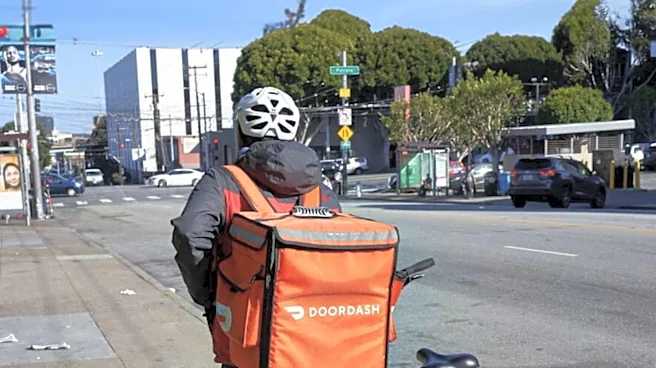
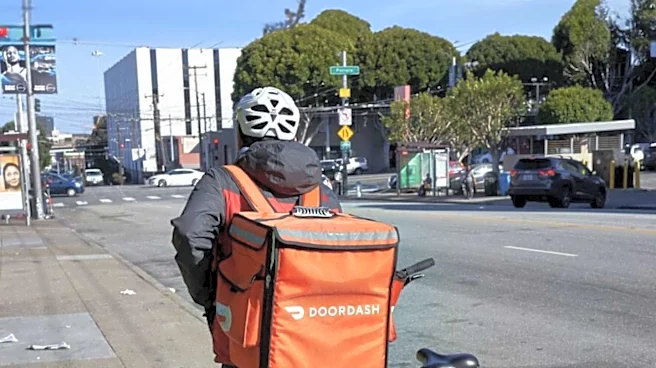
Tony Xu, CEO of DoorDash, informed analysts on an October 29 earnings call that third-party AI agents had generated 'several hundred orders in total' for the platform. This figure indicates a relatively low volume of AI-driven orders compared to the overall
transaction numbers in the food delivery sector. Similarly, Uber Technologies reported approximately 500 Uber Eats orders from external AI agents during Halloween week, against roughly 320 million rides and delivery orders across Uber that week. Despite the current low volume, food delivery companies and restaurant technology providers are actively building connections to AI assistants, anticipating a future where diners use AI to place orders.
Why It's Important?
The current low volume of AI-generated orders, as reported by DoorDash and Uber, suggests that while the technology is emerging, widespread consumer adoption of AI for food ordering is still in its nascent stages. However, the proactive efforts by delivery marketplaces and restaurant tech companies to integrate with AI assistants highlight a strategic foresight within the industry. These companies are positioning themselves to control the ordering channels and customer relationships as AI ordering becomes more prevalent. This early establishment of AI connections could significantly impact who earns commissions and who retains customer data in the future, potentially marginalizing restaurants that do not adapt quickly.
What's Next?
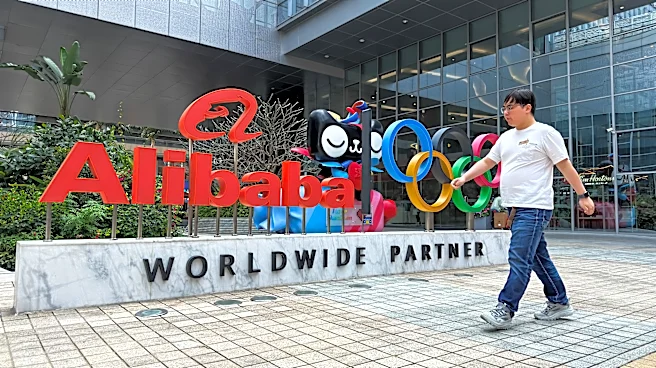
The food delivery industry is expected to continue its push towards integrating AI into ordering processes. Companies like Olo and Square are developing direct routes for restaurants to accept AI orders without relying on marketplace commissions, aiming to help restaurants retain customer relationships and data. The international market, particularly in China with Alibaba's Qwen app and Meituan, shows more advanced integration of AI in food ordering, which could serve as a model for the U.S. market. Restaurants are advised to establish their own connections to AI assistants now, before consumer habits become entrenched and the ordering channels are fully dominated by existing marketplaces.
Beyond the Headlines
The shift towards AI-driven food ordering raises fundamental questions about consumer behavior, market control, and data ownership. As AI assistants become more sophisticated, they could prioritize factors like price, convenience, or past ordering history, potentially influencing consumer choices in ways that impact restaurant margins and brand loyalty. The ethical implications of AI controlling ordering decisions and the potential for market consolidation around a few dominant AI-integrated platforms are significant. This evolving landscape could redefine the competitive dynamics within the food service industry, pushing restaurants to invest in technology to maintain direct customer engagement and avoid becoming mere fulfillment centers for AI-driven marketplaces.