





What's Happening?
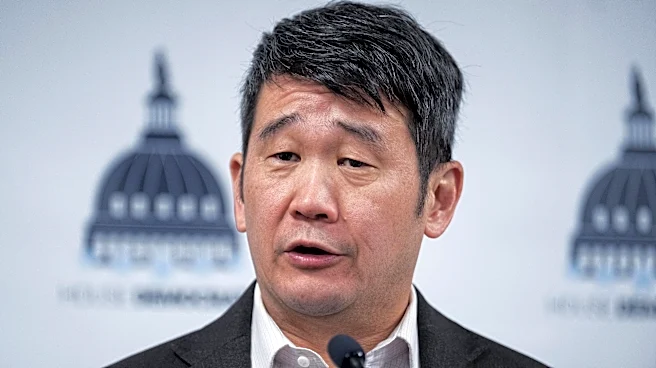
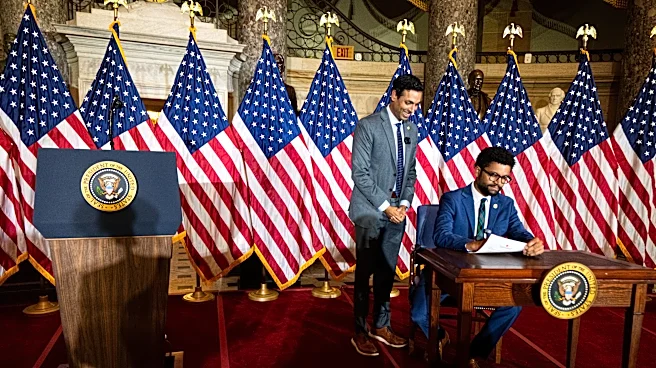
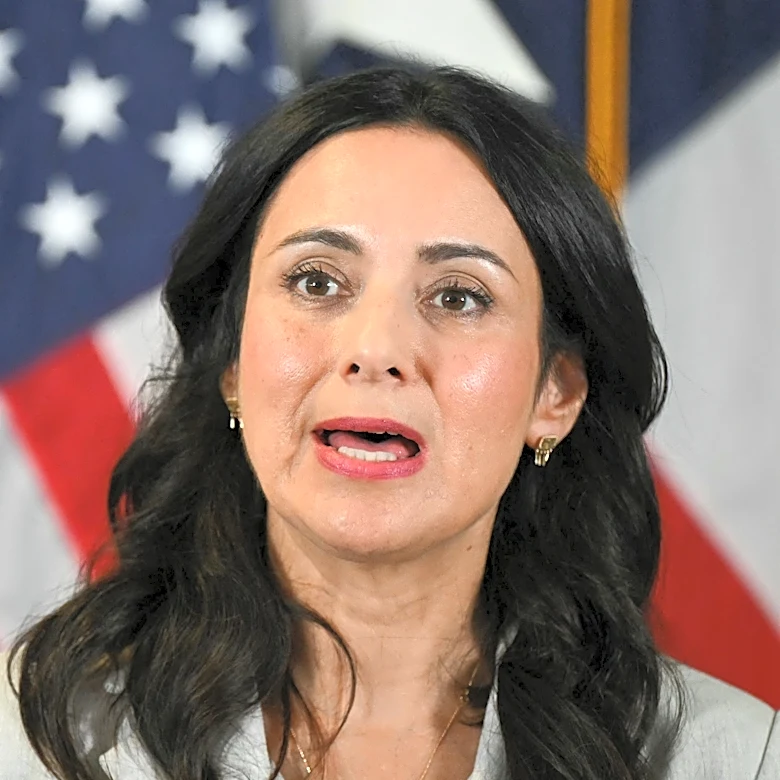
Representatives Dave Joyce (OH-14), Sharice Davids (KS-03), Mike Turner (OH-10), Zoe Lofgren (CA-18), and Sarah McBride (DE-AL) have introduced the Defend American Manufacturing Act 2.0. This bipartisan legislation aims to strengthen the federal Hollings
Manufacturing Extension Partnership (MEP), a program designed to support small and medium-sized manufacturers. The proposed bill mandates the Department of Commerce to allocate congressionally appropriated funds to MEP centers, sets deadlines for addressing underperforming centers, and prevents funding suspensions or cancellations without a negative performance evaluation. These measures are intended to provide manufacturers with an impartial review process, ensure access to critical services, and enhance transparency in decision-making regarding the program. Congressman Joyce, who co-chairs the House Manufacturing Caucus, emphasized the importance of reliable support and resources for Ohio's small and mid-sized manufacturers, highlighting their role in the state's economy.
Why It's Important?
The Defend American Manufacturing Act 2.0 is significant for the U.S. economy, particularly for the manufacturing sector. Small and medium-sized manufacturers are crucial for job creation and local economic stability across the nation. By strengthening the MEP program, the legislation seeks to ensure these businesses have the necessary resources to remain competitive, innovate, and grow. This directly impacts the ability of U.S. manufacturers to modernize production, adopt new technologies, and improve supply chain resilience. Without such support, these businesses could face increased challenges from global competitors, potentially leading to job losses and reduced economic output. The bill's focus on transparent funding and performance evaluations aims to create a more stable and predictable environment for manufacturers, allowing them to plan for long-term growth and investment. This initiative could help safeguard American jobs and foster a more robust domestic manufacturing base.
What's Next?
The Defend American Manufacturing Act 2.0 will now proceed through the legislative process in Congress. Its bipartisan nature suggests a potential for broader support, but it will still need to pass through committees and both chambers of Congress to become law. If enacted, the Department of Commerce would be required to implement the new funding allocation and oversight rules for the MEP program. Manufacturers, particularly small and medium-sized enterprises, would likely see more consistent access to the technical assistance and resources provided by MEP centers. This could lead to increased investment in technology, workforce development, and operational improvements within the manufacturing sector. The legislation's progress will be closely watched by industry groups, economic development organizations, and states with significant manufacturing bases, as it could significantly influence the future competitiveness of American manufacturing.
Beyond the Headlines
Beyond its immediate impact on manufacturing, this legislation touches upon broader themes of federal support for industry and economic resilience. The Hollings Manufacturing Extension Partnership (MEP) was established in 1988, underscoring a long-standing recognition of the need for government-backed initiatives to support industrial competitiveness. The Defend American Manufacturing Act 2.0 highlights ongoing concerns about the stability and effectiveness of such programs, particularly in an era of rapid technological change and global economic shifts. The bill's emphasis on preventing arbitrary funding cuts and ensuring impartial evaluations reflects a desire to depoliticize essential economic support mechanisms. This could set a precedent for how other federal programs designed to foster economic growth and innovation are managed, potentially leading to more robust and transparent oversight across various sectors. The long-term implication is a more predictable and reliable framework for public-private partnerships aimed at strengthening key U.S. industries.