




What's Happening?
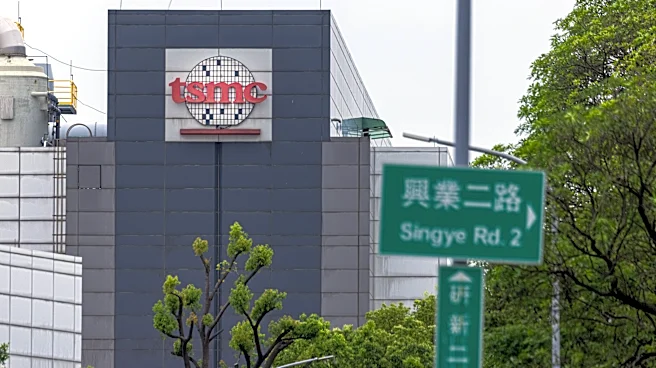
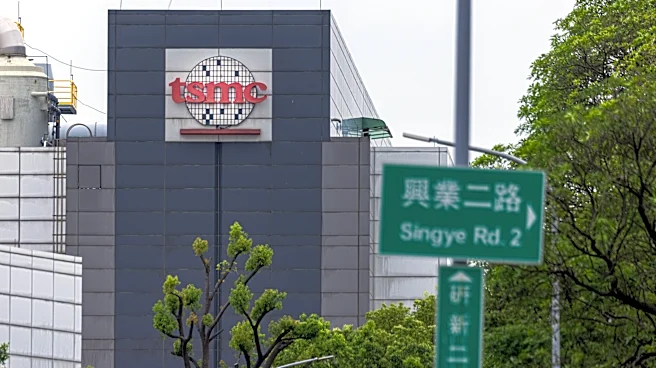
Taiwan Semiconductor Manufacturing Company (TSMC), a leading semiconductor foundry, is set to expand its presence in the United States with a new semiconductor manufacturing project in Arizona. This expansion follows previous plans, including a $22.6
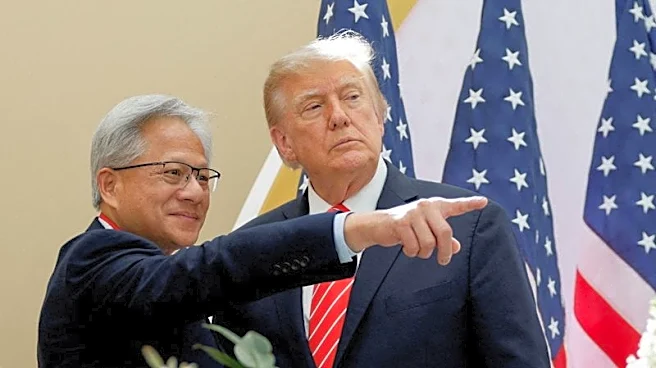
billion advanced wafer facility in Texas. The groundbreaking ceremony for the Arizona project is scheduled for December 4 and will be led by President Donald Trump. TSMC is a dominant force in the global foundry space, providing advanced chip production for major clients such as Apple, AMD, and Nvidia. The company's revenue mix is increasingly shifting towards advanced nodes (3nm and below), driven by strong sequential growth in high-performance computing and smartphones. Despite facing margin pressures from its N2 ramp and overseas fabrication plants, TSMC maintains robust financial health, reporting a 58.7% operating margin and holding $114 billion in liquid cash.
Why It's Important?
This expansion by TSMC is significant for the U.S. semiconductor industry and national security. Increasing domestic semiconductor manufacturing capacity reduces reliance on overseas production, which is crucial for supply chain resilience and technological independence. The investment in advanced wafer facilities in Arizona will create high-tech jobs and foster a skilled workforce in the region. For the U.S. economy, attracting such high-value manufacturing operations strengthens its position in the global technology landscape and can stimulate further investment in related industries. Companies like Apple, AMD, and Nvidia, which rely on TSMC for their leading-edge chips, will benefit from closer proximity to their manufacturing partners, potentially streamlining logistics and accelerating product development. This move also aligns with broader U.S. policy goals to reshore critical manufacturing capabilities.
What's Next?
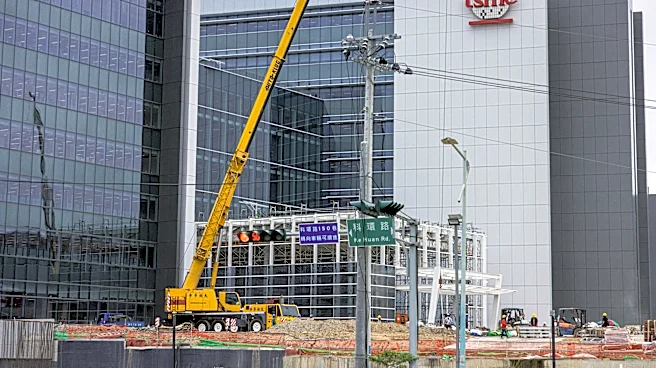
The groundbreaking ceremony on December 4, led by President Donald Trump, will officially mark the commencement of the Arizona semiconductor manufacturing project. Following this, TSMC will proceed with the construction and development of the facility, which will involve significant capital expenditure and the hiring of a substantial workforce. The company will likely continue to navigate challenges related to margin pressures from new technology ramps and overseas operations, while simultaneously focusing on integrating its new U.S. facilities into its global production network. Future developments will include the recruitment and training of local talent, the establishment of supply chain partnerships within the U.S., and the eventual commencement of chip production, which will further solidify the domestic semiconductor ecosystem.
Beyond the Headlines
The establishment of advanced semiconductor manufacturing facilities in the U.S. by TSMC carries profound geopolitical implications. It represents a strategic move to diversify global chip production away from concentrated regions, enhancing national security by ensuring a domestic supply of critical components. This initiative could also spur a broader trend of reshoring high-tech manufacturing, influencing future industrial policies and international trade agreements. Ethically, the project highlights the balance between globalized supply chains and national self-sufficiency, raising questions about economic interdependence versus strategic autonomy. Culturally, the influx of a major international technology company could foster cross-cultural collaboration and knowledge exchange, while also presenting challenges related to integrating diverse workforces and operational practices. The long-term impact could reshape the U.S. as a hub for cutting-edge semiconductor innovation and production.