




What's Happening?
Honda Racing Corporation USA (HRC US) has launched its new HRC Heritage Racing Program, allowing enthusiasts to purchase and restore iconic championship-winning Honda and Acura race machines. The program was announced during California's Monterey Car
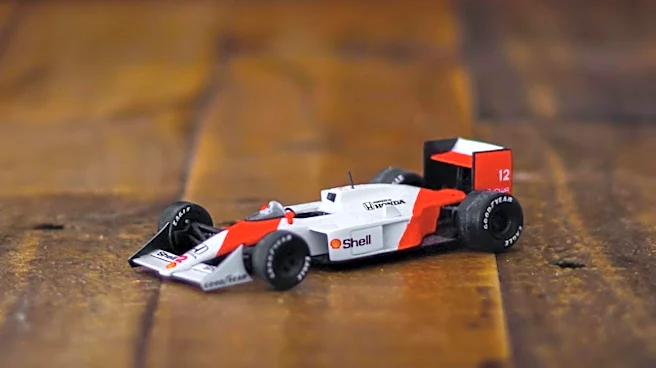
Week. HRC US, which leads all Honda and Acura racing programs in North America, will handle the sale and meticulous restoration of these historic vehicles. The first car available through this program is the Sebring-winning V8-powered #26 XM Satellite Radio AGR Acura ARX-01a, which won the LMP2 class at the 2007 Sebring 12 Hours. Restorations are performed with unmatched authenticity, utilizing original homologation documents, notes, and photographs from the original HRC engineers, and supported by extensive technical data archives. Each race car undergoes a complete tear-down and reassembly with new and reconditioned parts, modernized electronics, and rebuilt engines at HRC US headquarters in Santa Clarita, California. Post-restoration, vehicles are track-tested, and HRC engineers offer track support to new owners. The program also includes sales of consumer performance parts, merchandise, and historic memorabilia, such as genuine engine components from the McLaren MP4/5B and premium scale models of the Honda RA272 Formula One race car.
Why It's Important?
This program is significant for several reasons. Firstly, it provides a unique opportunity for racing enthusiasts and collectors in North America to own a piece of motorsports history, complete with authentic restoration and ongoing support from the original manufacturer. This could elevate the value and accessibility of these historic vehicles, fostering a deeper connection between Honda/Acura's racing legacy and its fanbase. Secondly, it expands HRC US's business model beyond direct racing support to include consumer-facing sales of performance parts, merchandise, and memorabilia, potentially opening new revenue streams and strengthening brand loyalty. The meticulous restoration process ensures the preservation of these vehicles' historical integrity and performance capabilities, which is crucial for maintaining the authenticity of motorsports heritage. Lastly, by offering track support and engineering assistance, HRC US is not just selling cars but also ensuring these machines can continue to be actively used in historic racing competitions, thereby keeping their 'myth and aura' alive, as stated by David Salters, president of HRC US.
What's Next?
The HRC Heritage Racing Program is expected to expand its offerings beyond historic endurance racers to include more Honda-powered IndyCar machines in the future. The program's initial launch during Monterey Car Week, a prominent event for automotive enthusiasts, suggests a strategic effort to reach a dedicated audience. HRC US will continue to offer memorabilia and merchandise at events like the Rolex Monterey Motorsports Reunion. The success of this program could influence other automotive manufacturers to establish similar initiatives, further professionalizing the market for historic race car ownership and restoration. The availability of these restored vehicles for competition means they will likely be seen at various historic racing events, continuing to engage fans and showcase Honda and Acura's engineering prowess. The program's long-term impact will depend on sustained interest from collectors and the continued availability of significant historical vehicles for acquisition and restoration.
Beyond the Headlines
Beyond the immediate commercial aspects, the HRC Heritage Racing Program touches upon the cultural significance of motorsports and the preservation of automotive history. By restoring and re-homologating these vehicles, HRC US is acting as a custodian of a tangible legacy, ensuring that the engineering achievements and competitive spirit embodied by these cars are not lost to time. This initiative also highlights the growing trend of manufacturers engaging directly with the collector market, offering factory-backed authenticity that independent restorers might struggle to match. The program could also serve as an educational tool, allowing new generations to experience and appreciate the technological advancements and design philosophies of past racing eras. The emphasis on authenticity and track readiness suggests a commitment to the functional preservation of these machines, rather than merely static display, which could foster a more dynamic and engaging historic racing scene.