


What's Happening?
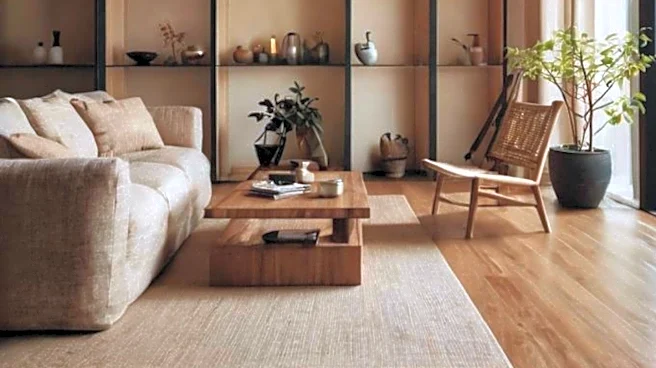
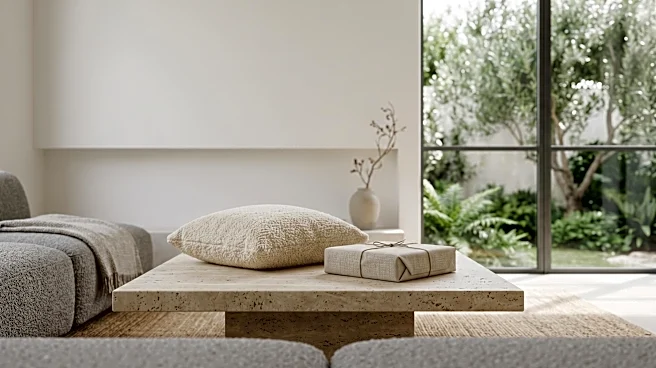
The relationship between cinema and interior design is increasingly evident, with films significantly influencing home decor trends. A notable example is the enduring appeal of Nancy Meyers' film sets, which have inspired a desire for 'Nancy Meyers-esque'
homes characterized by warm neutrals, layered lighting, soft seating, and intentional clutter. This aesthetic aligns with the current 'Coastal Grandmother' trend, suggesting a psychological draw towards composed and comfortable lifestyles, especially during times of uncertainty. Beyond Meyers' influence, other films like 'Practical Magic' have popularized the 'whimsigoth' aesthetic, featuring velvets, lace, moody colors, and magical elements. The article highlights how esteemed magazines provide guides on achieving these film-inspired looks, underscoring the powerful impact of cinematic visuals on personal living spaces. The influence is not one-sided; interior design in films also serves to enrich storytelling and reveal character psychology, as seen in 'Parasite' where contrasting home designs visually depict social discrimination.
Why It's Important?
The strong influence of cinema on interior design trends has significant implications for the home decor industry, retailers, and consumers. It drives demand for specific styles, colors, and furniture pieces, creating market opportunities for designers and manufacturers who can adapt to these cinematic inspirations. For consumers, this trend offers a curated pathway to achieving desired lifestyle aesthetics, often associated with comfort, aspiration, and a sense of escape. The 'Coastal Grandmother' trend, for instance, reflects a broader societal yearning for tranquility and stability, which can be capitalized on by brands offering products that evoke this feeling. Furthermore, the phenomenon underscores the power of visual media in shaping consumer preferences and cultural aesthetics, demonstrating how entertainment can directly translate into tangible economic activity within the home goods sector. This symbiotic relationship between film and design also highlights the evolving role of media in dictating lifestyle choices.
What's Next?
As cinema continues to evolve and new films capture public imagination, it is likely that new interior design trends will emerge, directly influenced by popular movie aesthetics. Home decor brands and designers will likely continue to monitor cinematic releases for inspiration, potentially leading to faster cycles of trend adoption and product development. We can anticipate more collaborations between film production designers and home furnishing companies, or even dedicated collections inspired by popular movie sets. Consumers may see an increased availability of 'movie-inspired' decor lines, making it easier to replicate on-screen aesthetics in their own homes. Additionally, the ongoing desire for comfort and aspirational living, particularly in response to global uncertainties, suggests that trends like 'Coastal Grandmother' will likely persist or evolve into similar comfort-focused aesthetics, continuing to shape purchasing decisions in the home decor market.
Beyond the Headlines
The deep connection between cinema and interior design extends beyond mere aesthetic replication; it touches upon deeper psychological and cultural dimensions. The desire to emulate film sets in one's home can be seen as an attempt to inhabit a narrative, to bring the comfort, aspiration, or fantasy of a cinematic world into daily life. This trend reflects a broader cultural phenomenon where media consumption increasingly blurs the lines between fiction and reality, influencing personal identity and lifestyle choices. Ethically, this raises questions about authenticity and originality in design, as consumers might prioritize replicating a look over developing a unique personal style. Legally, there could be implications for intellectual property if designs are too closely copied from copyrighted film sets. Culturally, it signifies how visual storytelling shapes our understanding of ideal living spaces and contributes to a collective aesthetic consciousness, where shared cinematic experiences translate into shared design aspirations.