



What's Happening?
Chad Carney, a Smart Home Automation Expert from AV and Automation Specialist, LLC, has provided insights on smart device compatibility in an article published by HelloNation. The article addresses how homeowners can evaluate their existing connected
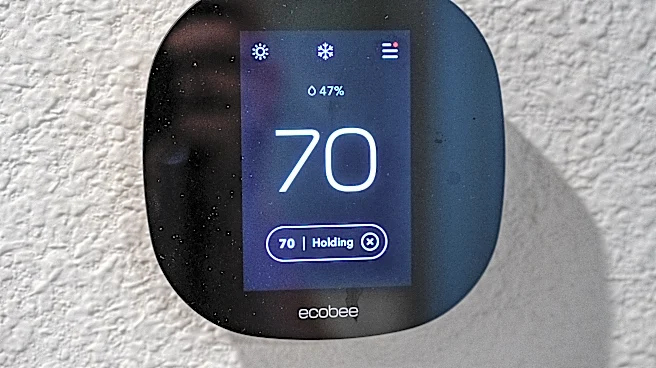
devices before integrating them into a larger home automation system. It highlights that many homeowners already possess smart speakers, lighting, thermostats, locks, and cameras, and that integrating these into a new system doesn't always necessitate replacement. A key factor in compatibility is the communication protocol used by devices, such as Wi-Fi, Bluetooth, Zigbee, Z-Wave, Thread, or Matter. While some automation platforms support multiple standards directly, others may require a compatible hub, bridge, or controller. Software support is also crucial, as a device might connect to a network but not support all features offered by an automation platform. The article advises homeowners to review each device type, platform, and available function, especially for devices like smart locks, security equipment, and motorized shades, which may use proprietary technology.
Why It's Important?
The insights from Chad Carney are vital for U.S. homeowners and the smart home industry as they navigate the complexities of integrating diverse smart devices. The growing adoption of smart home technology means that many consumers already have a collection of devices, and the ability to integrate these seamlessly into a unified system is critical for user satisfaction and market growth. Incompatibility issues can lead to frustration, increased costs due to unnecessary replacements, and a fragmented user experience. By emphasizing the importance of evaluating communication protocols, software support, and network reliability, Carney's advice helps consumers make informed decisions, ensuring dependable control and functionality within their smart homes. This guidance can prevent a single poorly supported device from disrupting an entire automation routine, which is essential for the reliability and perceived value of smart home systems. For businesses, understanding these compatibility challenges can inform product development and customer support strategies.
What's Next?
As the smart home market continues to expand, the issue of device compatibility will remain a significant focus. The article's emphasis on the Matter standard suggests a future where more devices will adhere to a common protocol, potentially simplifying integration for consumers. However, it also cautions that Matter compatibility doesn't guarantee identical capabilities across all products, indicating that expert evaluation will still be necessary. Homeowners are encouraged to consult Smart Home Automation Experts to review product models, software versions, communication protocols, and platform support before expanding their systems. This suggests a growing demand for professional smart home integration services. Manufacturers will likely continue to develop products that are more universally compatible or offer clearer guidance on integration. The ongoing evolution of communication protocols and software will necessitate continuous education for both consumers and professionals to ensure optimal smart home performance and user experience.
Beyond the Headlines
The discussion around smart device compatibility touches upon deeper implications for consumer autonomy and data control. When devices rely on proprietary technology or specific vendor servers, homeowners can become locked into particular ecosystems, limiting their choices and potentially raising concerns about data privacy and long-term device functionality if a vendor discontinues support. The push for open standards like Matter represents a move towards greater interoperability and consumer choice, empowering users to build more flexible and resilient smart home systems. However, the complexity of evaluating device capabilities and ensuring reliable integration still presents a barrier for many. This highlights the need for transparent product information and robust industry standards that prioritize user experience and data security. Ultimately, the evolution of smart home compatibility will shape how much control individuals have over their living environments and the data generated within them.