







What's Happening?
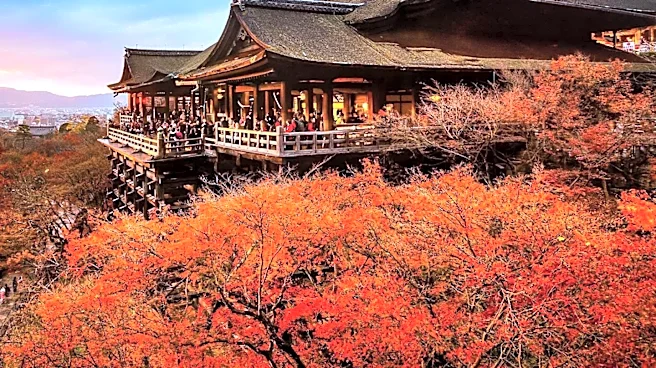
Kyoto, Japan, is emphasizing its traditional accommodation options and culinary heritage to attract travelers. The city offers a diverse range of lodging, from compact capsule hotels to luxurious tower suites, with a particular focus on experiences like
staying in a ryokan in the Higashiyama district. These traditional inns often include rituals such as tatami rooms and kaiseki dinners, which are presented as integral parts of the stay rather than just a place to sleep. The city's approach to tourism highlights the importance of accommodation as a key element of the travel experience, encouraging visitors to consider their lodging choices with the same care they apply to planning visits to temples or restaurants. This strategy aims to provide a deeper cultural immersion for tourists.
Why It's Important?
This focus on traditional stays and culinary experiences in Kyoto is important for several reasons. It helps preserve and promote Japan's rich cultural heritage by encouraging visitors to engage with authentic local customs and traditions. For the tourism industry, it differentiates Kyoto from other destinations, offering a unique value proposition beyond standard hotel accommodations. This approach can also support local businesses, including traditional inns, restaurants, and artisans, who benefit from the demand for authentic experiences. By emphasizing the cultural aspect of travel, Kyoto aims to attract a segment of tourists who seek more meaningful and immersive journeys, potentially leading to higher visitor satisfaction and repeat visits. This strategy also contributes to the sustainable development of tourism by valuing and maintaining local traditions.
What's Next?
Kyoto is likely to continue refining its offerings to enhance the traditional travel experience. This could involve further development of curated packages that combine traditional stays with cultural activities, such as tea ceremonies, craft workshops, or guided tours of historic districts. There may also be increased efforts to market these unique experiences to international travelers, highlighting the distinctiveness of Kyoto's cultural tourism. Local businesses and tourism boards will likely collaborate to ensure the quality and authenticity of these offerings, potentially leading to new partnerships and initiatives. The city might also explore ways to integrate modern conveniences with traditional settings to cater to a broader range of preferences while maintaining its core cultural identity.
Beyond the Headlines
The emphasis on traditional stays in Kyoto reflects a broader trend in global tourism towards experiential travel, where visitors seek authentic cultural immersion rather than just sightseeing. This approach has deeper implications for cultural preservation, as it incentivizes the maintenance of traditional architecture, customs, and culinary practices. It also raises questions about the balance between accommodating modern tourist demands and safeguarding the integrity of historical sites and local communities. The success of this strategy could influence other destinations to adopt similar models, promoting a more responsible and culturally sensitive form of tourism. Furthermore, it highlights the economic value of cultural heritage, demonstrating how traditional practices can be a significant driver of local economies.