





What's Happening?
Certain beverages are being highlighted as beneficial additions to a healthy lifestyle, particularly for their anti-inflammatory properties. These drinks can serve as nutritious alternatives to sugar-sweetened options, which are often linked to chronic
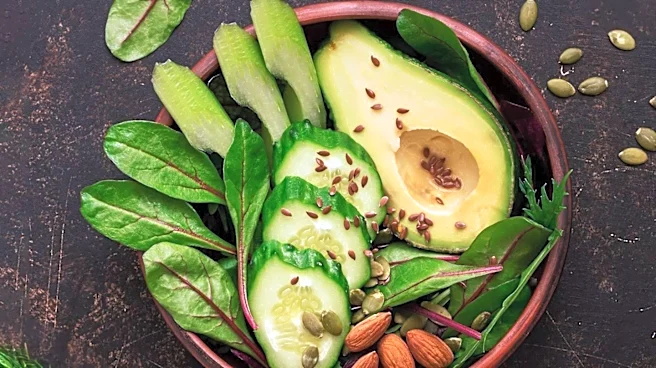
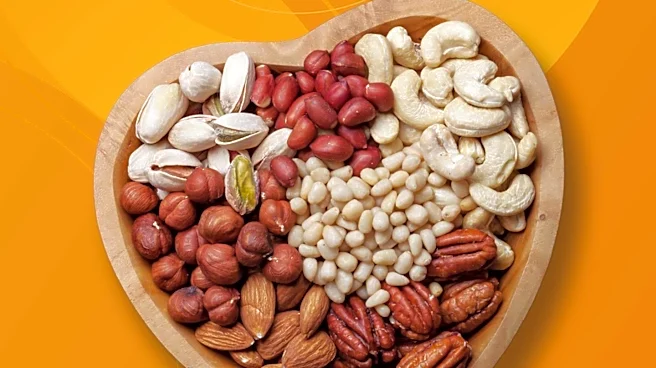
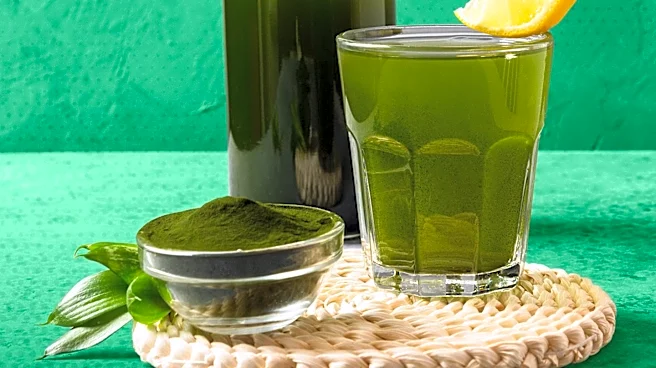
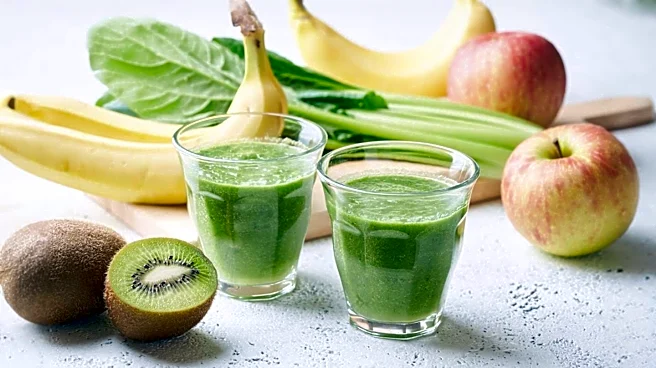
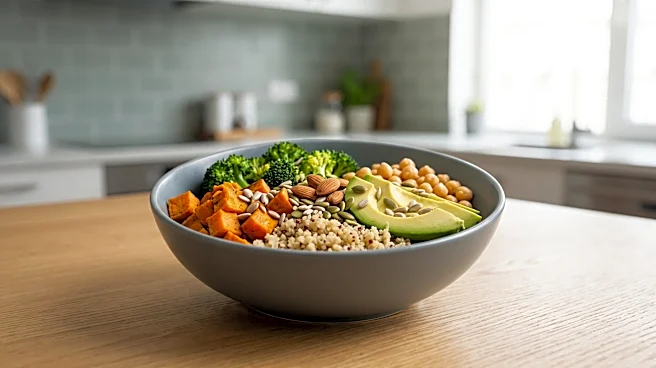
inflammation. Registered dietitian nutritionist Lavanya Kethamukkala emphasizes that while no single beverage can eliminate inflammation, incorporating options like green tea, ginger tea, and tart cherry juice can effectively boost daily nutrition habits. Green smoothies, when made with anti-inflammatory ingredients such as leafy vegetables and fruits, can also contribute antioxidants, vitamins, minerals, and fiber, supporting gut health and reducing oxidative stress. However, green juices are noted to be less helpful due to the removal of fiber and potentially high amounts of fruit-derived sugar in commercially prepared versions. The focus remains on an overall dietary pattern rich in fruits, vegetables, legumes, whole grains, nuts, seeds, and healthy fats.
Why It's Important?
The emphasis on anti-inflammatory beverages is important for public health in the U.S. as it offers a simple and accessible way for individuals to improve their dietary habits and potentially mitigate chronic inflammation. Chronic inflammation is a significant concern, linked to various health issues, and the consumption of sugary drinks is a known contributor. By promoting healthier beverage choices, there's potential to reduce the prevalence of inflammation-related conditions. This shift encourages consumers to make more informed decisions about what they drink, moving away from low-nutrient options towards those that provide tangible health benefits. The advice from nutrition experts like Lavanya Kethamukkala underscores the importance of a holistic dietary approach, where beverages complement a broader intake of anti-inflammatory foods, rather than being seen as a standalone solution. This guidance can empower individuals to take proactive steps in managing their health through diet.
What's Next?
Consumers are encouraged to integrate anti-inflammatory beverages into their daily routines, replacing less nutritious options. This involves making conscious choices at grocery stores and when preparing drinks at home. The continued education from nutritionists and health professionals will likely focus on the benefits of these beverages within the context of an overall healthy diet. There may be an increased demand for products like green tea, ginger tea, and tart cherry juice, as well as ingredients for homemade green smoothies. Food and beverage manufacturers might respond by offering more anti-inflammatory drink options, though consumers will need to be discerning about added sugars and processing. Further research into the specific anti-inflammatory mechanisms and long-term health impacts of these beverages could also emerge, refining dietary recommendations.
Beyond the Headlines
Beyond the immediate health benefits, the promotion of anti-inflammatory beverages reflects a broader cultural shift towards preventative health and mindful consumption in the U.S. It highlights a growing awareness of the link between diet and chronic disease, moving beyond simply treating symptoms to addressing root causes through lifestyle choices. This trend also challenges the pervasive marketing of sugary drinks, encouraging a re-evaluation of common dietary staples. Ethically, it raises questions about food labeling and the responsibility of manufacturers to provide transparent information about ingredients, especially concerning sugar content in seemingly healthy options like juices. The emphasis on whole foods and natural ingredients also aligns with a growing desire for less processed and more sustainable food systems, potentially influencing agricultural practices and consumer demand for organic and locally sourced produce.