




What's Happening?
Virginia Humanities is providing grant support for the 'Rappahannock Reads' program, a community-wide reading initiative centered around ecologist Dr. Douglas W. Tallamy's book, 'Nature’s Best Hope.' This program, organized by the Central Rappahannock Regional
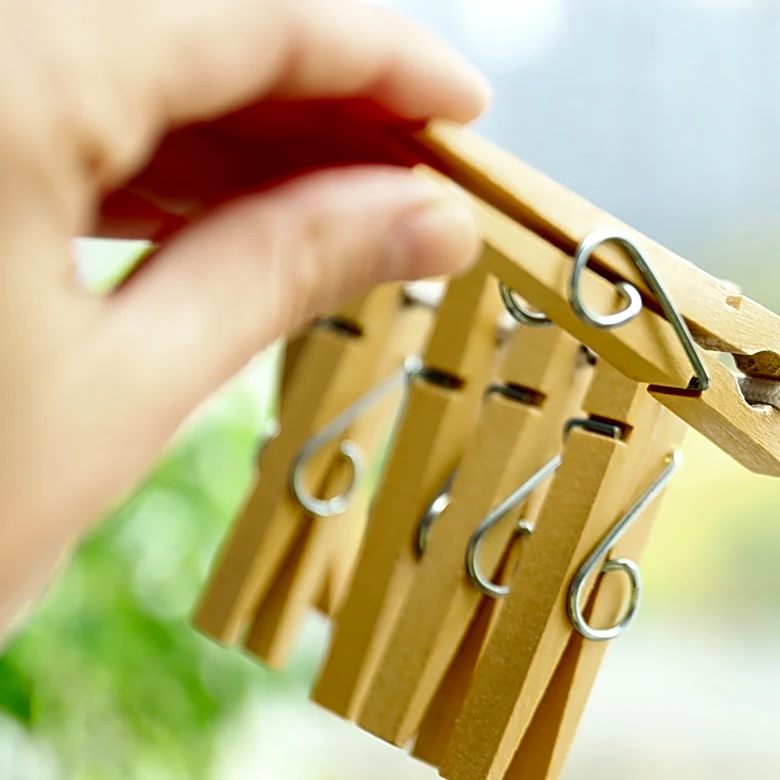
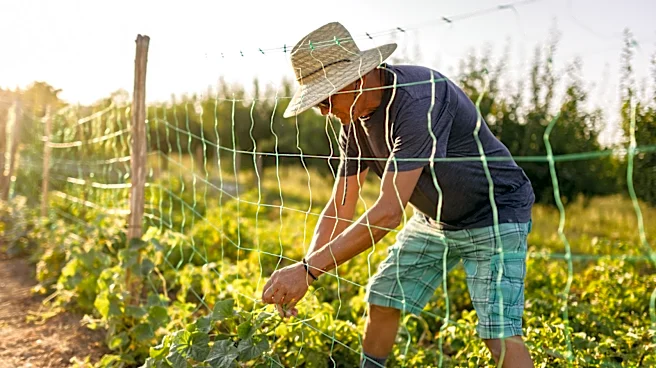
Library and local conservation partners, aims to engage both adult and young readers. As part of the initiative, various events are being held, including a session on 'Gardening by the Month, Tool Cleaning and Sharpening' presented by the Master Gardeners Association of the Central Rappahannock Area. This particular event offers practical gardening tips and advice on tool maintenance. Virginia Humanities, an affiliate of the National Endowment for the Humanities, supports programs that bring people together and honor shared humanity, aligning with the goals of community engagement and education promoted by 'Rappahannock Reads.'
Why It's Important?
The 'Rappahannock Reads' program, bolstered by Virginia Humanities' grant, plays a significant role in fostering community engagement and promoting literacy and environmental awareness. By focusing on a book like 'Nature’s Best Hope,' the initiative encourages residents to consider their local ecosystems and the importance of conservation. Community-wide reads can spark dialogue, shared learning experiences, and collective action on important topics. The practical workshops, such as gardening and tool maintenance, provide tangible skills and connect theoretical knowledge from the book to everyday life. This type of local programming, supported by humanities organizations, strengthens community bonds, enhances educational opportunities outside traditional settings, and encourages civic participation in environmental stewardship.
What's Next?
The 'Rappahannock Reads' program will continue to host various events related to the themes of 'Nature’s Best Hope.' These events are designed to further engage the community with the book's content and its implications for local environmental practices. Future sessions may include discussions, additional workshops, or presentations by experts on ecology and conservation. The Central Rappahannock Regional Library and its partners will likely continue to promote these activities to maximize community participation. Virginia Humanities will continue its role in supporting such initiatives, potentially funding similar programs in other regions or expanding the scope of 'Rappahannock Reads' based on its success and community feedback. The ongoing impact will be measured by increased community engagement, environmental awareness, and practical application of conservation principles.
Beyond the Headlines
The support from Virginia Humanities for 'Rappahannock Reads' highlights the broader role of humanities organizations in fostering civic discourse and community well-being. Beyond simply promoting reading, these programs create platforms for shared intellectual experiences that can lead to tangible community benefits, such as increased environmental consciousness and local action. The choice of 'Nature’s Best Hope' as the central text underscores a growing societal interest in ecological literacy and sustainable living. This initiative also demonstrates how local libraries and humanities councils serve as vital hubs for community education and cultural enrichment, bridging academic knowledge with practical application and fostering a sense of collective responsibility towards the environment. It exemplifies how humanities funding can directly impact local communities by promoting critical thinking and civic engagement.