




What's Happening?
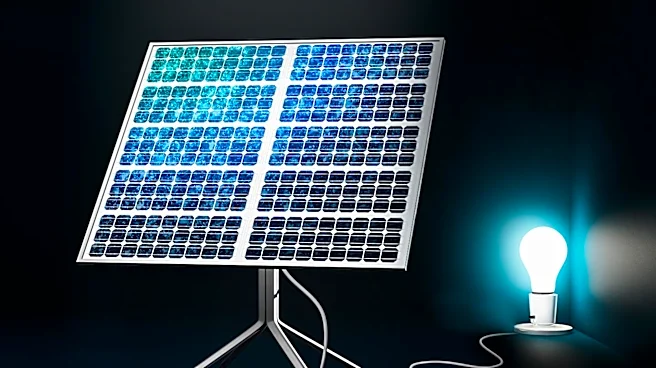
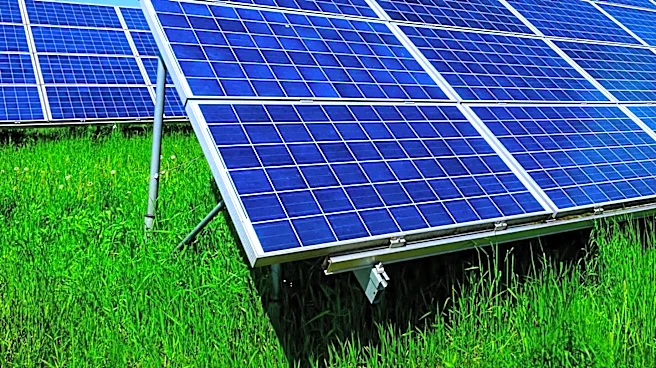
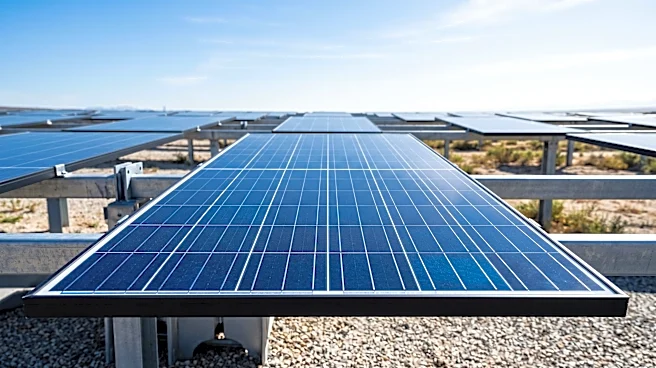
DTE Energy has announced plans to add up to 150 megawatts of new solar energy in Michigan. This initiative aims to create construction jobs, support local communities, and reduce fuel costs for customers. The company is launching a competitive bidding
process for these new Michigan-based solar generation projects. According to DTE Energy, solar generation does not require fuel, which will help reduce the company’s exposure to fluctuating fuel prices over the projects' operational lives. These projects are part of DTE’s broader commitment to providing reliable, increasingly clean, and affordable energy, and contribute to its goal of achieving net-zero carbon emissions. The procurement supports the requirements of a settlement agreement in Michigan Public Service Commission Case No. U-21662, approved on May 15, 2025.
Why It's Important?
This development is significant for Michigan's energy landscape and the broader U.S. renewable energy sector. By investing in solar power, DTE Energy is directly addressing the need for cleaner energy sources and reducing reliance on fossil fuels, which aligns with national environmental goals. The creation of construction jobs and the influx of tax revenue into local communities will provide economic benefits, supporting local economies. Furthermore, by reducing exposure to fuel price volatility, DTE aims to stabilize and potentially lower energy costs for its customers, which is crucial for household budgets and business operations. This move also reinforces Michigan's position as a state actively transitioning towards a more sustainable energy future, potentially influencing other states and utility providers to follow suit.
What's Next?
DTE Energy is currently seeking competitive proposals for the up to 150 megawatts of new solar generation. Interested bidders must submit their proposals by January 19, 2027, with DTE expecting to execute contracts in the second or third quarter of 2027. The projects are required to achieve commercial operation by June 30, 2030, and must be located in Michigan, connecting to either the MISO transmission system or DTE’s distribution system. This timeline indicates a structured approach to expanding renewable energy capacity. The successful implementation of these projects will contribute to DTE’s 2026 Integrated Resource Plan, which calls for an additional 15 gigawatts of renewable energy by 2042, further solidifying Michigan's clean energy transition.
Beyond the Headlines
This initiative by DTE Energy reflects a growing trend among U.S. utility companies to integrate more renewable energy into their portfolios, driven by both environmental concerns and economic considerations. The shift towards solar power, which does not require fuel, offers a strategic advantage in mitigating the financial risks associated with volatile global fuel markets. This could lead to a more stable and predictable energy cost environment for consumers in the long term. Moreover, the emphasis on local job creation and community investment through these projects highlights a model where environmental sustainability and economic development are pursued in tandem, potentially setting a precedent for future large-scale infrastructure projects across the nation.