






What's Happening?
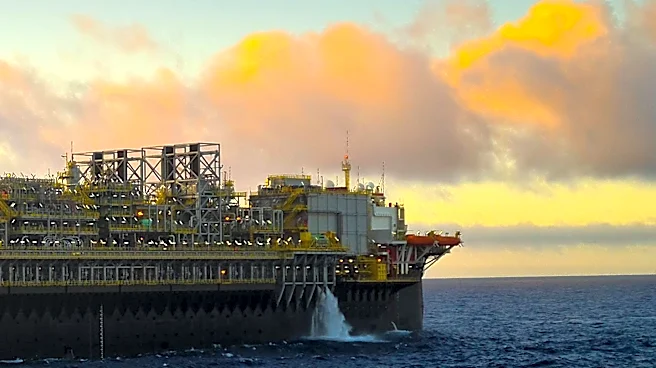
Petrobras has awarded a contract to Strohm B.V. and its Brazilian subsidiary for the supply of thermoplastic composite pipe (TCP). This TCP will be utilized for water injection and gas lift applications in Brazil's deepwater post-salt province. The contract encompasses
the supply of the pipe, qualification testing, project engineering, field services, and support for offshore trials and installation. The TCP is designed for deployment in water depths up to 1,500 meters. Petrobras intends to evaluate this technology under actual operating conditions, including its handling and installation from standard pipelay vessels within its fleet. Strohm's TCP is constructed from carbon or glass fiber and polymers like polyethylene or polyamide, offering a spoolable and non-corrosive alternative to traditional flexible and rigid pipelines. The specific value of the contract, the volume of pipe to be supplied, and the exact post-salt fields for deployment have not been disclosed by the companies.
Why It's Important?
This contract signifies a notable advancement in offshore energy infrastructure, particularly for deepwater operations. The adoption of thermoplastic composite pipe (TCP) by a major energy company like Petrobras highlights a growing industry trend towards lighter, more efficient, and potentially more cost-effective solutions for subsea applications. TCP's non-corrosive nature and lighter weight compared to conventional pipelines could lead to reduced maintenance costs, simplified logistics, and faster installation times, thereby improving operational efficiency and lowering production costs in challenging deepwater environments. For Strohm, this agreement serves as a significant endorsement of its technology and capabilities, potentially opening doors for further market penetration and development within Brazil and other deepwater regions. The successful implementation and assessment of this technology by Petrobras could set a new standard for pipeline materials in the deepwater sector, influencing future procurement decisions across the global oil and gas industry.
What's Next?
Petrobras will proceed with the assessment of Strohm's TCP technology under real-world operating conditions, focusing on its handling and installation from existing pipelay vessels. This evaluation phase is crucial for determining the broader applicability and long-term benefits of TCP in deepwater projects. Following successful trials and installation, the technology could be more widely adopted across Petrobras's operations, potentially leading to further contracts for Strohm and other TCP manufacturers. The project is expected to pave the way for additional developments in Brazil, as Strohm's Vice President, Renato Bastos, indicated. The industry will likely monitor the outcomes of this deployment closely, as it could influence future investment and technological shifts in subsea infrastructure, particularly concerning materials and installation methodologies for deepwater oil and gas extraction.
Beyond the Headlines
The adoption of thermoplastic composite pipe (TCP) by Petrobras represents a broader shift towards innovative materials and sustainable practices within the energy sector. Beyond the immediate operational efficiencies and cost reductions, the non-corrosive nature of TCP could significantly reduce the environmental impact associated with pipeline failures and maintenance, which often involve the release of hydrocarbons or other substances into marine ecosystems. This move also underscores the increasing importance of advanced material science in addressing the complex challenges of deepwater exploration and production. The lightweight and spoolable characteristics of TCP could also lead to a reduction in the carbon footprint associated with transportation and installation activities, aligning with global efforts to decarbonize industrial operations. This technological embrace by a major player like Petrobras could accelerate the transition away from traditional, heavier materials, fostering a more resilient and environmentally conscious approach to energy infrastructure development.