




What's Happening?
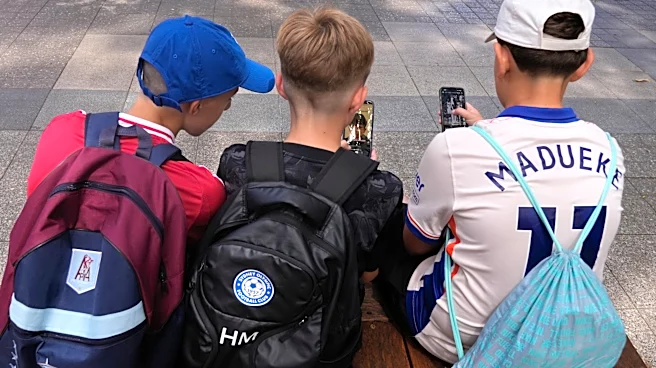
The dairy industry, particularly the Milk Processor Education Program (MilkPEP), is actively engaging social media influencers to reverse a decline in milk consumption among Generation Z. This initiative comes as data indicates that Gen Z drinks 20% less
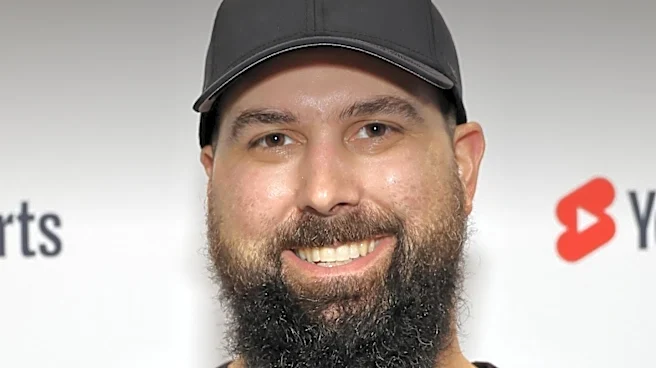
milk than the national average, and fewer than one-third of U.S. high school students consume at least one glass of milk daily. MilkPEP has launched campaigns like 'Gonna Need Milk' and the YouTube series 'milkXP,' which pairs educational experts with creators such as Harper Zilmer and Sean Sotaridona. These campaigns aim to promote milk's nutritional benefits, particularly its role in focus and bone health, by integrating it into content related to topics like financial literacy. The industry is also reaching Gen Z on platforms like Roblox and Snapchat, utilizing anime commercials and Fortnite games, and has seen whole milk reintroduced into federally funded school lunches through the 'Whole Milk for Healthy Kids Act.'
Why It's Important?
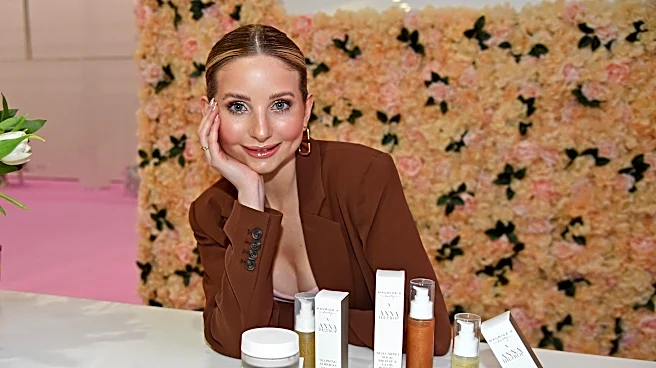
This strategic shift by the dairy industry is crucial for its long-term viability, as declining consumption among younger demographics poses a significant threat to future market demand. The reliance on influencers like Harper Zilmer, who has over 14 million followers, demonstrates an understanding of how to effectively reach Gen Z, a generation that often distrusts traditional advertising. By framing milk as a 'focus benefit' and integrating it into educational content, MilkPEP aims to make milk 'cool' and relevant again, countering the appeal of energy drinks and plant-based alternatives. The reintroduction of whole milk in schools is also a critical step, as it directly addresses a key consumption environment for young people and could help establish milk-drinking habits early on. If successful, these efforts could stabilize or even increase dairy consumption, mitigating potential public health concerns like osteoporosis in future generations, as highlighted by Dr. Mark Corkins.
What's Next?
The dairy industry will likely continue to expand its influencer marketing and digital engagement strategies, adapting to new platforms and content formats popular with Gen Z. Future campaigns may explore additional educational themes or lifestyle integrations to further embed milk into the daily routines and perceptions of young consumers. The industry will closely monitor the effectiveness of programs like 'milkXP' and the 'Gonna Need Milk' campaign through metrics such as engagement rates, brand sentiment, and ultimately, sales data. There may also be continued advocacy for policies that support dairy consumption, such as further integration of milk options in school programs. Addressing the 'embarrassment' factor associated with drinking dairy milk among some Gen Z individuals will remain a key challenge, requiring nuanced and culturally relevant messaging to shift perceptions and foster a positive association with milk.
Beyond the Headlines
The dairy industry's pivot to influencer marketing and digital platforms reflects a broader trend in consumer goods, where brands must constantly innovate their communication strategies to connect with younger, digitally native audiences. This approach highlights the power of peer influence and authentic content over traditional advertising. However, it also raises questions about the ethical implications of marketing health products through influencers, particularly to impressionable young people. The debate surrounding whole milk's reintroduction into schools, with its high saturated fat content, also touches on ongoing public health discussions about dietary guidelines and the influence of industry lobbying on policy. This situation underscores the complex interplay between public health, consumer behavior, and corporate marketing in shaping dietary trends and long-term health outcomes for a generation.