







What's Happening?
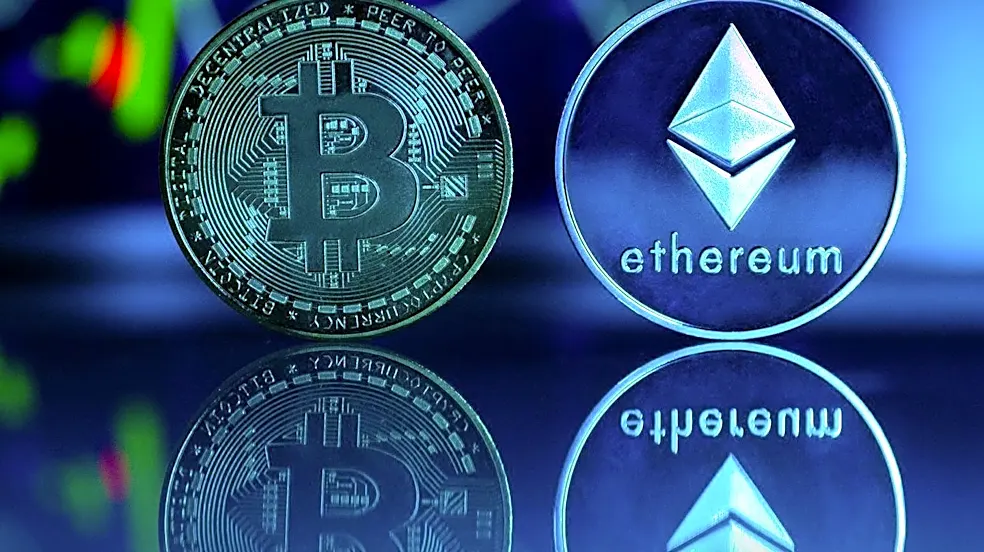
Bitcoin (BTC) and Ethereum (ETH) are fundamentally different cryptocurrencies designed for distinct purposes, leading to varied investment theses and risk profiles. Bitcoin, launched in 2009, primarily functions as decentralized digital money with a fixed
maximum supply of 21 million coins, often compared to digital gold due to its scarcity. Its consensus mechanism is proof-of-work. Ethereum, launched in 2015, is a programmable blockchain platform enabling smart contracts and decentralized applications (dApps), with Ether (ETH) as its native asset used for transaction fees and network security through proof-of-stake. Unlike Bitcoin, Ethereum does not have a fixed maximum supply; its supply dynamics involve issuance to validators and burning of transaction fees. Both cryptocurrencies are speculative assets subject to significant price volatility due to investor sentiment, macroeconomic conditions, and regulatory developments, but their underlying economics and risks differ based on their core functionalities.
Why It's Important?
Understanding the fundamental differences between Bitcoin and Ethereum is crucial for investors navigating the cryptocurrency market. Bitcoin's value proposition hinges on its scarcity and role as a store of value, appealing to those seeking a decentralized alternative to traditional monetary systems. Ethereum's importance stems from its utility as a platform for innovation, powering a vast ecosystem of DeFi, NFTs, and other dApps, making its value tied to network usage and application growth. The distinct supply mechanics—Bitcoin's fixed cap versus Ethereum's dynamic supply—create different economic narratives. Bitcoin's more focused purpose may offer a simpler investment thesis, while Ethereum's broader application ecosystem introduces additional complexities and risks related to smart contract vulnerabilities and platform competition. Investors must align their investment goals and risk tolerance with the specific characteristics of each asset rather than viewing them as interchangeable.
What's Next?
The future trajectories of Bitcoin and Ethereum will continue to be shaped by their respective core purposes and evolving market dynamics. Bitcoin's price will likely remain influenced by its adoption as a store of value, macroeconomic factors, and regulatory clarity surrounding its use as a digital asset. Ethereum's growth will depend on the continued expansion of its dApp ecosystem, the success of future network upgrades, and its ability to maintain its position as a leading platform for decentralized innovation. Both will face ongoing scrutiny regarding regulatory frameworks, technological advancements, and competition from other blockchain networks. Investors will need to continuously assess supply growth, demand drivers, and valuation metrics for each asset, recognizing that neither is guaranteed to outperform the other and both carry substantial risks. The interaction between their unique supply and demand dynamics will be key to their long-term performance.
Beyond the Headlines
The divergence in design and purpose between Bitcoin and Ethereum reflects a broader philosophical split within the blockchain space: one focused on monetary revolution and the other on technological infrastructure. Bitcoin's 'digital gold' narrative challenges traditional finance, while Ethereum's 'world computer' vision aims to decentralize various industries. This distinction highlights the multifaceted potential of blockchain technology beyond just currency. The risks associated with each also differ profoundly; Bitcoin's risks are primarily market-driven and regulatory, whereas Ethereum's include application-specific risks like smart contract exploits, which can have cascading effects across its ecosystem. This ongoing evolution underscores the need for investors to conduct thorough due diligence, understanding not just price movements but the underlying technology, economic models, and potential societal impacts of each cryptocurrency. The choice between BTC and ETH often comes down to an investor's belief in either a scarce digital asset or a programmable, decentralized future.