



What's Happening?
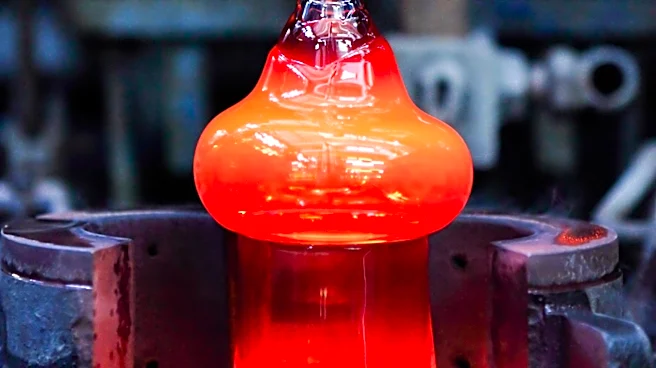
Emmanuel Aguilera-Santos, a glass artist in Everett, Washington, has converted his backyard dance studio into a specialized hotshop for glassblowing. This transformation, which began in 2022, involved installing industrial equipment such as a furnace,
a glory hole, and an annealing oven. Aguilera-Santos, who previously taught salsa dancing from this studio, has shifted his focus entirely to glass art. His work, which includes glass cacti and Mesoamerican-inspired figures, draws on his Mexican heritage and Pacific Northwest influences. He has been working at Dale Chihuly's famed boat house studio since 2004, initially as a loader, and has since developed his unique artistic style, incorporating elements like nopales (cactus pads) and Olmec-inspired heads into his glass sculptures. He also teaches glassblowing workshops, including the first Spanish-taught class at the Pilchuck Glass School.
Why It's Important?
This development highlights the evolving landscape of independent artistry and entrepreneurship in the U.S., particularly within specialized crafts like glassblowing. Aguilera-Santos's transition from a dance instructor to a full-time glass artist, establishing his own hotshop, exemplifies the dedication and resourcefulness required to pursue niche artistic careers. His work, which fuses Mesoamerican ancestry with Northwest artistry, contributes to the cultural diversity of the American art scene and provides a unique perspective on heritage and identity through art. The establishment of his private studio not only allows for greater artistic freedom and production but also serves as a potential hub for community engagement and education, as evidenced by his teaching at Pilchuck. This trend of artists creating dedicated home-based workspaces can foster local economies and enrich cultural offerings, demonstrating the viability of specialized artistic endeavors outside traditional gallery or institutional settings.
What's Next?
Aguilera-Santos plans to continue refining his glassblowing skills, aiming to achieve the status of a glass master within the next nine years, a journey he estimates takes 30 years. His ongoing work will likely involve further exploration of his Mesoamerican themes and the development of new sculptural forms. Given his role as an instructor at Pilchuck Glass School, he may expand his teaching efforts, potentially offering more specialized workshops or continuing to lead classes in Spanish, which could attract a broader and more diverse group of aspiring glass artists. The visibility of his work, including displays at SeaTac airport, suggests potential for increased public recognition and demand for his unique pieces. Future collaborations with other artists or institutions in the Pacific Northwest's vibrant glass art community are also possible, further solidifying his presence in the field.
Beyond the Headlines
Aguilera-Santos's journey underscores the profound connection between personal heritage and artistic expression. His use of glass to interpret Mesoamerican motifs and Olmec figures transcends mere craftsmanship, becoming a powerful medium for cultural storytelling and identity affirmation. In a broader sense, his story reflects the growing movement among artists to reclaim and reinterpret ancestral traditions within contemporary art forms, contributing to a richer, more diverse cultural tapestry in the U.S. The creation of a private hotshop also speaks to the increasing desire for self-sufficiency and control over the creative process, allowing artists to operate outside conventional commercial pressures. This model of independent artistic production, rooted in personal narrative and cultural heritage, offers a compelling alternative to more mainstream art practices and can inspire other artists to explore their own unique backgrounds through their craft.