







What's Happening?
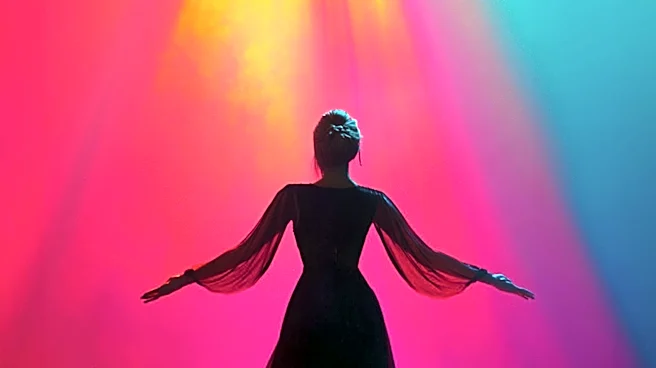
The National Theatre is presenting a unique production titled Electra/Persona, directed by Benedict Andrews. This innovative show combines Sophocles' ancient Greek tragedy Electra with Ingmar Bergman's modernist film Persona. The production features Cate
Blanchett and Nina Hoss alternating roles between Electra and Clytemnestra, and Elisabeth and Alma. Andrews aims to explore themes of grief and identity by merging these two narratives, creating a cycle of emotional exploration. The production is noted for its radical approach, blending elements from both stories to challenge traditional interpretations of classic texts.
Why It's Important?
This production is significant as it represents a bold reimagining of classic works, highlighting the enduring relevance of ancient narratives in contemporary settings. By combining Greek tragedy with modern cinema, the National Theatre is pushing the boundaries of theatrical storytelling, offering audiences a fresh perspective on timeless themes. This approach not only revitalizes interest in classical literature but also encourages dialogue about the role of theatre in examining societal issues. The involvement of renowned actresses like Cate Blanchett and Nina Hoss further elevates the production's profile, attracting attention from both theatre enthusiasts and the broader public.
What's Next?
The production is expected to continue its run at the National Theatre, potentially influencing future theatrical projects that seek to blend different artistic mediums. The success of Electra/Persona could inspire other directors to explore similar cross-genre collaborations, fostering innovation in the theatre industry. As audiences engage with this unique storytelling approach, there may be increased interest in revisiting and reinterpreting other classic works, leading to a broader cultural impact.
Beyond the Headlines
Electra/Persona's exploration of themes such as grief, identity, and power dynamics resonates with current global issues, including political and moral crises. The production's innovative format challenges traditional theatre conventions, encouraging audiences to reflect on the complexities of human experience. This approach not only enriches the cultural landscape but also prompts discussions about the role of art in addressing contemporary challenges.