





What's Happening?
Beko has released its 2025 Integrated Report, showcasing significant advancements in sustainability and environmental performance. The report highlights Beko's achievements, including energy efficiency projects that saved 69,562 GJ of energy and avoided
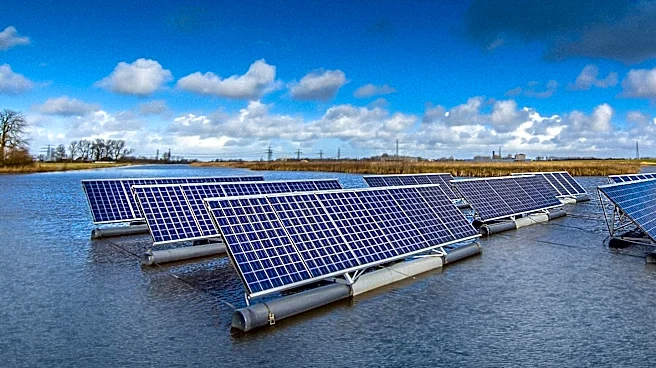
5,297 tonnes of CO2 emissions. The company has also increased its renewable energy capacity to 96 MWp and achieved a 98.6% waste recycling rate. Beko's efforts have earned it a spot on TIME Magazine's list of the World's Most Sustainable Companies for the third consecutive year, maintaining its position as a leader in the household durables industry. The report also details Beko's commitment to the circular economy, with refurbishment centers reintroducing over 148,000 appliances into the market in 2025.
Why It's Important?
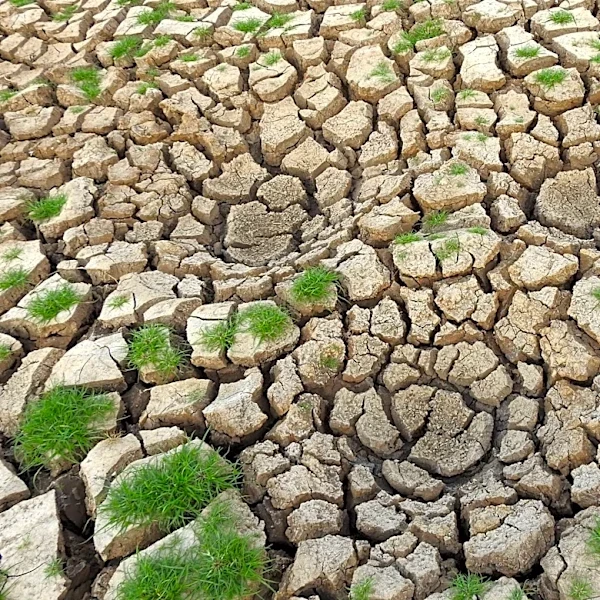
Beko's progress in sustainability is significant as it reflects a growing trend among companies to integrate environmental considerations into their business models. This shift is crucial for addressing global climate challenges and meeting consumer demand for eco-friendly products. Beko's achievements demonstrate the potential for large-scale manufacturers to reduce their environmental impact while maintaining profitability. The company's leadership in sustainability could influence industry standards and encourage other businesses to adopt similar practices, contributing to broader environmental and economic benefits.
What's Next?
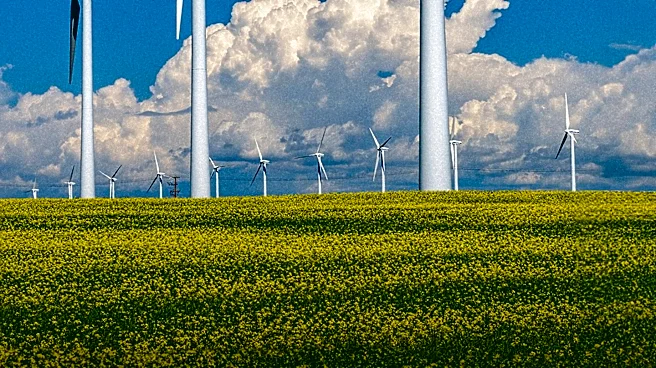
Beko plans to continue its sustainability efforts by expanding its smart factory network and increasing its use of green electricity. The company aims to achieve 100% green electricity across all manufacturing sites by 2030. Beko's ongoing commitment to sustainability will likely involve further innovations in energy efficiency and waste reduction. As the world prepares for COP31, Beko's transparent reporting and measurable progress could serve as a model for other companies seeking to enhance their sustainability credentials.