







What's Happening?
Circuit training, a fitness method developed at the University of Leeds in the 1950s, involves performing a series of exercises consecutively with minimal rest between them, followed by a rest period after completing a full round. This approach integrates
both strength and cardiovascular fitness into a single session. Research indicates that resistance circuit training significantly improves maximum oxygen uptake (VO2 max), a key measure of cardio fitness, and enhances upper-body strength. Studies have shown that programs consisting of 14 to 30 sessions over 6 to 12 weeks, with each session lasting at least 20 to 30 minutes, yield the most substantial improvements. This method can be adapted for all fitness levels and often requires no specialized equipment, making it accessible. It keeps the heart rate elevated throughout the workout by alternating muscle groups, allowing one group to recover while another is working. This efficiency can lead to comparable strength gains in shorter session times compared to traditional straight-set training.
Why It's Important?
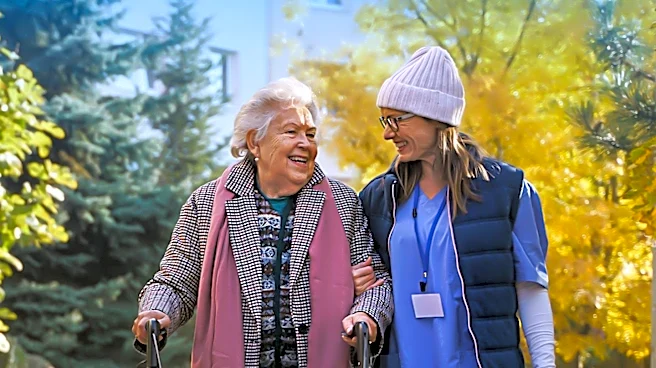
The effectiveness of circuit training in simultaneously boosting both strength and cardiovascular health holds significant implications for public health and fitness practices in the U.S. Its ability to improve VO2 max and upper-body strength efficiently means individuals can achieve comprehensive fitness benefits in less time, potentially increasing adherence to exercise routines. This is particularly relevant in a society where time constraints often hinder consistent physical activity. For older adults, circuit training has been shown to be as effective as traditional strength training in improving strength, lean mass, and bone density, with an added benefit of improved walking economy, which can contribute to greater independence and reduced fall risk. The adaptability of circuit training, requiring minimal to no equipment, makes it a viable option for a wider demographic, including those without access to gyms or specialized facilities, thereby promoting broader participation in physical activity across various socioeconomic groups.
What's Next?
Given its proven benefits and adaptability, circuit training is likely to continue gaining traction as a recommended fitness modality. Fitness professionals and public health initiatives may increasingly incorporate circuit training principles into their programs to maximize efficiency and appeal to diverse populations. Educational campaigns could highlight the advantages of circuit training for individuals seeking to improve overall fitness, manage weight, or enhance athletic performance. Further research might explore optimal circuit training protocols for specific populations, such as those with chronic health conditions or athletes aiming for peak performance. The integration of circuit training into school physical education curricula could also be a future development, aligning with recommendations for children to engage in at least one hour of activity daily, including coordination and agility exercises.
Beyond the Headlines
Beyond its immediate physical benefits, circuit training embodies a broader shift towards more integrated and time-efficient approaches to health and wellness. The method's emphasis on continuous movement and varied exercises can also contribute to improved motor skills, coordination, and mental focus, as individuals must transition quickly between different tasks. This cognitive engagement can be particularly beneficial for children and older adults, supporting brain health alongside physical fitness. The accessibility of circuit training, often requiring only body weight, challenges the notion that extensive equipment or gym memberships are necessary for effective exercise, potentially democratizing fitness. This could lead to a re-evaluation of public and private fitness spaces, encouraging the development of more versatile and inclusive exercise environments that cater to a wider range of needs and preferences.