


![Rumor: Cason Wallace a '[strong] candidate' to sign contract extension with OKC Thunder](https://glance-mob.glance-cdn.com/public/cardpress/binge-magazine-card-generation/spaces/US/en/okc-thunder-wire/images/ppid_d244764d-image-179150135415139017.webp)
What's Happening?
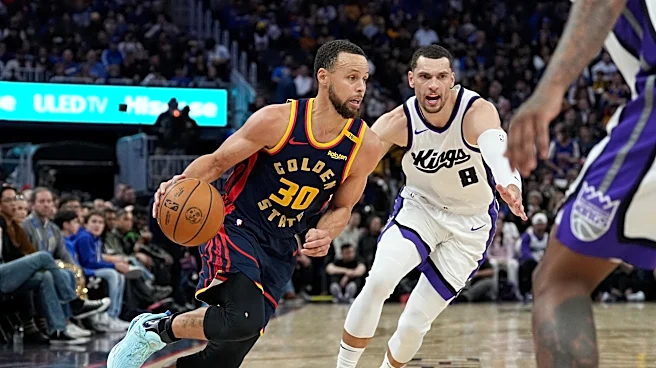
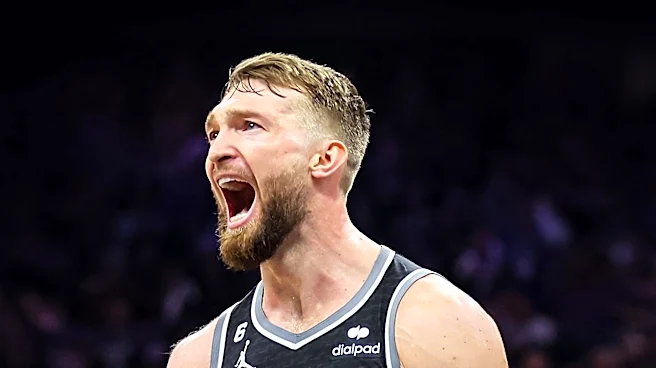
Sacramento Kings General Manager Scott Perry has publicly denied reports that owner Vivek Ranadivé 'roasted' players, coaches, and staff at a recent training camp dinner. The initial report, made by NBA insider Zach Lowe, suggested that Ranadivé's comments
at the dinner were perceived by some attendees as alarming, while others viewed them as an attempt to motivate the team. Perry, who was present at the dinner, stated during an appearance on NBC Sports California’s 'Deuce & Mo' that the event was not a roast and that Ranadivé's message was misinterpreted. According to Perry, Ranadivé began by lightheartedly discussing how he has been viewed in the media, then shifted to addressing the team's and organization's reputation for being disrespected and counted out, aiming to use this as motivation. Perry emphasized that the owner's intention was to inspire the team to prove critics wrong, not to criticize them.
Why It's Important?
This incident highlights the delicate balance between motivational tactics and potential misinterpretation within professional sports organizations. The perception of an owner's communication can significantly impact team morale, player-management relationships, and the public image of the franchise. If the initial reports of a 'roast' were widely believed, it could have created internal discord and external criticism for the Kings, especially given their recent performance. Perry's swift clarification is crucial for managing the narrative and ensuring that the team's focus remains on the upcoming season rather than internal controversies. The differing accounts also underscore the challenges of internal communication in high-stakes environments, where messages can be received differently by various individuals, potentially leading to unintended consequences for team cohesion and performance.
What's Next?
The Sacramento Kings organization will likely continue to manage the narrative surrounding this event, with General Manager Scott Perry's statement serving as the official stance. The team's performance in the upcoming season will ultimately be the most significant factor in how this incident is remembered. If the Kings perform well, Ranadivé's comments, as clarified by Perry, could be seen as a successful motivational tactic. Conversely, if the team struggles, the initial reports of a 'roast' might resurface as a point of contention or a symptom of underlying issues. The incident also serves as a reminder for sports franchises to be mindful of how internal communications are perceived and to proactively address any potential misunderstandings to maintain a positive team environment and public image.
Beyond the Headlines
Beyond the immediate controversy, this situation touches upon the broader dynamics of ownership and leadership in professional sports. Owners often seek to inspire their teams, but the methods employed can vary widely and carry different risks. Ranadivé's approach, even if intended as motivational, demonstrates the fine line between challenging and alienating players and staff. The incident also reflects the intense scrutiny sports franchises face, where even private team dinners can become public news and subject to interpretation. This constant media attention necessitates careful communication strategies from team management to control narratives and protect the team's internal harmony and external reputation. The differing interpretations of the event also highlight the subjective nature of communication and the importance of clear, unambiguous messaging in high-pressure environments.