




What's Happening?
Cortec Corporation has released a comprehensive strategy for preventing corrosion in data center infrastructure. This approach covers all stages of equipment life, from initial fabrication and testing to transport, on-site storage, installation, and ongoing
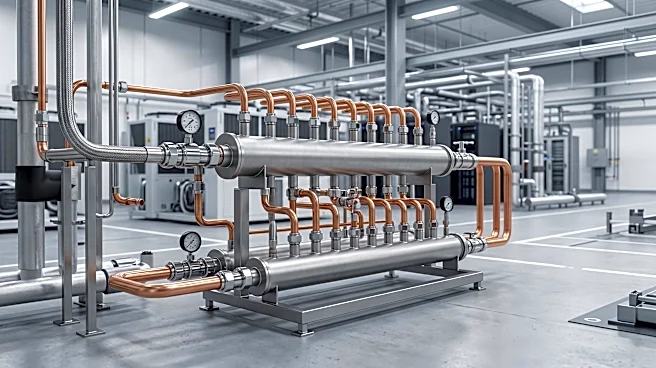
operation, including the layup of spare parts. Scott Bryan, Certified Water Technologist and Director of Business Development – Water Treatment at Cortec, identified eight critical stages where corrosion prevention is necessary. These stages include factory fabrication and testing, preparation for transit, on-site storage, post-installation standby, protection of electrical enclosures, final cleaning and flushing, commissioning tests, and operation and layup of spares. The company emphasizes that early-stage corrosion can lead to significant issues, such as unplanned cleaning, increased costs, and delays in commissioning. Cooling systems are highlighted as a particular concern, as residual moisture from hydrostatic testing can cause flash corrosion within hours. Cortec recommends using specific corrosion inhibitors like VpCI®-649 in cleaning and test water and offers solutions such as VpCI®-126 HP UV Shrink Film for external protection and VpCI® Dragon™ for internal fogging of equipment.
Why It's Important?
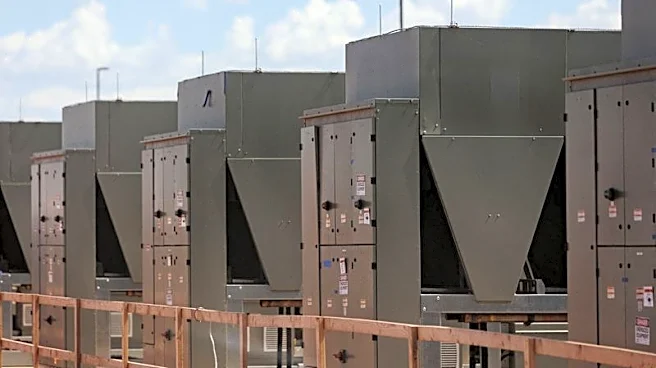
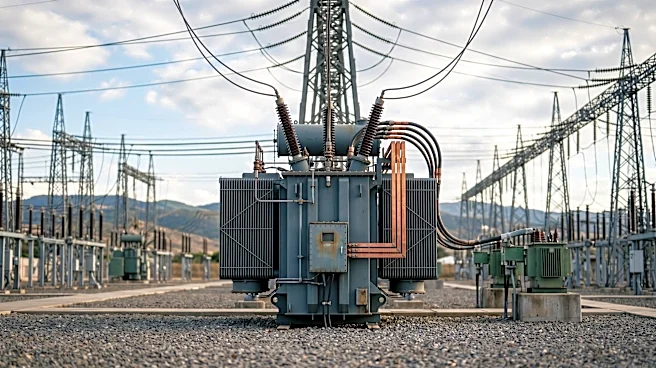
The detailed corrosion prevention strategies outlined by Cortec Corporation are crucial for the U.S. data center industry, which relies heavily on the continuous and reliable operation of its infrastructure. Corrosion can lead to costly equipment failures, operational downtime, and significant financial losses for data center operators. By implementing these preventative measures, companies can extend the lifespan of critical equipment like chillers, transformers, and electrical components, thereby reducing capital expenditure on replacements and maintenance. This proactive approach also helps avoid delays in project commissioning, ensuring that new data centers or expansions become operational on schedule. The protection of electrical and electronic components is particularly vital, as corrosion in these areas can lead to system malfunctions and data integrity issues. Ultimately, these strategies contribute to the overall resilience and efficiency of the U.S. digital infrastructure, supporting various sectors that depend on robust data center performance.
What's Next?
Data center operators and infrastructure providers in the U.S. are likely to evaluate and potentially adopt Cortec's recommended corrosion prevention strategies. The industry may see an increased focus on integrating these protective measures into standard operating procedures and procurement specifications for new equipment. Manufacturers of data center components could also incorporate these corrosion-inhibiting technologies directly into their products to offer enhanced durability. Furthermore, as awareness of corrosion risks grows, there may be a push for industry-wide best practices and standards that mandate comprehensive corrosion control. This could lead to more specialized training for technicians involved in data center maintenance and construction, ensuring proper application of protective materials. The long-term impact could be a reduction in unexpected outages and a more stable, cost-effective operational environment for data centers across the nation.
Beyond the Headlines
The emphasis on corrosion prevention in data centers extends beyond immediate operational benefits, touching upon broader implications for sustainability and technological advancement. By prolonging the life of data center equipment, these strategies contribute to reduced electronic waste, aligning with growing environmental concerns and circular economy principles. The need for robust infrastructure also highlights the increasing reliance on digital services in all aspects of modern life, from finance to healthcare. Ensuring the longevity and reliability of data centers is therefore not just an economic imperative but also a societal one, as disruptions can have far-reaching consequences. Moreover, the detailed approach to corrosion prevention underscores the complexity of maintaining high-tech environments, where even microscopic degradation can lead to significant failures, pushing the boundaries of material science and engineering in industrial applications.