







What's Happening?
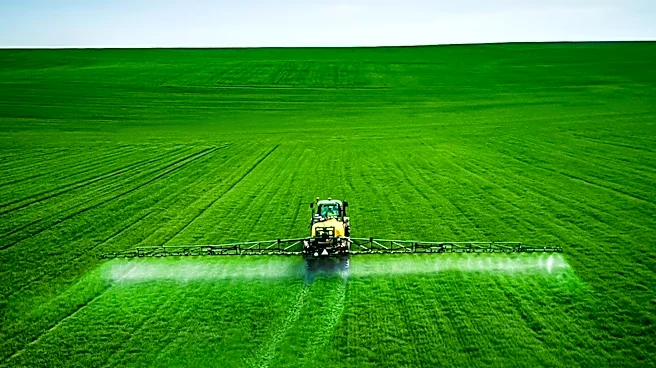
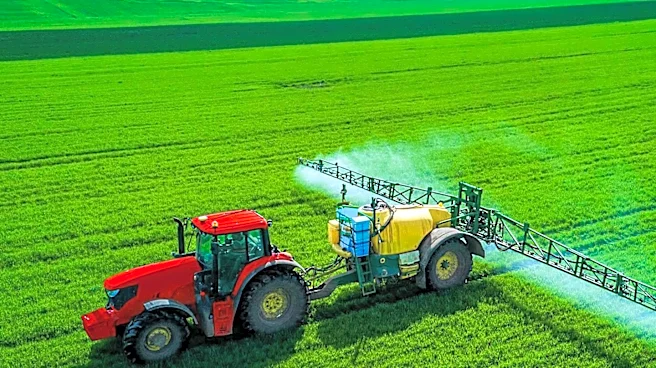
A report by the National Corn Growers Association highlights that U.S. farmers are facing significantly higher costs for seeds, chemicals, and other agricultural inputs compared to their Brazilian counterparts. This disparity is contributing to financial
struggles reminiscent of the 1980s Farm Crisis. The report indicates that U.S. corn seed costs were 68% higher on average than those in Brazil from 2023 to 2025, while soybean growers paid 24% more. The cost of herbicides and fungicides for U.S. farmers is also notably higher, with some prices more than double those in Brazil. These rising input costs are putting immense pressure on American farmers, particularly in major agricultural states like Iowa.
Why It's Important?
The high input costs are eroding the profitability of U.S. farmers, making it difficult for them to compete on the global stage. This financial strain is exacerbated by ongoing trade challenges and low crop prices, threatening the sustainability of family farms and the future of the agricultural sector. The situation underscores the need for increased competition and transparency in the agricultural supply chain to reduce costs. Additionally, the economic pressures could lead to reduced investment in farms and hinder the entry of the next generation of farmers, potentially impacting the long-term viability of U.S. agriculture.
What's Next?
In response to these challenges, there may be increased advocacy for policy changes to enhance competition and transparency in the agricultural industry. The U.S. government might consider additional financial support for farmers to offset rising costs and trade-related losses. Furthermore, there could be a push for innovation in agricultural practices and technologies to improve efficiency and reduce dependency on costly inputs. The ongoing petition by Bayer to impose duties on imported glyphosate could also influence future input costs and availability.