






What's Happening?
Studio BBA, a San Francisco-based architectural and interior design firm, has significantly influenced the city's modern aesthetic over the past three decades. The firm, led by founder Bonnie Bridges, is responsible for the design of numerous popular
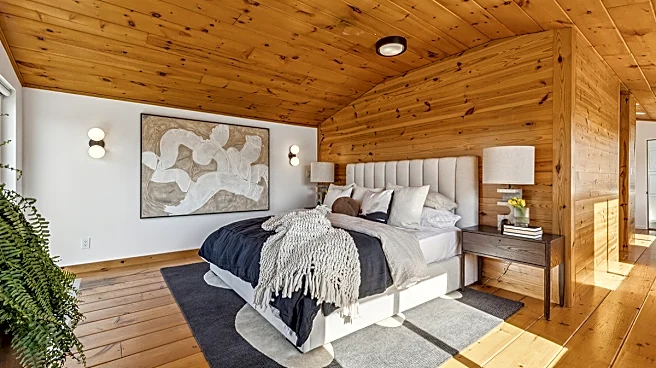
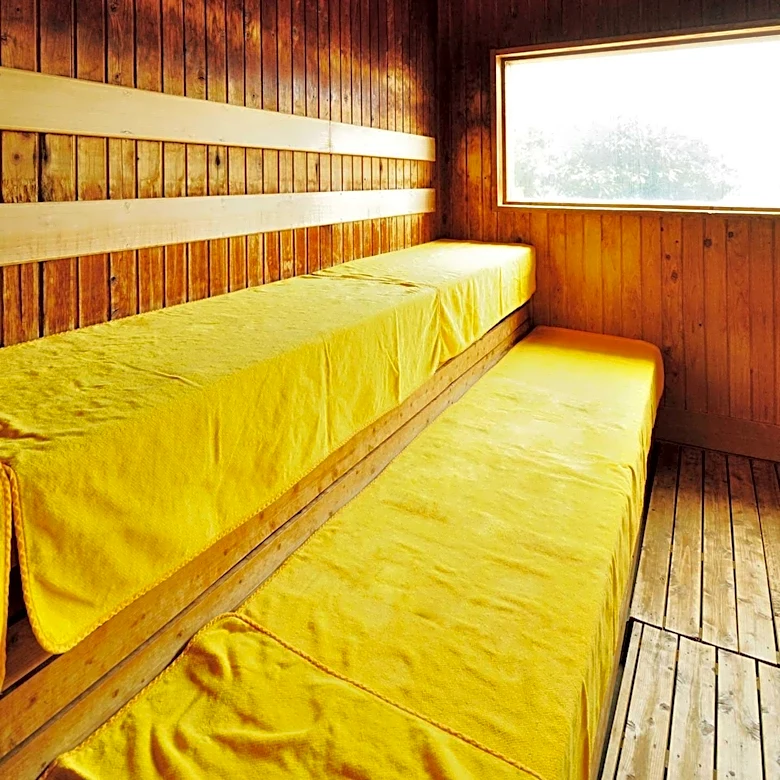
establishments, including Mister Jiu’s, Tartine, and several Sightglass Coffee locations, as well as residential and corporate offices. Their signature style, described as 'Japandi Norcali,' blends Japanese minimalism, Scandinavian coziness, and Northern California's rustic essence, characterized by abundant daylight, natural materials, and neutral color palettes. This aesthetic has become so pervasive that many clients, like the founders of Yardsale, seek out Studio BBA after experiencing their designs without initially knowing the firm's name. The firm's work is often recognized for its balanced, expensive feel, featuring wood beams, terra cotta or eggshell-tiled floors, blonde wood furniture, exposed brick, and lush houseplants. Studio BBA's projects often cater to a higher-end clientele, reflecting the high cost of building in San Francisco, with fees potentially reaching up to $1,000 per square foot.
Why It's Important?
Studio BBA's widespread influence on San Francisco's commercial and residential spaces highlights the significant impact a single design firm can have on a city's visual identity and cultural landscape. Their 'Japandi Norcali' aesthetic has not only defined the look of many popular local businesses but has also become synonymous with the modern San Francisco style. This trend underscores the growing demand for specific, curated design experiences in urban environments, where aesthetics play a crucial role in brand identity and customer attraction. The firm's increasing engagement with AI companies, which now constitute a significant portion of their commercial client roster, indicates a shift in the clientele driving design trends in the tech-heavy Bay Area. These AI founders, despite their wealth, often seek a specific, understated aesthetic, sometimes to avoid appearing 'too nice' or fully funded, reflecting a unique cultural nuance within the tech industry's startup ecosystem. This trend suggests that even in high-stakes business environments, design choices are carefully calculated to convey specific messages about a company's status and aspirations.
What's Next?
Studio BBA anticipates continued demand from the burgeoning AI sector, with at least six AI-related projects recently crossing Bridges' desk. These clients are typically seeking rapid project completion and specific locations, primarily in the Mission district, and are willing to invest significantly. The firm's principal designer, Bonnie Bridges, notes that many young AI founders are knowledgeable about luxury furniture but sometimes lack a deeper understanding of design principles, often requesting specific iconic pieces without fully grasping their contextual meaning. This presents an ongoing challenge and opportunity for Studio BBA to educate clients while delivering on their aesthetic preferences. The firm also observes a trend among AI startups to avoid overly opulent office designs, preferring a more understated look to signal a continued need for funding. This 'grindslop' aesthetic, as it's colloquially termed, suggests that future commercial designs in the tech industry may continue to prioritize functionality and a subtle, yet sophisticated, appearance over overt luxury.
Beyond the Headlines
The phenomenon of Studio BBA's pervasive design influence in San Francisco points to a broader cultural trend where specific aesthetic styles, once established, can become deeply embedded in a city's identity. The firm's 'Japandi Norcali' style, with its emphasis on natural materials, light, and comfort, reflects a desire for serene and human-centric spaces in an increasingly fast-paced and technology-driven world. The observation that AI founders, despite their access to significant capital, often opt for a less ostentatious design, or even a 'tasteslop' aesthetic, raises questions about the evolving perception of success and authenticity in the tech industry. This could indicate a shift away from overt displays of wealth towards a more subtle, perhaps even performative, modesty. Furthermore, the firm's ability to attract clients who have experienced their designs unknowingly highlights the power of environmental psychology and subconscious influence in architectural and interior design, where the feeling a space evokes can be more impactful than explicit branding.