






What's Happening?
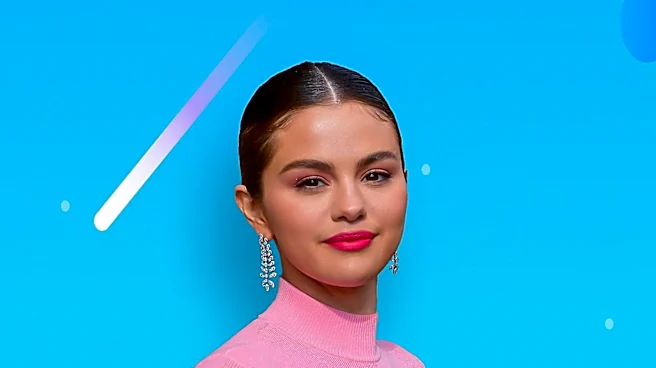
A doctored image has circulated on social media platform X, falsely claiming that American singer, actress, and producer Selena Gomez announced a pregnancy. The viral post, which tagged record producer and songwriter Benny Blanco, featured an image of
Gomez with a visible baby bump and the caption 'My bundle of joy.' However, this pregnancy announcement is false, and the image was created using AI, superimposing Gomez's face onto a photograph originally posted by model and social media personality Sofia Richie Grainge on March 11. Gomez has publicly stated in 2024 that medical conditions prevent her from carrying children, and she has expressed openness to adoption or surrogacy for future motherhood. The misleading post highlights the growing issue of AI-generated misinformation targeting public figures on social media platforms.
Why It's Important?
This incident underscores the increasing prevalence and sophistication of AI-generated misinformation, particularly concerning public figures. The rapid spread of such fabricated content can significantly impact individuals' privacy and public perception, forcing celebrities to address false narratives. For social media users, it necessitates a higher degree of skepticism and critical evaluation of viral content, emphasizing the importance of verifying information through reputable and official sources. The ease with which AI tools can manipulate images and create deceptive narratives poses a challenge to media literacy and trust in digital information. This trend can erode public confidence in online news and celebrity announcements, making it harder to distinguish truth from fabrication and potentially leading to emotional distress for those targeted by such hoaxes.
What's Next?
The continued proliferation of AI-generated misinformation is likely to prompt social media platforms to enhance their detection and moderation capabilities for synthetic media. Users will increasingly be encouraged to rely on verified accounts and primary sources to confirm celebrity news. Public figures like Selena Gomez may need to issue more frequent clarifications or utilize their official channels to preemptively debunk false claims. There could also be a push for greater transparency from AI tool developers regarding the ethical use of their technology. The incident may also fuel discussions about the legal and ethical responsibilities of platforms and individuals in preventing the spread of deepfake content, potentially leading to new policies or guidelines for digital content creation and sharing.
Beyond the Headlines
The incident reflects a broader societal challenge posed by the rise of synthetic media and deepfake misinformation, extending beyond celebrity news to potentially influence political discourse, public opinion, and even financial markets. The ability to convincingly fabricate images and videos blurs the lines between reality and fiction, raising profound ethical questions about authenticity and trust in the digital age. This development could lead to a 'post-truth' environment where verifiable facts are increasingly difficult to ascertain, impacting everything from personal relationships to national security. It also highlights the psychological toll on individuals, particularly public figures, who must contend with false narratives that can affect their personal lives and professional reputations. The incident serves as a stark reminder of the urgent need for advanced digital literacy and critical thinking skills in an increasingly AI-driven information landscape.