





What's Happening?
The development of advanced artificial intelligence (AI) systems and the emerging 'superintelligence economy' are placing significant and growing demands on physical infrastructure, particularly in California. This includes a substantial increase in the need
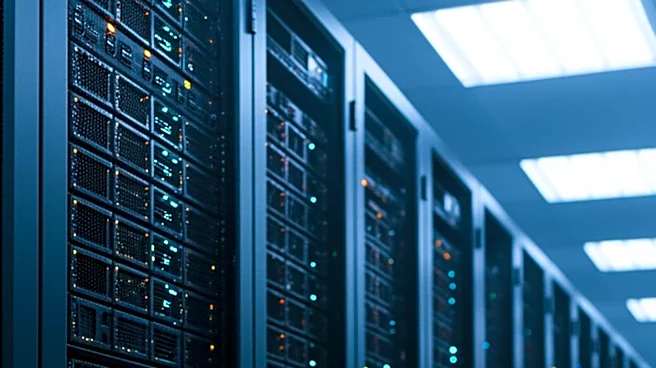
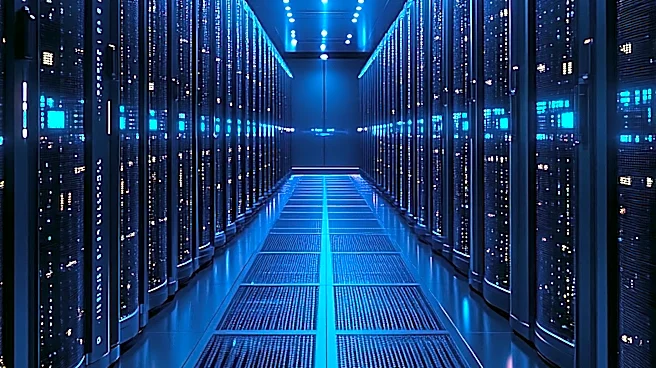
for electricity, water, land, telecommunications, specialized equipment, and long-term capital. For instance, the California Energy Commission projects that data center electricity demand in the state could rise from approximately 1,000 megawatts in early 2026 to about 4,500 megawatts by 2040. This surge necessitates careful planning from electric utilities, transmission operators, and developers to ensure adequate power supply. Beyond electricity, high-performance computing systems generate considerable heat, making water a critical resource for cooling. Different cooling methods have varying water footprints, and water availability is becoming a key factor in permitting, financing, and community relations for data center projects. The challenge lies in ensuring that the physical infrastructure can keep pace with the rapid technological advancements in AI and quantum computing.
Why It's Important?
The escalating demand for physical infrastructure to support AI and quantum computing has profound implications for U.S. industries and regional economies. Regions capable of delivering reliable power, sustainable water strategies, viable development sites, and financeable infrastructure will gain a competitive advantage in the evolving computing economy. This creates significant opportunities for industries such as energy development, industrial real estate, advanced manufacturing, telecommunications, and engineering. However, it also presents challenges, as the rapid growth in AI demand could lead to infrastructure bottlenecks, particularly concerning electricity grid capacity and water resources. The financial investment required for next-generation computing infrastructure is substantial, involving land acquisition, power upgrades, cooling systems, and specialized equipment, which necessitates complex financing structures and carries development risks. Overbuilding infrastructure in the wrong locations or under incorrect economic assumptions also poses a risk, highlighting the need for phased development and verified demand.
What's Next?
California's legislative actions, such as the September 2026 package introducing requirements for data center electricity and water disclosures, indicate a growing regulatory focus on the infrastructure demands of AI. These regulations could reshape how developers structure projects and create new opportunities for specialized infrastructure investors and energy developers. The state's evolving regulatory framework and its quantum research ecosystem underscore the need for serious attention to these issues. Future developments will likely involve increased coordination between energy development, industrial planning, research institutions, and private investment to capitalize on the economic opportunities presented by the superintelligence economy. Investors and developers will need to conduct more disciplined evaluations of projects, confirming electricity and water supplies, assessing realistic timelines for interconnection, and accounting for potential construction delays and infrastructure uncertainties.
Beyond the Headlines
The discussion around AI infrastructure extends beyond immediate technical and economic considerations to broader societal and environmental impacts. The significant increase in electricity and water consumption by data centers raises ethical questions about resource allocation and environmental sustainability, particularly in regions already facing resource scarcity. The 'superintelligence economy' could exacerbate existing inequalities if access to the necessary physical infrastructure becomes a limiting factor for innovation and economic growth in certain areas. Furthermore, the integration of quantum computing, which has distinct infrastructure requirements like cryogenic environments, suggests a future where computing infrastructure becomes even more specialized and complex. This necessitates a long-term vision that balances technological advancement with responsible resource management and equitable development, ensuring that the pursuit of superintelligence does not inadvertently create new environmental or social challenges.