
What's Happening?
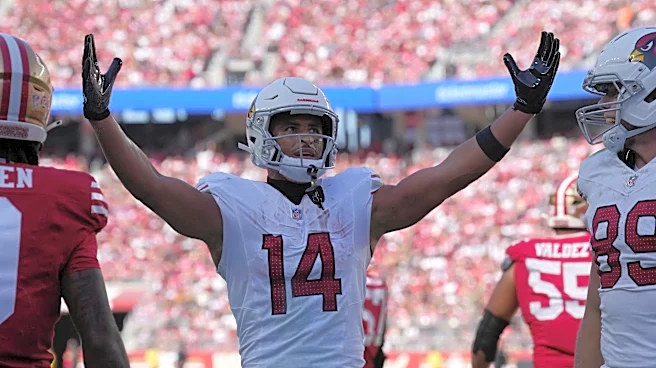
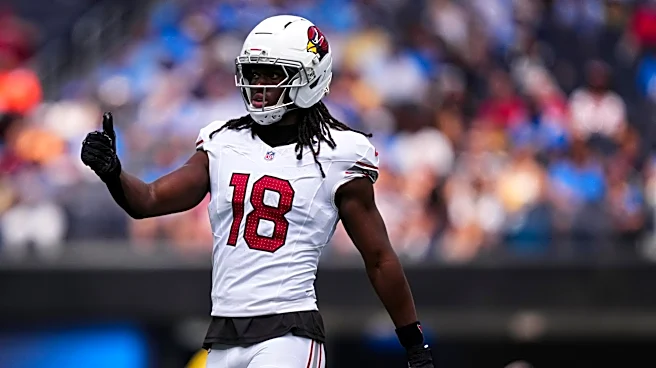
The Arizona Cardinals are reportedly not considering trading wide receiver Marvin Harrison Jr., despite speculation from other NFL teams. According to ESPN’s Dan Graziano, the Cardinals have given no indication
of being interested in moving Harrison. This comes amidst perceptions from around the league that Harrison is not a good fit in an Arizona offense that heavily prioritizes tight end Trey McBride as its primary target. Harrison, a former first-round pick and the No. 4 overall selection in the 2024 NFL Draft, has had a challenging start to his professional career with the Cardinals. While quarterback and coaching issues have been cited as contributing factors, Harrison has struggled with consistency and effectiveness, including difficulties holding onto the ball. Despite these struggles, the Cardinals appear committed to retaining him, at least for the immediate future.
Why It's Important?
This situation highlights the complexities of player development and team strategy in the NFL, particularly for high-draft-pick rookies. For the Arizona Cardinals, retaining Marvin Harrison Jr. signifies a continued investment in a player who was once considered one of the most hyped wide receiver prospects. Their decision not to trade him, even for a potential third-round pick, suggests they believe in his long-term potential and are willing to work through his early career struggles. This commitment could either pay off with Harrison developing into a star, or it could be seen as a missed opportunity to acquire additional draft capital if his performance does not improve. For other NFL teams, particularly those like the Las Vegas Raiders who were reportedly interested, the Cardinals' stance means they will need to look elsewhere to address their wide receiver needs, impacting their roster construction and strategic planning for the current season and beyond. The focus on Trey McBride in the Cardinals' offense also underscores a shift in offensive philosophy, potentially limiting Harrison's immediate impact.
What's Next?
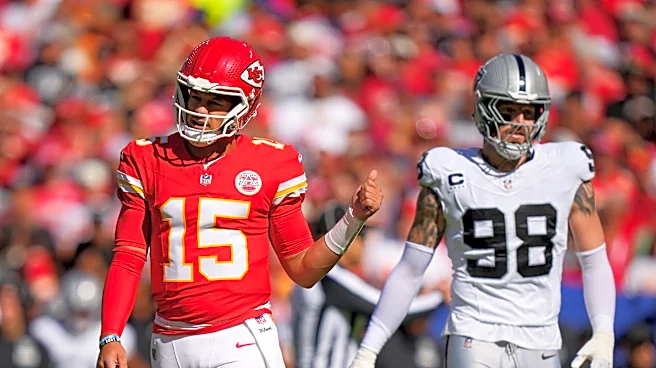
The immediate future for Marvin Harrison Jr. will involve continued efforts to integrate him more effectively into the Arizona Cardinals' offense. If Harrison remains an 'afterthought' in the offense over the next month, as suggested by ESPN’s Dan Graziano, interest from other teams could intensify, potentially testing the Cardinals' resolve not to trade him. However, for now, the Cardinals seem intent on developing him within their current system. Harrison will need to demonstrate improved performance, particularly in ball security and overall effectiveness, to justify the team's continued investment and quell trade rumors. For teams like the Raiders, who are looking for a consistent threat at wide receiver, they will likely explore other options, possibly waiting until the offseason to address their needs through free agency or the draft, unless a more viable trade target emerges.
Beyond the Headlines
The narrative surrounding Marvin Harrison Jr. extends beyond his on-field performance, touching upon the immense pressure placed on high-draft-pick athletes and the often-unrealistic expectations set for them. His struggles, despite a stellar college career at Ohio State, underscore that collegiate success does not always translate seamlessly to the professional level, especially when factoring in team dynamics, coaching changes, and quarterback play. The perception that he 'isn't a fit' in the Cardinals' offense also highlights the strategic challenges NFL teams face in maximizing the talent of individual players within a cohesive system. This situation could serve as a case study for future draft evaluations, emphasizing the importance of scheme fit and organizational stability alongside raw talent. Furthermore, the ongoing trade rumors, even if unfounded, can create an environment of uncertainty for a young player, potentially impacting their confidence and development. The Cardinals' decision to stick with Harrison, for now, reflects a long-term view that prioritizes player development over short-term gains from a trade.