



What's Happening?
Experts are cautioning that repetitive facial stretching and high-intensity facial exercises may deepen expression lines rather than prevent them. While gentle movement can support circulation, aggressive stretching risks creating permanent creases and over-extending
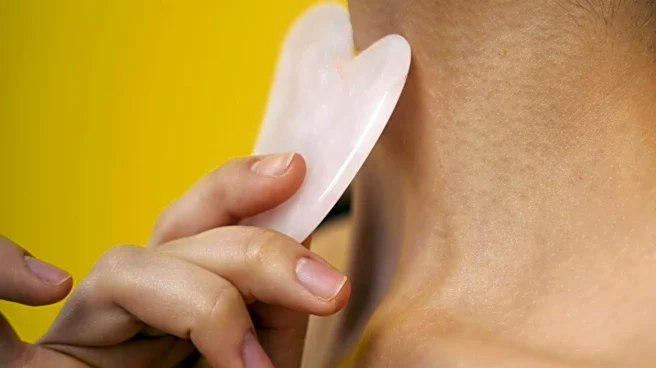
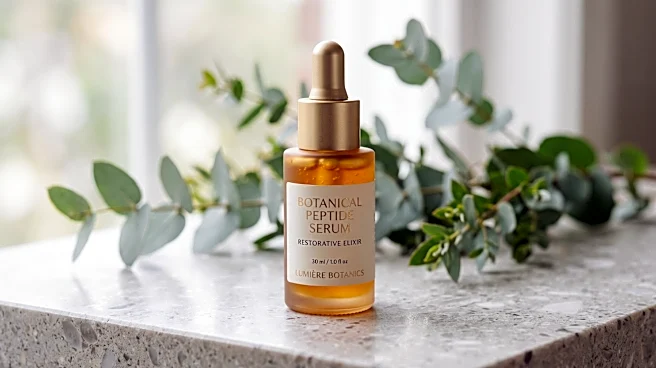
skin fibers. The skin's delicate structure, with many facial muscles attached directly to the skin, means that repeated contractions pull the skin, leading to wrinkles as collagen and elastin diminish with age. Dermatologists compare facial skin to silk, noting that repeated folding in the same place will eventually create a permanent crease. Instead of stretching, professional massage techniques, barrier-respecting hydration, and targeted botanical peptides are recommended for maintaining a youthful appearance.
Why It's Important?
This information is crucial for consumers navigating the beauty and anti-aging market, as it challenges a popular trend of 'facial fitness' or 'face yoga.' Misinformation or aggressive practices in skincare can lead to unintended negative consequences, such as premature aging or skin damage, rather than the desired benefits. For the beauty industry, this highlights the importance of promoting scientifically sound practices and products that genuinely support skin health and appearance. It also underscores the need for consumers to be discerning about beauty trends and to prioritize gentle, evidence-based approaches to skincare. Understanding the mechanics of skin aging and the impact of various techniques can help individuals make informed decisions, potentially saving them from ineffective or harmful practices and guiding them towards more beneficial skincare routines.
What's Next?
Consumers are advised to prioritize gentle facial massage, proper hydration, and skincare products containing ingredients like botanical peptides and hyaluronic acid over aggressive facial stretching. The beauty industry may see a shift towards promoting professional massage techniques and phyto-aromatic care, emphasizing cellular support and skin resilience. Educational efforts will likely focus on distinguishing between beneficial massage and potentially harmful stretching. Individuals should also be mindful of daily habits that can stretch the skin, such as aggressive makeup removal, contact lens insertion, side sleeping, and 'tech neck,' and adopt gentler practices to mitigate these effects. Professional facial treatments that use specific lifting techniques without compromising the skin's surface are also recommended.
Beyond the Headlines
The debate around facial stretching and wrinkles touches upon broader themes of beauty standards, consumer vulnerability to trends, and the scientific literacy required to navigate health and wellness claims. In an era of pervasive social media and influencer culture, unverified beauty hacks can gain significant traction, potentially leading to widespread adoption of ineffective or damaging practices. This situation underscores the ethical responsibility of beauty brands and content creators to provide accurate, evidence-based information. It also highlights the importance of critical thinking for consumers, encouraging them to seek advice from qualified professionals and to understand the underlying science of skincare rather than blindly following trends. The emphasis on gentle care and long-term skin health reflects a more sustainable and holistic approach to beauty, moving away from quick fixes that may cause harm.