





What's Happening?
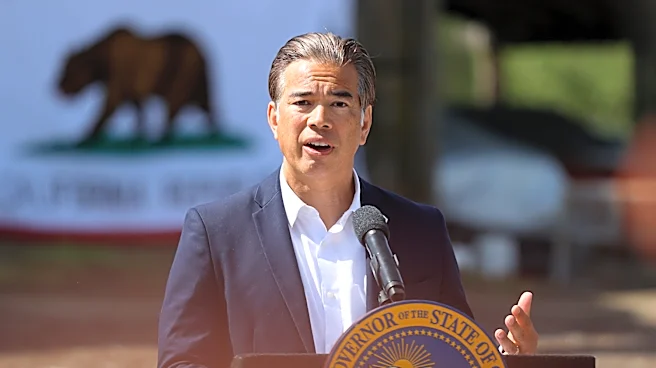
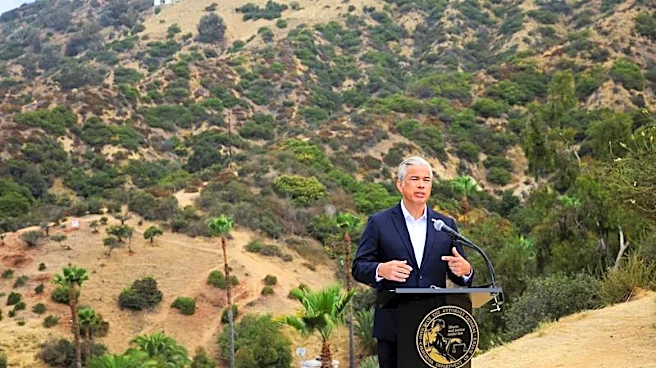
California Attorney General Rob Bonta has ceased preliminary settlement discussions regarding the proposed merger between Paramount and Warner Bros. Discovery (WBD) and intends to file a lawsuit to block the deal. This development comes despite the merger having
received approval from global regulators, including the Antitrust Division of the U.S. Department of Justice. Paramount had previously agreed to postpone the tie-up until June 2027, extending the planned closing by approximately nine months, to address an antitrust challenge initiated by a group of state attorneys general. The New York Times initially reported that settlement talks were underway, but these have since been called off. Paramount has attempted to mitigate concerns by offering assurances to Hollywood exhibitors and considering relocating its studio operations outside of California.
Why It's Important?
The antitrust challenge against the Paramount-WBD merger by state attorneys general, particularly California's Rob Bonta, signals a significant shift in the regulatory landscape for media mergers and acquisitions in the U.S. This increased scrutiny by state regulators could deter other large-scale media deals, creating a 'chill' in the industry. Media companies, which have been actively pursuing mergers to cut costs and gain scale amid declining pay TV subscriptions, may now face prolonged legal battles and heightened regulatory hurdles. The outcome of this case could influence the viability of future consolidations, such as the proposed Fox-Roku acquisition, which, despite having fewer antitrust concerns, is now being viewed with 'regulatory timing risk.' This environment may push media companies towards partnerships and content bundles rather than outright mergers, as seen with NBCUniversal's Peacock deal with YouTube.
What's Next?
The immediate next step is the anticipated lawsuit from California Attorney General Rob Bonta to block the Paramount-WBD merger. This will likely lead to a protracted legal battle, with a trial expected to determine the fate of the acquisition. The delay in the Paramount-WBD deal's resolution is expected to impact other potential media mergers, as companies like Comcast and NBCUniversal become more hesitant to engage in near-term dealmaking due to the increased regulatory pressure. The industry may see a continued focus on partnerships and content bundling as an alternative to large-scale M&A. For instance, NBCUniversal is reportedly exploring various bundles and content collaborations, similar to its YouTube deal, and focusing on intellectual property and content creators to bolster its platforms.
Beyond the Headlines
This antitrust challenge highlights a broader trend of increased regulatory intervention in major corporate consolidations, particularly from state-level authorities. The shift from a perceived 'welcoming' regulatory environment during President Trump's second term to one of heightened scrutiny by states suggests a more complex and unpredictable path for large mergers. This could lead to a re-evaluation of M&A strategies across various industries, not just media, as companies contend with the possibility of state attorneys general taking up the 'regulatory baton' even after federal approvals. The case also underscores the growing power of state-level legal actions to influence national business landscapes and potentially reshape market structures, encouraging companies to consider the socio-political implications of their deals beyond just economic benefits.