




What's Happening?
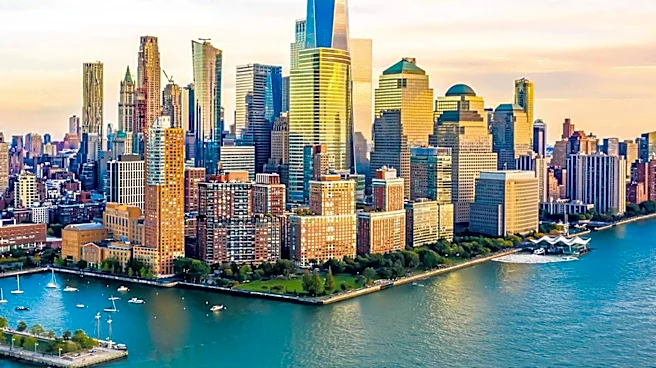
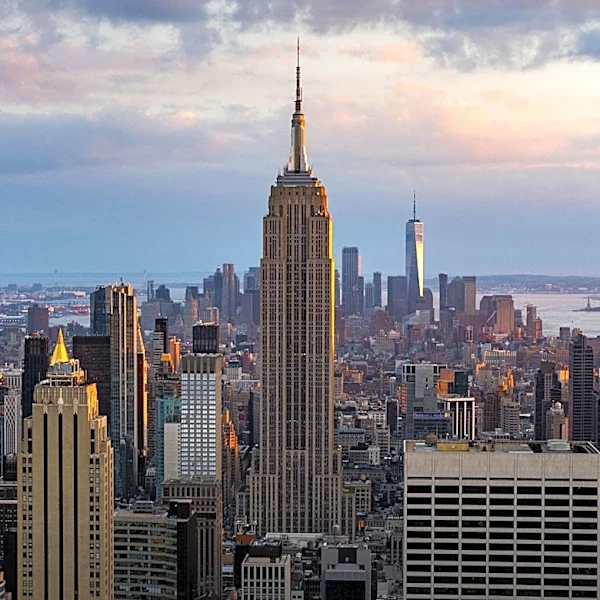
New York City is projected to lead global business traveler expenditures in 2024, with an estimated US$21.2 billion. This figure is part of a larger trend where business travel is significantly contributing to the economies of major global cities. According
to a new report by the Global Business Travel Association (GBTA) titled “Global Cities Business Travel Economic Impact,” business travelers are expected to contribute an astonishing $283 billion to the global economy in 2024. The report highlights the importance of business travel investment in 25 of the most influential cities worldwide. Seven prominent economic hubs, including New York City, each recorded business traveler expenditures exceeding US$10 billion, collectively representing 61 percent of the total. Other top cities include Tokyo (US$20.7 billion), London (US$15 billion), Shanghai (US$14.2 billion), Paris (US$13.6 billion), Los Angeles (US$12.2 billion), and Chicago (US$11.6 billion). The report also noted that for these 25 cities, business travelers spent a total of US$178 billion, which generated a US$93 billion contribution to GDP, US$55 billion in tax revenue, and supported approximately 1.4 million jobs.
Why It's Important?
The significant expenditure by business travelers underscores their crucial role in sustaining urban economies across the U.S. and globally. For cities like New York, Los Angeles, and Chicago, these billions in spending translate directly into job creation, increased tax revenues, and a boost to local GDP. This economic activity supports a wide array of sectors, including hospitality, transportation, retail, and dining, which are vital components of urban employment and infrastructure. The report's findings highlight the resilience and importance of business travel, especially as cities continue to recover and adapt to evolving economic landscapes. The substantial financial contributions from business travel provide a stable economic base, fostering growth and development in these major metropolitan areas. Understanding these trends is critical for urban planners, policymakers, and businesses to strategize for future economic development and to ensure that cities remain attractive destinations for corporate activities and events.
What's Next?
The continued dominance of U.S. cities like New York, Los Angeles, and Chicago in business travel spending suggests a sustained focus on enhancing infrastructure and services to cater to this lucrative segment. Cities will likely continue to invest in convention centers, business-friendly accommodations, and efficient transportation networks to maintain their competitive edge. Policymakers may also explore incentives or programs to further attract business events and corporate travel, recognizing the substantial economic benefits. Businesses within these cities, particularly those in the service industry, will need to adapt their offerings to meet the specific demands of business travelers, ensuring high-quality experiences that encourage repeat visits and increased spending. The GBTA report serves as a benchmark for cities to assess their performance and identify areas for growth in the global business travel market.
Beyond the Headlines
Beyond the immediate economic impact, the robust business travel sector in major U.S. cities reflects deeper trends in global commerce and connectivity. These cities serve as critical nodes for international business, fostering innovation, collaboration, and the exchange of ideas. The concentration of business travel in these hubs can also lead to a 'network effect,' where the presence of numerous businesses and professionals attracts even more activity, creating self-reinforcing economic ecosystems. However, this reliance on business travel also presents challenges, such as the need for sustainable urban development to accommodate increased traffic and resource consumption. Furthermore, the report implicitly highlights the importance of global stability and open international relations, as business travel is highly sensitive to geopolitical events and travel restrictions. The continued success of these cities in attracting business travelers is a testament to their global standing and their ability to adapt to the evolving demands of the international business community.