



What's Happening?
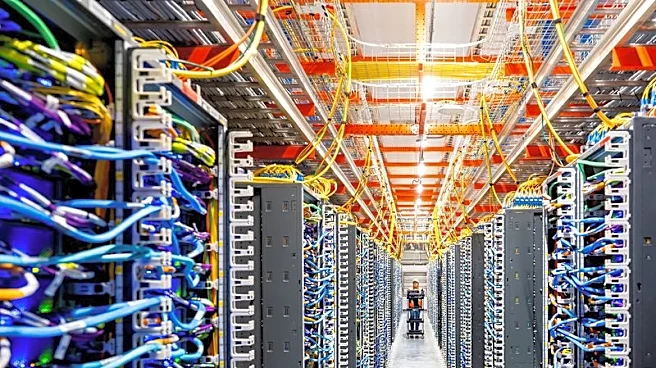
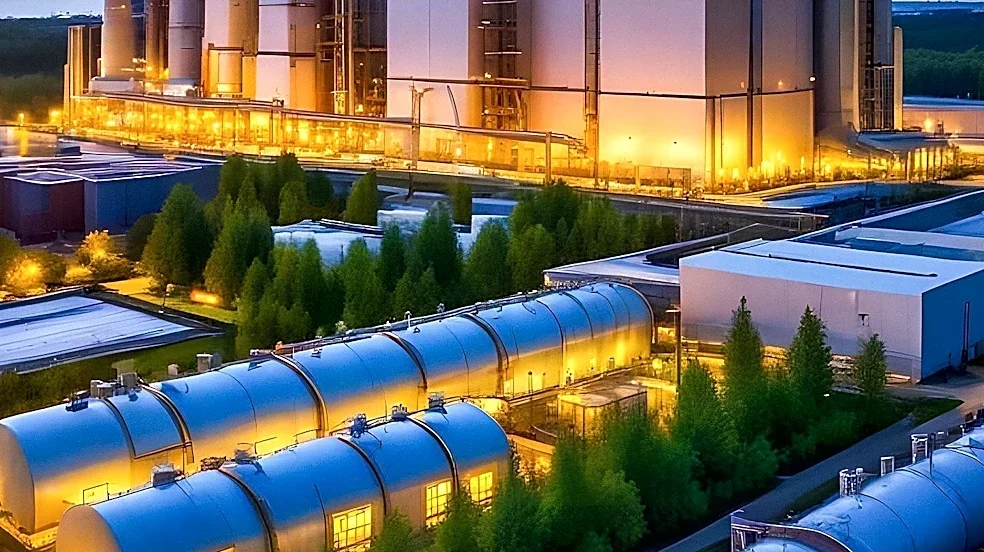
The rapid expansion of data centers, driven by artificial intelligence, is creating significant new opportunities for hydropower. Data center operators are increasingly seeking direct access to renewable electricity, leading them to purchase hydropower plants
and explore joint energy developments. The International Energy Agency projects global data center electricity consumption to nearly double from 485 TWh in 2025 to 950 TWh in 2030. Hydropower is well-positioned to meet this demand by providing both renewable generation and the flexibility needed to integrate variable sources like wind and solar. Examples include Italian cloud operator Aruba acquiring hydropower plants for direct electricity supply and Lesotho's proposed Kobong project, which integrates pumped storage, solar generation, and an AI data center platform. East African nations like Ethiopia and Uganda are also leveraging their hydropower resources to attract digital investment.
Why It's Important?
This emerging synergy between data centers and hydropower is crucial for both sectors. For hydropower, it provides a new, significant source of investment and demand, potentially revitalizing existing assets and spurring the development of new projects. This can help secure the financial viability of hydropower, which is essential for grid stability and renewable energy integration. For data centers, securing direct access to reliable, renewable power is critical for meeting their growing energy needs and achieving sustainability goals. This trend can accelerate the decarbonization of the digital infrastructure sector, which has a substantial carbon footprint. For the U.S., this could mean increased investment in hydropower infrastructure, job creation, and a more resilient, cleaner energy grid, especially in regions with significant hydropower potential.
What's Next?
We can expect to see more partnerships and direct investments between data center operators and hydropower developers. This will likely involve long-term power purchase agreements, direct ownership of hydropower assets by tech companies, and integrated infrastructure projects that co-locate data centers with new generation and storage facilities. The focus will be on establishing commercial arrangements that provide reliable power for data centers while ensuring benefits for the wider electricity system. Developers will need to secure firm commitments and contracts to de-risk these projects and attract financing. Governments will also need to consider the broader planning implications, balancing the energy demands of digital infrastructure with those of households and existing industries, particularly in developing economies.
Beyond the Headlines
The convergence of the data center boom and hydropower highlights a deeper shift in how energy infrastructure is developed and financed. It underscores the increasing importance of reliable, dispatchable renewable energy sources in a world driven by digital demand. Ethically, this trend raises questions about equitable access to energy, especially in regions where electricity supply is already constrained. Ensuring that large industrial consumers do not monopolize renewable resources at the expense of local communities will be a key challenge. Legally, new contractual frameworks and regulatory policies may be needed to facilitate these complex integrated projects. Culturally, it signifies a growing recognition that digital advancement must be coupled with sustainable energy solutions, pushing the tech industry to take a more active role in energy production and management.