



What's Happening?
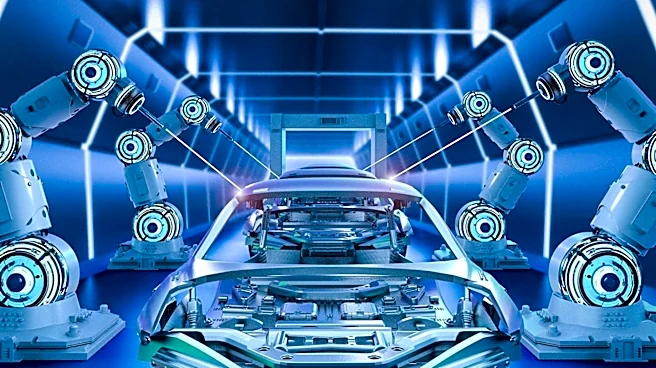
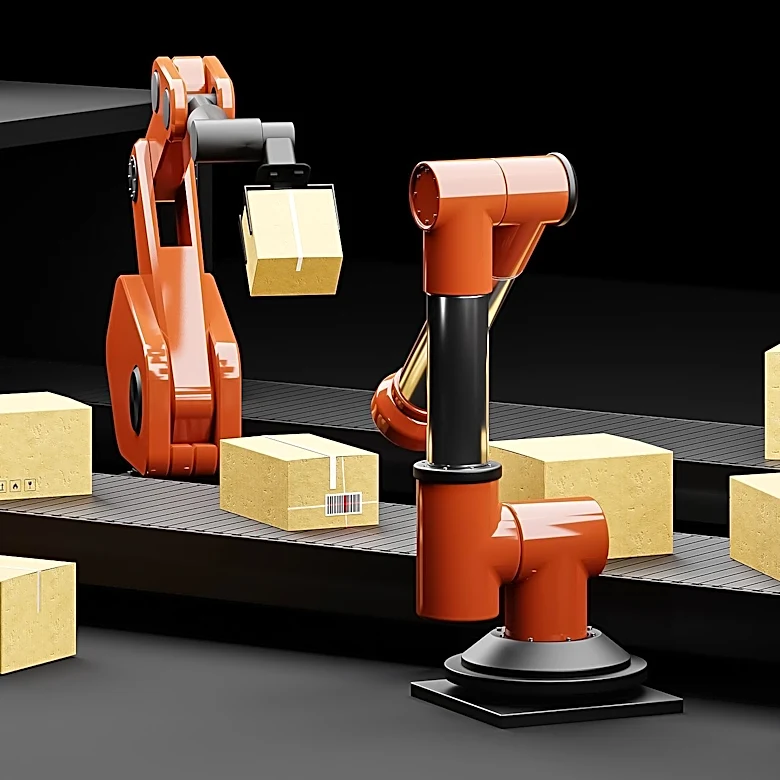
The 2026 World Intelligent Manufacturing Conference recently convened in Nanjing, China, under the theme 'VIGOROUSLY DEVELOP NEW-GENERATION INTELLIGENT MANUFACTURING, CONTINUOUSLY STRENGTHEN ADVANCED MANUFACTURING.' The event featured a main forum, an exhibition
with over 600 participating companies, and more than 30 industry-related activities. A key highlight was the collective appearance of 34 leaders from leading intelligent factories, including ZTE (Nanjing), Xiaomi Auto, and Tasly Pharmaceutical, who launched the 'Leading AI Factory Cultivation Initiative.' Additionally, the Intelligent Manufacturing Standardization Technical Committee of the MIIT and the Chinese Expert Committee on IEC Intelligent Manufacturing Standardization were officially inaugurated, with the aim of advancing both domestic and international intelligent manufacturing standards. The conference also saw three major releases: the 2026 Annual Research Outcomes of the National Expert Committee on Intelligent Manufacturing, the Global and Chinese Top Ten Scientific and Technological Advances in Intelligent Manufacturing for 2026, and the launch of the Global Platform for Intelligent Manufacturing Assessment and Services.
Why It's Important?
This conference signifies a concerted global effort, particularly from China, to lead in intelligent manufacturing. For the U.S., this development is important as it underscores the intensifying international competition in advanced industrial technologies. The establishment of new standardization committees and the focus on 'Leading AI Factory Cultivation' indicate a strategic push to define future manufacturing norms and practices. U.S. industries and policymakers will need to monitor these developments closely to ensure that American manufacturing remains competitive and that U.S. standards and innovations are adequately represented on the global stage. The showcased advancements and initiatives could also inspire U.S. companies to accelerate their own adoption of AI and smart manufacturing solutions to maintain technological parity and market leadership.
What's Next?
The newly launched initiatives, particularly those focused on standardization, are expected to drive the development and adoption of intelligent manufacturing practices. The 'Leading AI Factory Cultivation Initiative' will likely foster further innovation and implementation of AI in manufacturing across participating companies. The Global Platform for Intelligent Manufacturing Assessment and Services suggests a future where manufacturing capabilities are benchmarked and improved against international standards. For the U.S., this means a continued need for investment in R&D, workforce training, and strategic partnerships to keep pace with global advancements. The outcomes of these standardization efforts could influence future trade agreements and technological collaborations.
Beyond the Headlines
Beyond the immediate technological and economic implications, the conference highlights a broader geopolitical dimension. China's proactive stance in intelligent manufacturing and standardization reflects a strategic ambition to shape the future of global industry. This could lead to a divergence in technological ecosystems and standards between different global powers, potentially creating challenges for interoperability and global supply chains. For the U.S., this necessitates a robust national strategy for advanced manufacturing that not only focuses on innovation but also on establishing and promoting international standards that align with U.S. interests and values. The 'Talent Zone' introduced at the expo also points to the critical role of human capital in this transformation, emphasizing the need for continuous education and skill development to support the intelligent manufacturing workforce.